
Lieferung heute & morgen

Qualitätsgarantie

Willkommens-Angebote freischalten: KOSTENLOSE Lieferung | Bis zu 80 % RABATT | Kostenlose 30-Tage-JoyPlus-Testphase
App herunterladen
Facial pads bring together toner, essence and application in one handy format. Depending on the formula, they can be used as toner pads, hydrating pads, facial cleansing pads or gentle exfoliating facial pads. The choice can be overwhelming: a high price per pad, eye-catching ingredient names or a heavily textured surface alone say little about whether a product suits your skincare.
AHA, BHA, PHA, niacinamide, hyaluronic acid and Centella asiatica each fulfil different functions within a formulation. Simply naming an ingredient doesn’t guarantee a specific result. What matters are the full ingredient list, the concentration, the pH and the usage directions.
With AHA/BHA/PHA pads you should also note: acids can be more demanding on the skin than purely hydrating pads. Daily use isn’t suitable for every skin condition.
An embossed side can be intended for gently lifting away flakes, while the smooth side helps distribute the essence or can be used briefly as a leave-on compress. If your skin is sensitive, flushed or dry, too much friction can feel uncomfortable. For cleansing and make-up removal, soft facial cotton pads are often more suitable than heavily textured toner pads.
Facial pads consist of a carrier material soaked in liquid. A poorly sealing lid, heat or direct sun can cause the essence to evaporate more quickly. Look for a tightly sealing closure and store the tub in a dry place out of direct sunlight. You should note the opening date and follow the manufacturer’s guidance on shelf life after opening.
For classic facial cleansing pads and cotton pads, material, weave and size are practical selection criteria. 100 % cotton is stated for several products in this selection. Microfibre or sponge-like structures can absorb and release liquid without a pad needing to be thick.
Look out for:
For example, the MUJI option contains 180 pads made from 100 % cotton. According to the product description, the Unicharm Silcot Uruuru Sponge Facial Cotton Pads are also 100 % cotton and can be split into two thinner layers.
For dry skin, hydrating pads with glycerin, panthenol or hyaluronic acid are the obvious choice. If your skin is sensitive or prone to redness, soothing facial pads with Centella, allantoin or panthenol may fit better into a pared-back routine. However, these ingredients are no guarantee of individual tolerance.
For dull or uneven-looking skin, niacinamide, rice water or various plant extracts are often used. For blemish-prone skin or skin prone to clogged pores, salicylic acid, betaine salicylate, AHA or PHA are sometimes used. Such acne pads should be introduced slowly and not automatically combined with other exfoliants.
After cleansing, gently sweep a soaked pad over the face. Avoid the eye and lip area unless the packaging states otherwise. With a dual-sided pad, the textured side is often used first and the smooth side afterwards.
Avoid starting several highly active products at the same time. Especially with exfoliating facial pads containing acids, a cautious rhythm is sensible. If you experience irritation, burning, swelling or persistent redness, discontinue use. The instructions on the individual packaging are decisive; formulas can change.
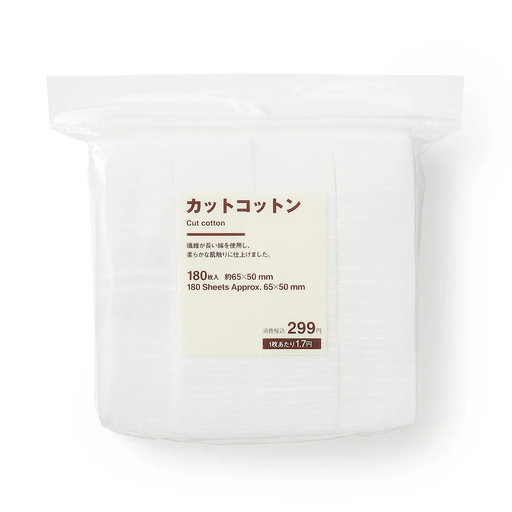
Why this product fits the profile: The pack of 180 is ideal for anyone starting out with classic facial cotton pads for toner, lotion, cleansing or make-up removal.
The 100 % cotton material claim and the resealable packaging make key buying criteria easy to verify.
180 pieces, 100 % cotton and versatile use with toner or cleansing products.
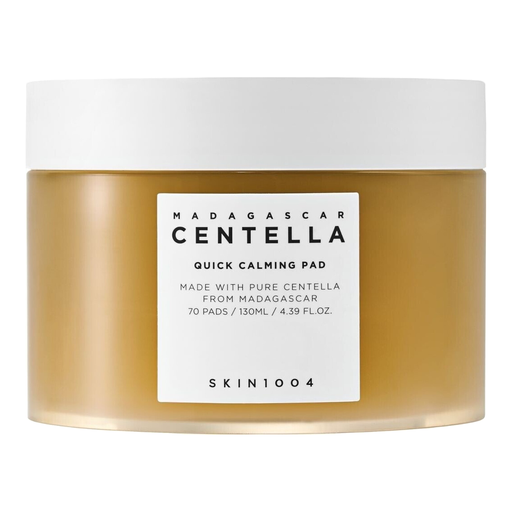
Why this product fits the profile: These pre-soaked pads combine a soft, lint-free texture with Centella asiatica, hyaluronic acid, glycerin and panthenol for a hydration-focused routine.
The formula is clearly focused on hydration and soothing rather than combining multiple strong exfoliating acids.
70 pre-soaked pads, triple-layer material, plus Centella and hyaluronic acid listed in the product description.
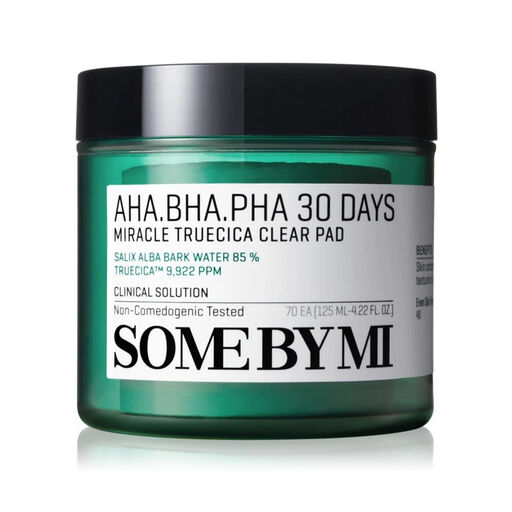
Why this product fits the profile: The combination of a textured and a smooth side, plus AHA, BHA and PHA, is aimed at those who want to combine cleansing, exfoliation and care in one step.
The routine separates wiping with the embossed side from gentler distribution with the smooth side. The acids still call for restrained use.
70 pads, betaine salicylate 0,5 % according to the stated INCI list, plus a Truecica complex with Centella and tea tree components.
We’ve compiled a complete, continuously updated list of products that fully meet these strict selection criteria and the safety regulations in force in the EU.
Products such as Anua Heartleaf 77% Clear Pad, ABIB Heartleaf Spot Pad or Medicube Zero Pore Pad Mild may be of interest for targeted areas depending on the formula. However, always check the current INCI list on the packaging before purchasing. Details in the online shop can differ due to batch or formula changes.
Purely hydrating pads or cotton pads are usually easier to incorporate into a daily routine. With AHA/BHA/PHA pads, BHA-based acne pads or other exfoliating facial pads, you should start with a lower frequency and observe your skin’s response. The manufacturer’s specific recommendation takes precedence.
That depends on the product. Some specify, for example, use within six months of opening; for other products, the period after opening is stated on the packaging. Close the tub straight after taking a pad and stop using pads if the smell, colour, texture or moisture level have clearly changed.
There’s no blanket answer. Soothing facial pads with panthenol, allantoin or Centella can be a less active alternative to acid pads. Even so, before first full-face use you should perform a patch test on a small area of skin. If irritation occurs, stop using and seek medical advice if symptoms persist.