If Fairtrade matters to you when choosing chocolate for your mid-morning break, look for the Fairtrade mark on the specific pack and, if there’s an arrow beside it, read the additional information. Another cocoa or sustainability programme is no substitute for this evidence. For your break, you’ll also want to consider the portion size and nutritional information.
Who is this selection for?
Buyers with a clear Fairtrade requirement
You want to choose chocolate for your mid-morning break with a verifiable Fairtrade connection. Fairtrade Germany advises looking for the mark on the product; the consumer advice centre recommends checking the additional pack information if there’s an arrow beside it.
Brand-loyal buyers who care about sustainability
You like choosing a familiar brand, but want to understand its cocoa sourcing claims correctly. Programmes such as Cocoa Life or Rainforest Alliance certification don’t automatically mean that the variety you’ve chosen carries the Fairtrade mark.
Buyers who like to plan their portions
You’re looking for something sweet for a short break and want to decide on the amount in advance. Pack size, individual portions and nutritional information per 100 g and for your planned portion are more helpful than the brand name alone.
What should you look for when buying?
First, check whether the specific chocolate meets your Fairtrade requirement. Then compare the portion and recipe for your mid-morning break. A brand programme is separate information, not a substitute for the mark.
| Criterion |
What to check |
Who it matters to |
| Fairtrade evidence |
Look for the Fairtrade mark on the pack you’ve chosen. If there’s an arrow beside it, read the related information about ingredients or mass balance. |
If Fairtrade is my deciding factor, I want to know what the mark applies to on this particular chocolate. For around 42% of consumers, this verifiable connection comes first. |
| Portion and nutrition |
Compare pack size and individual portions. Read the nutritional information per 100 g and relate it to the portion you plan to eat. |
For a short break, I want to decide on the amount beforehand rather than eat a whole bar without thinking. Around 33% of consumers prioritise being able to plan their portion when choosing. |
| Flavour and format |
Check the variety, ingredients and pack format, as well as allergen information if needed. Don’t assume that a brand’s cocoa sourcing claims apply to all its varieties. |
If a particular flavour or handy format matters to me, I look for it among the varieties that meet my Fairtrade requirement. Around 25% of consumers put this personal product preference first. |
Common buying misconceptions
-
Assuming every sustainability programme means Fairtrade
Ritter Sport describes its cocoa as Rainforest Alliance certified, Mondelēz International runs the Cocoa Life programme, and Schogetten also refers to Rainforest Alliance. None of this proves that a particular bar or slab of chocolate has Fairtrade status.
If Fairtrade is important to you, look for the relevant mark on the variety you’ve chosen rather than assuming a brand-wide programme applies to the entire range.
-
Overlooking the arrow beside the Fairtrade mark
According to the consumer advice centre, the arrow points to additional information, for example on composite products. Without checking this information, it’s difficult to understand how the mark relates to the recipe.
Read the explanation on the pack alongside the ingredients list before comparing two chocolates by their marks.
-
Packing a bar for your break without planning a portion
If you only want a small sweet treat, it can be easy to lose track of how much you intended to eat when you have a larger pack. The German Nutrition Society also describes sweets as generally low in nutrients.
Decide on your portion in advance. If you need a filling snack, don’t choose it based on the chocolate alone.
Brands to help you choose
The following brands make different claims about Fairtrade and cocoa sourcing. If Fairtrade is a requirement, the label on the individual variety is what matters.
REWE Beste Wahl / REWE
A useful option for buyers looking for chocolate explicitly labelled Fairtrade within a supermarket own-brand range.
- REWE lists Fairtrade chocolate as a product category. In 2022, REWE product tests described certain REWE Beste Wahl chocolates as Fairtrade certified.
- This doesn’t tell you whether every REWE variety you choose today carries the mark. Check the specific pack.
Ritter Sport
For buyers who want to understand the cocoa sourcing claims of a familiar chocolate bar brand.
- Ritter Sport describes its cocoa sourcing as Rainforest Alliance certified and segregated.
- This manufacturer’s claim isn’t evidence of Fairtrade status for a particular Ritter Sport variety.
Milka
For buyers who want to distinguish between a familiar brand and the specific Fairtrade mark they’re looking for.
- Mondelēz International describes Cocoa Life as its own cocoa-growing programme.
- Cocoa Life doesn’t automatically mean that the Milka chocolate you’ve chosen is Fairtrade certified.
Schogetten
For buyers who like the individual portions and want to check which cocoa mark applies.
- Schogetten says it has used Rainforest Alliance certified cocoa since 1 July 2026.
- According to the consumer advice centre, Rainforest Alliance isn’t the same as Fairtrade. Check the label on the pack you’ve chosen.
Lindt
For buyers who want to distinguish responsible cocoa sourcing claims from a Fairtrade mark.
- Lindt describes the Lindt & Sprüngli Farming Program and other standards for its cocoa sourcing.
- This doesn’t mean the whole range, or an individual variety without the relevant mark, has Fairtrade status.
Chocolate for your mid-morning break at Joybuy
These chocolates could suit a planned sweet break: one comes in bar format, while the other is a larger slab. If Fairtrade is a buying requirement for you, check the mark and, where relevant, the additional information on each specific pack before choosing.
 No image available
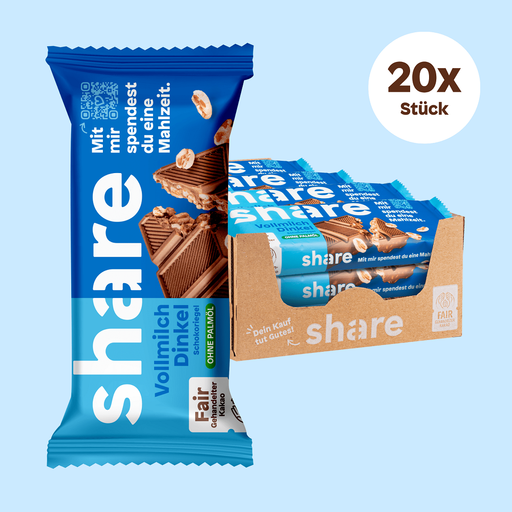
Share Organic milk chocolate with puffed spelt, 20 × 45 g
The bar format works well if you want to plan a 45 g portion for your mid-morning break. Check the specific pack to see whether the bars are individually wrapped, and to confirm the Fairtrade mark, ingredients and allergen information.
View at Joybuy
 No image available
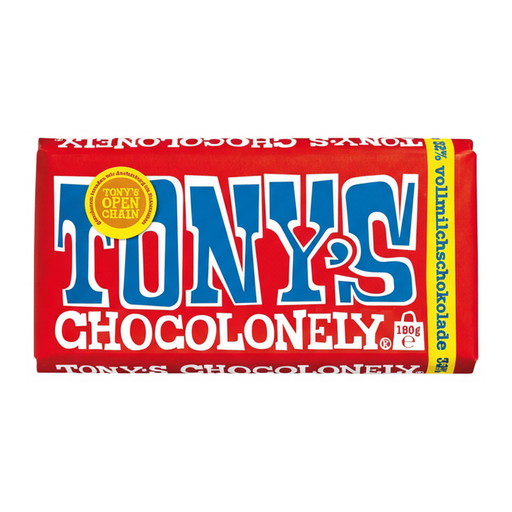
Tony's Chocolonely milk chocolate, 180 g
With this 180 g bar, decide how much to have for a short break rather than treating the whole pack as one portion. Check the nutritional information, and look for the Fairtrade mark and, if there’s an arrow, its explanation on the specific pack.
View at Joybuy
Frequently asked questions
How can I tell whether chocolate is Fairtrade?
Look for the Fairtrade mark on the specific pack. Fairtrade Germany explains how the mark relates to Fairtrade standards for the ingredients. If there’s an arrow beside it, the consumer advice centre recommends reading the additional information on the pack.
Is Rainforest Alliance the same as Fairtrade?
No, the two marks don’t represent the same standards. If you’re specifically looking for chocolate with a Fairtrade connection, a Rainforest Alliance claim isn’t enough, according to the consumer advice centre. Check for the Fairtrade mark on the variety you’ve chosen.
Is a chocolate bar suitable as a mid-morning snack?
A portion of chocolate can work as a planned sweet treat for a short break, but you shouldn’t base the portion on the size of the whole bar. The German Nutrition Society describes sweets as generally low in nutrients. Check the nutritional information and decide in advance how much you want to eat.
Is the word “fair” enough to prove Fairtrade status?
No, a general marketing claim doesn’t prove that the chocolate is Fairtrade certified. Look for the mark on the specific product and read the additional pack information if there’s an arrow pointing to it.


