Hosts with a clear Fairtrade requirement
You want to serve Fairtrade-certified chocolate and check the label on the specific product, rather than relying solely on claims about the brand.


If you’ve been asked to serve Fairtrade-certified chocolate at your coffee get-together, check the label on each individual bar or slab before choosing by flavour. If your guests have different preferences, it may be worth offering a few varieties. You’ll still need to check the ingredients and allergen information for each product separately.
You want to serve Fairtrade-certified chocolate and check the label on the specific product, rather than relying solely on claims about the brand.
You’re looking for a manageable, easy-to-share selection of milder and darker varieties, so guests aren’t limited to just one flavour.
You check the ingredients, allergen information and any vegan labelling for each variety before serving chocolate to your guests.
First, check whether the specific chocolate meets your Fairtrade requirement. You can then choose varieties and formats for your coffee get-together without skipping the ingredient checks.
| Criterion | What to check when buying | Who it matters to |
|---|---|---|
| Fairtrade certification | Check the Fairtrade label on the specific variety and what the particular type of label means. | If I specifically want to serve Fairtrade chocolate, a general sustainability claim isn’t enough; around 33% of consumers put this product-specific proof first. |
| Flavour and portioning | Compare varieties for milder and stronger tastes, as well as formats that are easy to portion. | I want to offer guests a choice of flavours without putting out lots of half-eaten slabs. Around 27% of consumers prioritise this choice of varieties. |
| Ingredients and allergens | Read the ingredients list and allergen and may-contain information for each variety; only assume a product is vegan if its specific labelling says so. | If guests have different dietary requirements, I want to have the information for each variety to hand; checking ingredients is the top priority for around 27% of consumers. |
| Cocoa content and sweetness | Use the cocoa content as a guide to the variety, and compare the sugar value separately in the nutritional information per 100 g. | I want to choose between milder and more intense chocolate to go with my coffee; around 13% of consumers put this flavour preference first. |
Rainforest Alliance and brands’ own sourcing programmes aren’t product-specific Fairtrade labels. A claim made by a brand alone therefore doesn’t tell you whether the slab you’ve chosen meets your Fairtrade requirement.
Check the Fairtrade claim on the packaging or the current product page for each variety.
The colour of chocolate doesn’t reliably tell you all its ingredients or whether it may contain traces of allergens. The information for the specific product matters, even for dark chocolate.
Read the ingredients list and allergen information before serving, and keep the packaging available for guests.
Cocoa content and sugar are listed separately. A very dark variety may also taste too intense for guests who prefer milder chocolate.
Compare the nutritional information per 100 g and, if tastes vary, consider adding a milder variety.
GEPA says it offers Fair Trade and organic chocolate in a range of varieties to enjoy with coffee or tea.
The brand describes its chocolate range as Fairtrade and offers both slabs and smaller formats.
fairafric offers organic dark chocolate with different cocoa contents; the brand describes its trade as fair.
In November 2022, REWE Produkttests described certain REWE Beste Wahl chocolates as Fairtrade-certified.
Ritter Sport says it uses Rainforest Alliance-certified cocoa.
For its cocoa products, Lindt refers to the Lindt & Sprüngli Farming Program or other responsible sourcing standards.
These milk chocolate bars and slabs come in different formats and flavours for a coffee get-together. Check the current Fairtrade labelling, ingredients and allergens for each product. A claim that the cocoa is Fairtrade doesn’t necessarily mean the whole chocolate product is certified.
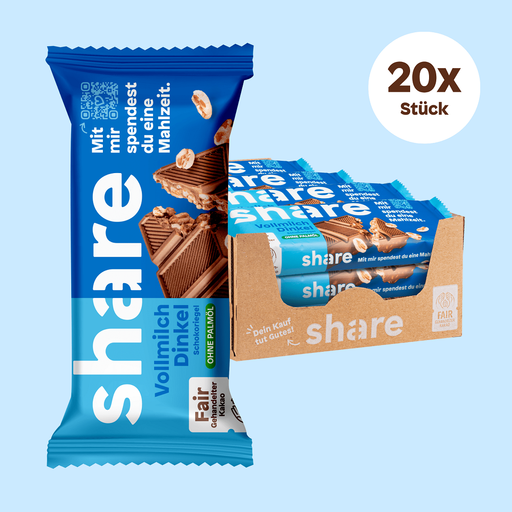 No image available
The individually portioned bars are a handy option if you’re serving chocolate to several guests; the product description says the cocoa is Fairtrade.
Contains milk, soya and spelt, which contains gluten. Check the current packaging for the exact Fairtrade claim and allergen labelling.
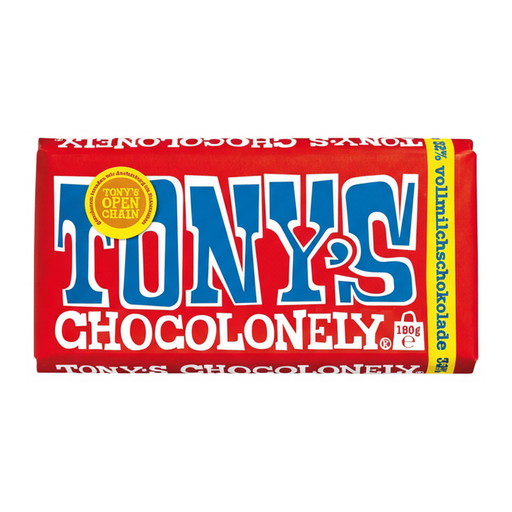 No image available
This slab is a good milk chocolate option for guests who prefer a variety without extra pretzel or toffee pieces. The product description says it’s Fairtrade-certified.
Contains milk and soya; may contain traces of egg, gluten and nuts. Check the labelling on the current packaging.
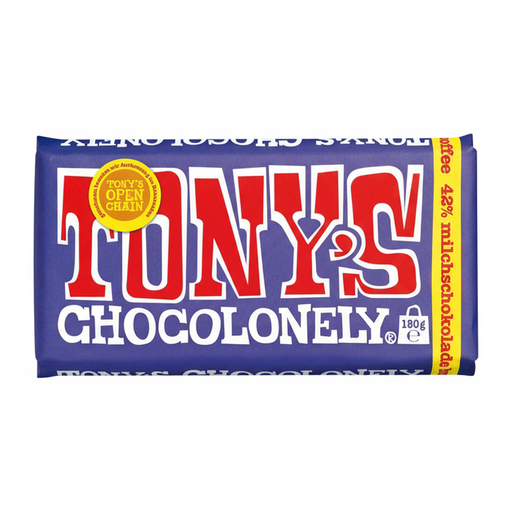 No image available
This variety adds pretzel and toffee pieces to your coffee get-together for guests who fancy a sweet-and-salty option. The product information says the cocoa and sugar are Fairtrade.
Contains milk, wheat (gluten) and soya; may contain traces of egg and nuts. Check the current Fairtrade and allergen labelling before serving.
Look for a Fairtrade label on the specific slab or bar. Fairtrade Deutschland distinguishes between raw material and product labels, among others, so check what the claim applies to on the product you’ve chosen.
No. A Rainforest Alliance claim doesn’t prove that a specific chocolate product is Fairtrade-certified. Ritter Sport refers to Rainforest Alliance certification for its cocoa sourcing; if you specifically want to serve Fairtrade chocolate, check the slab separately.
Yes, so guests can check the information for each variety. In particular, it’s difficult to reliably identify ingredients and allergens from individual pieces without the packaging.
No, cocoa content and sugar are listed separately. If the sugar content matters to your choice of varieties, compare the nutritional information per 100 g on the specific packaging.