If Fairtrade is a priority for your game night, choose a chocolate with a Fairtrade label or a clear Fairtrade statement for that specific product. General claims about a brand’s cocoa sourcing are not a substitute for this evidence. Then decide whether a sharing bar or individually wrapped bars would suit your group better, and check the ingredients and allergen information for each product you choose.
Which choice matters to you?
Hosts who prioritise Fairtrade
You want to buy chocolate for your game night with proof that the specific product meets Fairtrade standards. Look for the label or a clear Fairtrade statement on the chocolate, rather than relying solely on a brand’s sustainability claims.
Groups with different tastes
You want to put out chocolate to share while catering for different tastes and dietary preferences. GEPA says it offers bars and chocolate sticks, including milk chocolate and vegan options. The ingredients of the product you choose are still what matter.
Players who prefer individual portions
You want to put out bars that don’t need to be shared first. kinder describes its small chocolate bars as individually wrapped. However, this does not prove that these bars are Fairtrade-certified.
What should you look for when buying?
First, check that the specific product has Fairtrade certification. Then consider the ingredients for your group, and finally choose a pack format that suits you.
| Criteria | What to check when buying | Who it matters most to |
|---|
| Fairtrade certification |
Look for the Fairtrade label or a clear statement about the specific product. If it carries a Fairtrade raw material label, check which raw material the label refers to. |
I want to put out chocolate with clear Fairtrade certification, rather than relying solely on claims about the brand. This is the top priority for around 42% of consumers. |
| Ingredients and allergens |
Read the ingredients list and allergen information for each product, and check with your group about dietary preferences before you shop. |
If players need to avoid certain ingredients or follow a vegan diet, the selection should meet their needs. Around 33% of consumers prioritise this. |
| Choice and sharing |
Choose between a bar to share and individually wrapped bars. If you’re buying several varieties, check each pack separately. |
For our game night, I want to cater for different tastes and make it easy to put out the chocolate. This matters most to around 25% of consumers. |
Common shopping mistakes
-
Assuming a sustainability programme is the same as a Fairtrade label
Ritter Sport, Lindt and kinder publish information about their cocoa sourcing. This does not automatically prove that every chocolate product from these brands is Fairtrade-certified.
If Fairtrade is a must, check for the label or a clear Fairtrade statement on the specific product you’re buying.
-
Choosing by taste alone
Ingredients and allergen information can be crucial when you’re catering for a group with different needs. You can’t tell what’s in a product from its brand name alone.
Ask about specific requirements, read the labelling on each pack and leave the original packaging accessible when you put the chocolate out.
-
Assuming individual portions are Fairtrade-certified
Individually wrapped bars are easy to put out, but their packaging says nothing about Fairtrade certification. They may also create more individual packaging waste than a sharing bar.
Check the Fairtrade statement and ingredients first. Then choose a pack format that works for sharing or handing out in your group.
Brands to help you choose
GEPA
GEPA describes its chocolate range as fair and organic. It says it offers bars and chocolate sticks, including vegan options.
- GEPA highlights its direct trading relationships with smallholder organisations and provides information about its cocoa supply chain.
- Whether a product suits particular dietary preferences depends on its own ingredients and allergen information.
Plant-for-the-Planet
The REWE product page describes Plant-for-the-Planet’s “Die Gute Schokolade” as Fairtrade-certified and lists the 100-g bar as a specific option.
- The Fairtrade statement applies to a specific product, rather than being just a general claim about the brand.
- Still check the ingredients and allergen information on the pack you actually choose.
REWE
REWE is a retailer worth considering when looking for Fairtrade chocolate. The company says its range includes more than 300 Fairtrade products, including confectionery.
- The product description for “Die Gute Schokolade” explicitly states that it is Fairtrade-certified.
- Check what’s available at your chosen store or delivery location rather than assuming the full range is available locally.
Ritter Sport
Ritter Sport publishes information about its cocoa supply chain policies.
- Ritter Sport’s Cocoa Report sets out, among other things, its requirements for addressing child labour in the supply chain.
- These company statements are not proof that every individual chocolate product is Fairtrade-certified.
kinder
kinder describes its small chocolate bars as individually wrapped and publishes information about its cocoa sourcing.
- You can put out the individual bars without having to break them up first.
- The sourcing standards and mass balance approach described by kinder do not amount to blanket Fairtrade certification for its bars. Also check the ingredients of the specific product you choose.
Chocolate at Joybuy
These two 180-g bars are worth considering for a game night where you want to share the chocolate. The product information states that each chocolate is Fairtrade; check the labelling on the specific pack before buying.
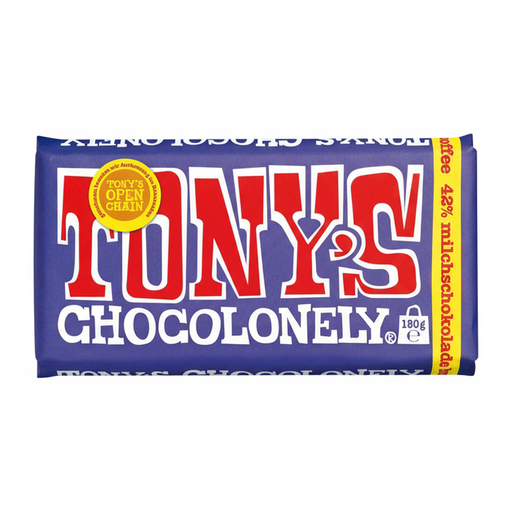 Image unavailable
Tony's Chocolonely milk chocolate with salted pretzel and toffee, 180 g
A sharing bar for anyone who fancies milk chocolate with salted pretzel and toffee.
Check the Fairtrade label, ingredients and allergen information on the specific pack.
View at Joybuy
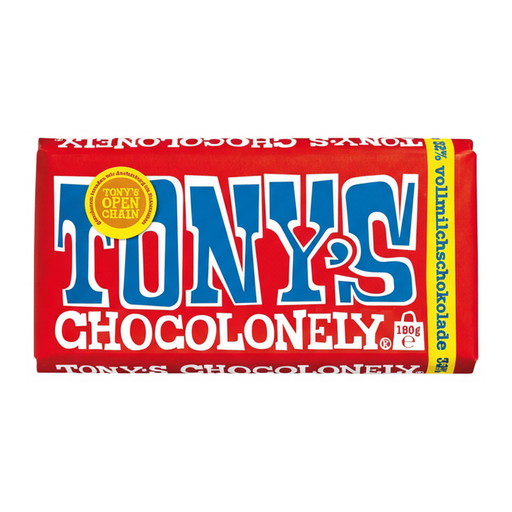 Image unavailable
Tony's Chocolonely milk chocolate, 180 g
A milk chocolate sharing bar if you’re not looking for a salted pretzel and toffee variety.
Check the Fairtrade label, ingredients and allergen information on the specific pack.
View at Joybuy
Shopping questions
Are a brand’s claims about sustainable cocoa enough to prove Fairtrade certification?
No, not if you specifically want to buy Fairtrade chocolate for game night. A sourcing programme or another standard does not automatically confirm that your chosen product is Fairtrade-certified. Check for its label or a clear statement on the product.
What does a Fairtrade raw material label on chocolate mean?
According to Fairtrade Germany, the manufacturer buys a specified quantity of the named raw material from Fairtrade producers and may label products with the Fairtrade raw material label in line with that quantity. Check the pack to see which raw material the label refers to.
How can I cater for allergens when my game night group has different needs?
Check what your players need before you shop, then read the ingredients list and allergen information for each product you choose. Leave the original packaging accessible when you put the chocolate out, so everyone can check the information.


