Hotels with a firm commitment to Fairtrade
You need verifiable evidence for the specific chocolate served at the buffet. A brand’s general sustainability programme isn’t enough.


If Fairtrade is a firm requirement for your breakfast buffet, choose chocolate based on the certification of the specific product, not just the brand. Small bars or squares can make serving easier, but you’ll still need to consider ingredient and allergen information, as well as hygienic handling. A wider choice of varieties also means more work when it comes to labelling and replenishing stock.
You need verifiable evidence for the specific chocolate served at the buffet. A brand’s general sustainability programme isn’t enough.
They need to know whether bars or small squares can be served and replenished neatly, and whether guests can find information about each variety.
You may want to offer several flavours, which means checking the ingredients, allergens and, where relevant, vegan labelling for each variety individually.
First, check which Fairtrade claim appears on the specific packaging. Then consider the serving format, variety-specific information and number of options to decide whether the chocolate will fit your buffet service.
| Criterion | What to check when buying | Who it matters most to |
|---|---|---|
| Fairtrade certification | The certification on the specific variety and, if there’s an arrow or raw material seal, the explanation on the back of the pack. | If the hotel wants to describe the buffet as Fairtrade, the claim must apply to the variety being served. This evidence is a priority for around 36% of consumers. |
| Serving format | Whether bars, small squares or a larger bar suit your planned portions and replenishment routine. | Chocolate should be easy to serve neatly during the breakfast rush. Around 29% of consumers say this is their main priority. |
| Ingredients and allergens | The ingredient and allergen information for each variety, and whether it can be clearly linked to the chosen serving format. | If you offer guests different recipes, you’ll want to be able to answer questions about each variety reliably. This transparency takes priority for around 21% of consumers. |
| Choice of varieties | Which flavours and formats you actually need, and whether each additional variety can be labelled separately. | Some hotels want to cater for preferences beyond classic flavours without making service confusing. Around 14% of consumers put choice first. |
A brand’s own cocoa and sourcing programmes don’t automatically prove that the chocolate bar you buy carries a Fairtrade label.
Check the certification on each variety. Only use other programmes instead of Fairtrade if the hotel’s purchasing requirements allow it.
A raw material seal or a seal with an arrow may cover a different claim from the black Fairtrade seal without an arrow. The Verbraucherzentrale Niedersachsen explains these differences in product labelling.
Read the information on the back of the pack and make sure your buffet signage describes it accurately.
Ingredients and allergens can vary between chocolate varieties. For non-prepacked foods, the required information under § 4 LMIDV must be clearly visible, easy to read and clearly presented in relation to the food in question.
Keep the information for each variety accessible and make sure guests can clearly match it to the chocolate on offer.
Individually served products can simplify organisation, but they don’t replace clean handling and presentation. The Bundesinstitut für Risikobewertung covers these basic requirements in its hygiene rules for communal catering.
Include chocolate in your existing procedures for checking, serving and replenishing food.
A supplier of chocolate and snacks for food service.
One possible source for Fairtrade chocolate and other Fairtrade products.
A chocolate brand with its own report on cocoa sourcing.
A chocolate brand with its own Farming Program and other sourcing standards.
A brand offering individually portioned chocolate products, with information about its cocoa standards.
A chocolate brand with portionable squares and information about cocoa sourcing.
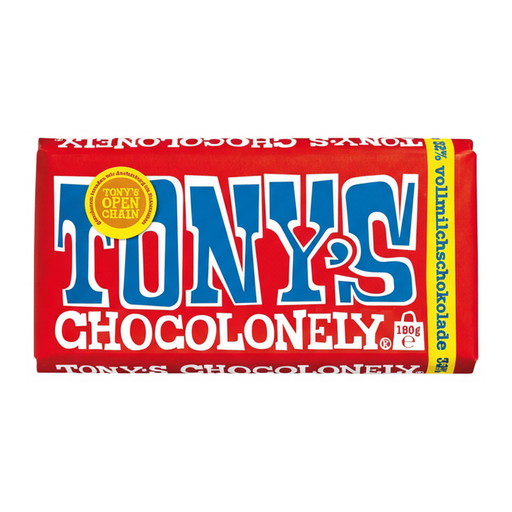
This 180g milk chocolate bar is one option. Before planning your buffet, check its specific Fairtrade labelling and whether a larger bar suits the way you intend to serve it.
 No image available
This milk chocolate may suit a buffet with a Fairtrade requirement, provided the labelling on the specific pack supports the claim you plan to make.
180g bar; check the portioning format and the ingredient and allergen information on the pack before serving.
According to the Verbraucherzentrale Niedersachsen, the black Fairtrade seal without an arrow identifies a fully Fairtrade product. If you see a seal with an arrow or a white raw material seal, read the explanation on the back of the pack before describing the chocolate at your buffet.
Individually wrapped bars can make portioning easier, but they don’t replace hygienic handling or information suited to the way you serve the chocolate. Check the packaging and buffet service routine together.
The information must clearly relate to the variety on offer. For non-prepacked foods, § 4 LMIDV requires the relevant information to be clearly visible, easy to read and provided in relation to the food in question.
No. A general cocoa or sustainability programme doesn’t replace proof of Fairtrade certification for the specific chocolate. Check the seal and its explanation on the pack, and make sure your buffet claim doesn’t go beyond what the label covers.