Shoppers who care about Fairtrade
You want to include chocolate as a snack in your marathon training and check the Fairtrade certification on the specific pack. A certification mark is not a promise that the chocolate will fuel you during a run.


Fairtrade chocolate is better suited to a mindful snack outside your run than as your sole source of fuel on a long run. Check the certification, ingredients and nutritional information on the specific pack. For longer, intense sessions, a tried-and-tested fuelling and hydration strategy is essential; the German Nutrition Society recommends drinks containing carbohydrates and sodium for activities lasting over 1.5 hours.
You want to include chocolate as a snack in your marathon training and check the Fairtrade certification on the specific pack. A certification mark is not a promise that the chocolate will fuel you during a run.
For long or intense runs, plan your food and drink together. What matters is what you can tolerate during a similar effort and how the chocolate fits in with the rest of your fuelling plan.
If allergens are a concern, check the ingredients and any ‘may contain’ warnings for each variety individually – even if you already know the brand.
First decide whether you’re choosing chocolate for a break away from running or food to fuel your effort. Then check the certification, recipe and planned portion for the specific variety.
| What matters to you | What to check when buying | Who it matters to |
|---|---|---|
| Fairtrade certification | The certification mark on the specific pack and which ingredients it applies to. | When choosing chocolate for a training break, I want to see the Fairtrade claim on that exact variety; this is the top priority for around 36% of shoppers. |
| Fuelling during a run | The duration and intensity of the run, as well as a fuelling and hydration strategy you’ve already tried. | For a long run, I want to rely on my tried-and-tested fuelling plan rather than simply pack a chocolate bar; around 29% of shoppers prioritise fuelling during exercise. |
| Ingredients and allergens | The ingredients list, declared allergens and any ‘may contain’ warnings for the variety you’ve chosen. | If I need to avoid certain ingredients, I need to know exactly what’s in the recipe; around 21% of shoppers put these checks first. |
| A treat-sized portion | The pack size and nutritional information per 100 g and for the portion you plan to eat. | For a break, I want to choose a portion that suits my plans rather than using the whole pack as a guide; this is the main consideration for around 14% of shoppers. |
Fairtrade certification for one product doesn’t mean every bar from the same brand carries the same certification. It also tells you nothing about the ingredients or whether the chocolate is suitable for running.
Check the certification mark and ingredients on the specific pack, and assess your running fuel separately.
A chocolate bar is no substitute for a drink. The German Nutrition Society recommends drinks containing carbohydrates and sodium for activities lasting over 1.5 hours.
Try your food and drink during similar training sessions before relying on them for a long run.
Allergens listed in the ingredients and warnings about possible traces mean different things. The absence of a ‘may contain’ warning is not a guarantee that a product is allergen-free.
If you have relevant allergies, read both the ingredients list and any ‘may contain’ warnings for the specific variety.
GEPA offers chocolate for shoppers who want to look beyond the information on the pack and find out about the cocoa supply chain.
The brand offers chocolate in different formats and outlines its aims for cocoa farming on its own website.
With this product range, shoppers can compare individual chocolate varieties by their Fairtrade certification.
Ritter Sport illustrates why information about cocoa sourcing should be distinguished from a Fairtrade mark on an individual bar.
These two chocolate bars could work as a snack away from your run. Before choosing, check the Fairtrade certification mark, ingredients and allergen information on the relevant pack; for fuelling during long sessions, your tried-and-tested eating and drinking strategy remains key.
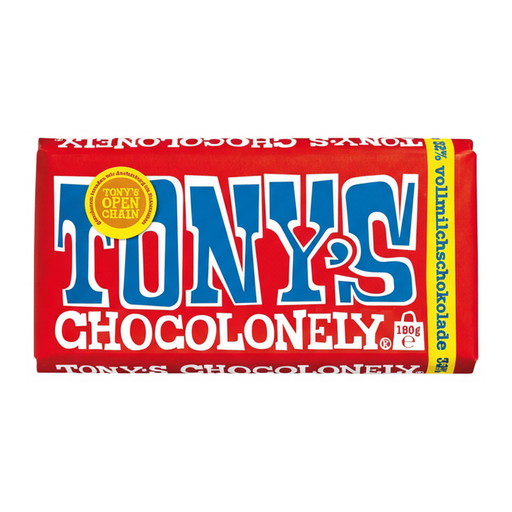 No image available
Could be chosen as a chocolate treat for a break away from running; the bar weighs 180 g. Check the Fairtrade certification mark and, if you have allergies, read the ingredients and ‘may contain’ warnings on the specific pack.
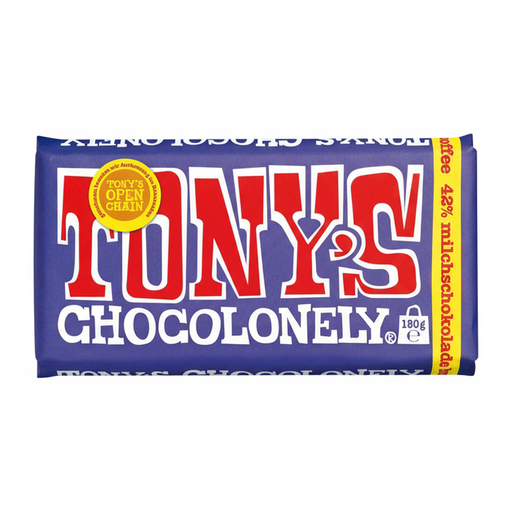 No image available
The pretzel and toffee variety could be a choice for a planned break away from running; the bar weighs 180 g. Compare its ingredients and allergen information with your requirements, and check the Fairtrade certification mark on the pack.
Not simply because it carries the Fairtrade mark. For longer, intense efforts, getting enough carbohydrates is important; the German Nutrition Society recommends drinks containing carbohydrates and sodium for activities lasting over 1.5 hours. If you want to eat chocolate during a run, try it alongside the rest of your fuelling plan during training to see how well you tolerate it.
Check for the Fairtrade mark on the specific pack. Fairtrade Germany explains that, on chocolate, the mark refers to Fairtrade standards for the relevant ingredients; the brand name alone isn’t enough to confirm this.
Yes, check the information for the variety you’ve chosen before buying. Lebensmittelklarheit explains that allergens requiring declaration must also be listed for food sold online. Also read the packaging, particularly the ingredients list and any warnings about possible traces.
First compare the nutritional information per 100 g, then work out what it means for the portion you actually plan to eat. The pack size alone won’t tell you how much carbohydrate, sugar or fat is in that portion.