For shoppers who require Fairtrade
You want to be able to spot the Fairtrade mark on the variety and pack size you’ve chosen, rather than assuming a product is certified based on a brand’s reputation.


If Fairtrade is a must for you, choose chocolate based on the label on the specific pack, not the brand’s image. For a short lunch break, portion size matters too. Also check the ingredients and allergens, and look for a possible mass balance statement on Fairtrade cocoa. A brand’s own cocoa programme does not automatically mean the product is Fairtrade certified.
You want to be able to spot the Fairtrade mark on the variety and pack size you’ve chosen, rather than assuming a product is certified based on a brand’s reputation.
If you want to enjoy chocolate at the office, university or on the go without sharing, pay particular attention to the size of each portion and its packaging.
If milk, nuts or other ingredients affect your choice, the Fairtrade mark and product name aren’t enough. You’ll also need to check the ingredients list and allergen information on the specific pack.
When choosing chocolate for a lunch break on the go, first check whether the pack you want meets your Fairtrade requirements. Then consider whether the portion format and recipe are right for your break.
| What to consider | What to check | Who it matters most to |
|---|---|---|
| Fairtrade labelling | Check the Fairtrade mark on the specific variety and pack size, and look for a “mass balance” statement where applicable. | I don’t want to infer Fairtrade status from a general sustainability claim. Around 42% of shoppers put verifiable Fairtrade labelling first. |
| Portion format | Check the weight of each portion and the packaging format against your planned break. | For a short break without sharing, I want a portion I can eat in one go. A handy portion size is the top priority for around 33% of shoppers. |
| Ingredients and allergens | Read the ingredients list and allergen information for your chosen variety; don’t assume a recipe is vegan based on the colour of the chocolate. | Even with Fairtrade chocolate, I need to check separately whether a variety meets my ingredient requirements. For around 25% of shoppers, ingredients and allergens come first. |
Cocoa Life at Milka and the Lindt & Sprüngli Farming Program describe each brand’s own sourcing approach. This doesn’t mean that every chocolate from these brands is Fairtrade certified.
If Fairtrade is a must for you, check the label on the exact variety and pack size.
Lebensmittelklarheit explains that, under mass balance, fairly traded and conventional raw materials may be mixed during processing, storage or transport. So, for cocoa, the Fairtrade mark alone doesn’t necessarily mean that the cocoa in an individual bar remained physically separate.
Read the mass balance statement on the pack. If physical traceability is important to you, also check the supply chain information for the specific product.
A bar with several portions isn’t necessarily as easy to handle as a small bar during a short break when there’s nowhere to put it down.
Compare the weight per portion and think about how you’d carry an opened pack.
Sharing and rewrapping can mean extra faff when you’re out and about.
Dark chocolate isn’t automatically vegan; filled varieties may contain other ingredients that matter to your choice.
Read the ingredients list and allergen information for each variety rather than relying on its colour or name.
A place to start if you’re looking for Fairtrade-labelled chocolate in a supermarket and want to compare packs in store.
A brand for shoppers who want to choose between bars and larger blocks from a Fair Trade-focused range.
Worth considering if you’re looking for a smaller bar format to take with you, as well as Fairtrade labelling.
If Fairtrade is a priority, check the labelling on the specific product before choosing a variety.
A brand for shoppers who also want to consider information about cocoa sourcing programmes.
A brand for shoppers who want to take Lindt’s cocoa sourcing information into account when making their choice.
A portion-focused brand choice where sourcing standards and Fairtrade labelling should be considered separately.
A brand for shoppers who like the format of a bar divided into individual pieces.
Here you can choose from one bar format and two larger blocks. If you specifically want to buy Fairtrade chocolate, check the mark on each pack you choose. For eating on the go, it’s also important to consider whether the stated amount is right for your break.
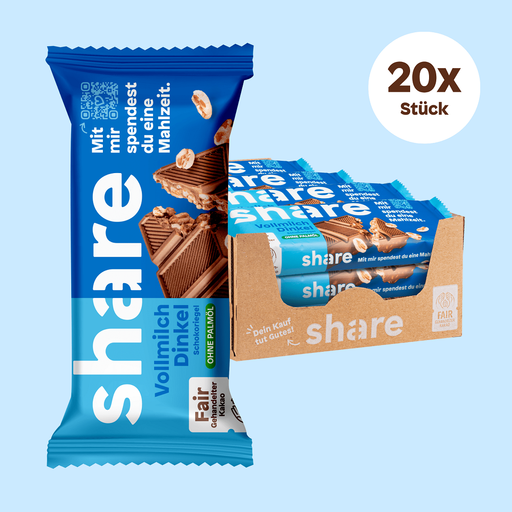 No image available
At 45 g per bar, it’s easy to choose an amount for a single break. Check how the bars are wrapped if you plan to take them with you.
The product description mentions Fairtrade cocoa. If you require the product to carry a Fairtrade mark, check the label on the specific pack.
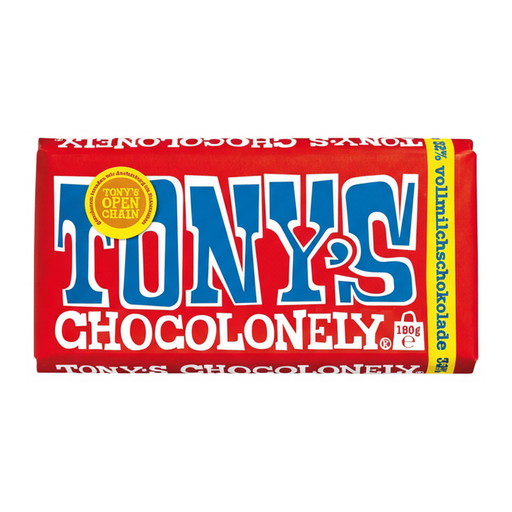 No image available
The 180 g bar could suit you if you want to take a larger amount and divide it up yourself if needed.
For a Fairtrade choice, check the label on this pack. For a short break, also think about how you’ll store the bar once it’s been opened.
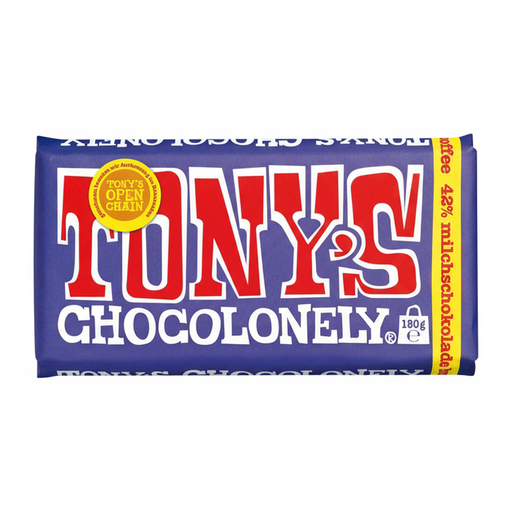 No image available
This 180 g variety could be a good choice if you specifically want pretzel and toffee and are planning to take a larger bar with you.
Check the ingredients, allergens and Fairtrade labelling on the pack you choose. You may need to divide the bar up for a short break.
No. Information about Cocoa Life, the Lindt & Sprüngli Farming Program or Rainforest Alliance doesn’t in itself confirm that your chosen chocolate is Fairtrade certified. If Fairtrade is a requirement for your purchase, check for the relevant mark on the specific pack.
This means that fairly traded and conventional cocoa may be physically mixed in the supply chain. Lebensmittelklarheit explains that this can happen during processing, storage or transport. In this case, the mark alone doesn’t prove that the cocoa in an individual product was kept physically separate.
Read the ingredients list and allergen information on the specific chocolate. According to the Verbraucherzentrale, information about ingredients and allergens is part of the labelling for packaged foods. Neither a Fairtrade mark nor the colour of dark chocolate answers these questions.
The Fairtrade Germany product finder can help you search for listed products. REWE also describes Fairtrade chocolate in its range. Before buying, check the variety you want, the labelling on its pack and availability at the retailer.