For a Fairtrade-focused school break, choose chocolate based on the label on the specific product, rather than a general statement from the brand about its cocoa sourcing. Then check the portion size, sugar information and ingredients. Chocolate can be a small treat, but the German Nutrition Society recommends a balanced meal for the main school break.
Who is this choice important for?
Parents planning a Fairtrade-focused school break
If fair cocoa sourcing matters to you, you need information about the individual bar or block of chocolate. REWE points to the Fairtrade mark as a way to identify these products, but a general statement about a range or brand is no substitute for checking the pack you’ve chosen.
Families planning portions
Chocolate should be a small treat in a lunchbox, not a replacement for a sandwich. The Consumer Advice Centre recommends limiting sweets for children. Pack size and sugar information can help you work out how much you’re actually putting in the lunchbox.
Shoppers with questions about allergies or ingredients
If you need to avoid certain ingredients, the ingredients list and allergen information are essential. Lebensmittelklarheit highlights the labelling of common allergens. For each variant, also check for precautionary ‘may contain’ statements if they’re relevant to the person concerned.
What should you look for when buying?
When choosing chocolate for a secondary school break, start by checking the Fairtrade information on the specific product. Whether it’s suitable for a lunchbox also depends on portion size, recipe and how easy it is to take with you.
| Criteria | What to check when buying | Who it matters most to |
|---|
| Fairtrade labelling on the product |
Look for the Fairtrade mark or a specific Fairtrade cocoa statement on the pack and product page you’ve chosen. |
If fair cocoa sourcing is my main priority, I want to be able to verify it for this particular chocolate. For around 40% of consumers, this product-specific evidence comes first. |
| Portion size and school-break meal |
Check the pack size and sugar information per 100 g, and consider the amount you’ll actually pack. |
I want to include a small sweet treat in the lunchbox without replacing the sandwich with chocolate. This question of portion size is a priority for around 30% of consumers. |
| Ingredients and allergens |
Read the ingredients list, declared allergens and, where relevant, precautionary ‘may contain’ statements for the specific variant. |
If there are ingredients I can’t have, the recipe needs to suit me first – even if the product carries a Fairtrade statement. Around 20% of consumers prioritise suitability for their dietary needs. |
| Sourcing and convenience |
Check how the pack is divided, storage instructions and current availability at your chosen retailer. |
I want to take the treat with me without having to portion it out, and be able to find it when I shop. For around 10% of consumers, this practical consideration is the most important factor. |
Which mistakes can you avoid?
-
Assuming a cocoa programme means Fairtrade
Ritter Sport, Kinder, Lindt and Schogetten describe different standards or programmes for sourcing their cocoa. That doesn’t mean every chocolate product from these brands carries a Fairtrade label.
If Fairtrade is your deciding factor, check the statement on the specific pack or product page. Assess other standards separately.
-
Packing chocolate instead of a sandwich
A Fairtrade statement doesn’t tell you whether a bar can replace a school-break meal. The German Nutrition Society recommends a balanced meal for the school break, while the Consumer Advice Centre advises limiting portions of sweets.
If you like, include chocolate as a small treat alongside a school-break meal, not as a replacement for it.
-
Guessing allergens from the variety or front of the pack
Depending on the recipe, chocolate and bars may contain milk, soya, nuts or cereals containing gluten, among other ingredients. A similar-looking variant may have different ingredients.
Read the ingredients list and allergen information whenever you choose a different variant. If precautionary ‘may contain’ statements are relevant to a diagnosed allergy, take these into account along with individual medical advice.
Brands and retailers to help you choose
Information about cocoa sourcing doesn’t automatically mean that a particular chocolate bar carries a Fairtrade label. The specific variant you choose is what matters.
REWE
As a retailer, REWE is a place to compare Fairtrade chocolate with other sweet treats.
- REWE describes Fairtrade chocolate in its range and points to the Fairtrade mark as a way to identify it.
- This statement about the range doesn’t apply to every chocolate product; the labelling and recipe of the variant you choose need to meet your needs.
Ritter Sport
In its 2023 cocoa report, Ritter Sport describes certified cocoa sourcing across its range.
- The report distinguishes between cocoa from the Rainforest Alliance Cocoa Program and the Fairtrade cocoa programme.
- This sourcing information doesn’t prove that every individual bar carries a Fairtrade label.
Kinder
Kinder may appeal to shoppers looking for individually wrapped chocolate bars who want to assess the cocoa information separately.
- Kinder describes its chocolate bars as individually wrapped and names several independently managed standards for cocoa sourcing.
- These brand statements don’t confirm that an individual bar carries a Fairtrade label.
Lindt
For its cocoa products, Lindt refers to the Lindt & Sprüngli Farming Program or other responsible sourcing standards.
- This gives an overview of the brand’s approach to cocoa sourcing.
- If you specifically want to buy Fairtrade, check the label on the Lindt variant you’ve chosen.
Schogetten
Schogetten describes a Rainforest Alliance approach to its cocoa.
- According to Schogetten, Rainforest Alliance-certified cocoa using mass balance has been used for Schogetten since 1 July 2026.
- Rainforest Alliance is not the same as Fairtrade. If you’re looking to buy Fairtrade, the pack you choose needs to carry a corresponding statement.
Explore chocolate at Joybuy
These bars and blocks of chocolate include Fairtrade information in their product descriptions. For a school break, you’ll also want to check the labelling on the pack you receive, the portion you pack and the ingredients.
 No image available
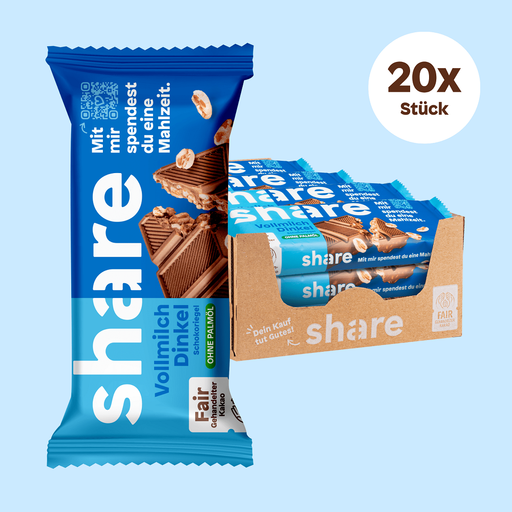
Share Organic milk chocolate bar with puffed spelt, 20 × 45 g
These bars could be a good option if you’re planning a chocolate treat for several school breaks; the pack contains 20 bars of 45 g each. The product description mentions Fairtrade cocoa. Check the labelling and ingredients on the pack you receive, and whether the bars are individually wrapped before buying.
View at Joybuy
 No image available
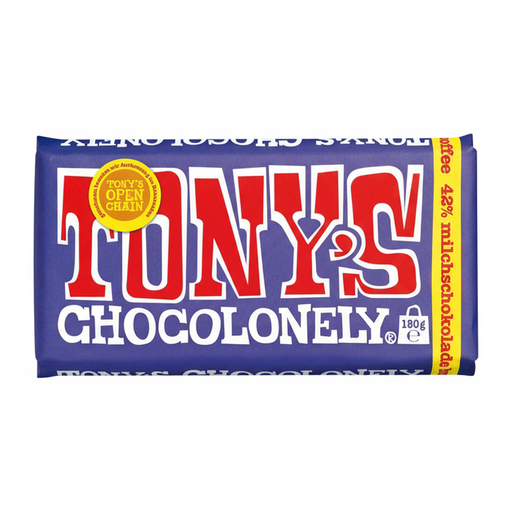
Tony's Chocolonely milk chocolate with pretzel and toffee, 180 g
If you want to portion out chocolate yourself for a lunchbox, bear in mind the total weight of 180 g. The product description mentions Fairtrade cocoa and Fairtrade sugar. Check these details against the pack, and look at the ingredients, allergens and portion size before packing it.
View at Joybuy
 No image available
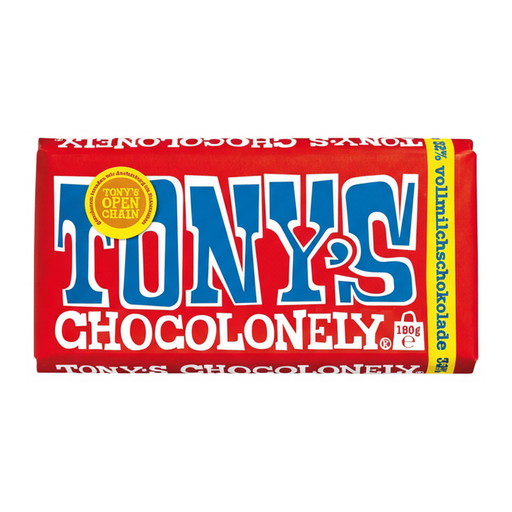
Tony's Chocolonely milk chocolate, 180 g
This 180 g bar is an option if you’d like to portion out a small amount yourself for a school break. The product description includes a Fairtrade statement but doesn’t explain exactly what it covers. So check the labelling on the pack you receive, along with the ingredients and allergens for your chosen variant.
View at Joybuy
Frequently asked questions
Can a Fairtrade chocolate bar replace a sandwich?
No. A chocolate bar can be included as a small treat alongside a school-break meal, but it doesn’t replace one. The German Nutrition Society recommends a balanced meal for the school break, while the Consumer Advice Centre advises limiting sweets for children.
How can I identify a Fairtrade statement on chocolate?
Check for the Fairtrade mark or a specific Fairtrade statement on the pack and product description for the product you’ve chosen. REWE identifies the mark as a way to recognise Fairtrade products. A general statement from a brand about its cocoa sourcing doesn’t prove that a particular variety carries the label.
Which allergen information should I check on a chocolate bar?
Read the ingredients list and allergen information for the exact variant you want to buy. Depending on the recipe, milk, soya, nuts, peanuts or cereals containing gluten may be relevant, for example. If you have a diagnosed allergy, also check any relevant precautionary ‘may contain’ statements and follow individual medical advice.


