Shoppers looking for a Fairtrade label
You want to choose chocolate for your TV night whose Fairtrade credentials you can check for the specific variety. A general sustainability claim from the brand isn’t enough for you.


If Fairtrade is a deciding factor when you buy chocolate for a night in front of the TV, choose a particular bar or snack bar based on its Fairtrade label or a clearly explained Fairtrade ingredient label – not the brand name alone. To suit different tastes, you could pick a mix of varieties or snack bars. If you have specific dietary requirements, check the ingredients and allergens for each product separately.
You want to choose chocolate for your TV night whose Fairtrade credentials you can check for the specific variety. A general sustainability claim from the brand isn’t enough for you.
You’d like to mix up the flavours or offer snack bars instead of just one bar of chocolate. GEPA says it sells chocolate in bar and snack-bar formats, including white, milk and vegan varieties.
You’re looking for a vegan recipe or need to avoid certain ingredients and allergens. Check the information for the variety you choose; if you’re putting together a selection, check each pack individually.
First, check the Fairtrade information on the specific chocolate. Then consider the format, ingredients and flavour when choosing something for your TV night.
| What to consider | What to check when buying | Who it matters most to |
|---|---|---|
| Fairtrade credentials | A Fairtrade label or clearly identified Fairtrade ingredient label on the product; if it’s an ingredient label, check the explanation of mass balance too. | I want to buy Fairtrade chocolate specifically, so I need proof on the pack I’ve chosen. This would be the top priority for around 42% of consumers. |
| Varieties and portions | Snack bars or chocolate bars, and the number and size of the individual units; if you’re choosing several varieties, check the information for each one. | If people have different tastes, I want to be able to put together and share a selection. Around 25% of consumers would put variety and portion size first. |
| Ingredients and allergens | The ingredients list, highlighted allergens and any precautionary statements about traces for each variety. | I need to find chocolate with ingredients that suit my dietary requirements; the variety name alone isn’t enough. Around 17% of consumers would make this their main consideration when buying. |
| Flavour | The type of chocolate, stated cocoa percentage and ingredients such as fillings or nuts. | For a film night, I’m looking for a particular type or recipe of chocolate and want to choose accordingly. Around 16% of consumers would put flavour first. |
A statement about cocoa sourcing alone doesn’t prove that the specific bar you’ve chosen is Fairtrade-certified. Ritter Sport describes its cocoa as coming from Rainforest Alliance or Fairtrade cocoa programmes; Lindt refers to its Farming Program or other sourcing standards.
If you specifically want to buy Fairtrade, check the label and its explanation on the actual pack.
Fairtrade Germany explains that mass balance applies to some Fairtrade ingredients. This means the quantities are documented, but the ingredient cannot necessarily be physically traced through to every individual bar.
Read the explanation of the label. If physical traceability matters to you, also check the supply chain information for the specific variety.
The words ‘vegan’ or ‘dark’ don’t tell you everything about other ingredients or possible traces.
Check the ingredients list, highlighted allergens and any precautionary statements about traces for each variety – including when you’re choosing a mixed selection.
REWE lists Fairtrade chocolate as part of its range. To find out which specific varieties are available and how they’re labelled, check the individual product.
Before choosing, check the product available at your location, then read the information on the pack.
GEPA says it sells chocolate in bar and snack-bar formats, including white, milk and vegan varieties.
REWE is a retailer whose range includes Fairtrade chocolate and other Fairtrade sweets.
With Ritter Sport, it’s important to distinguish between information about the cocoa used across its range and the label on a particular bar.
Lindt provides information about how it sources cocoa products; this is different from a product-specific Fairtrade label.
This selection includes chocolate snack bars and milk chocolate bars for a TV night. If Fairtrade is your deciding factor, compare the product information with the label or ingredient certification on the pack you choose.
 No image available
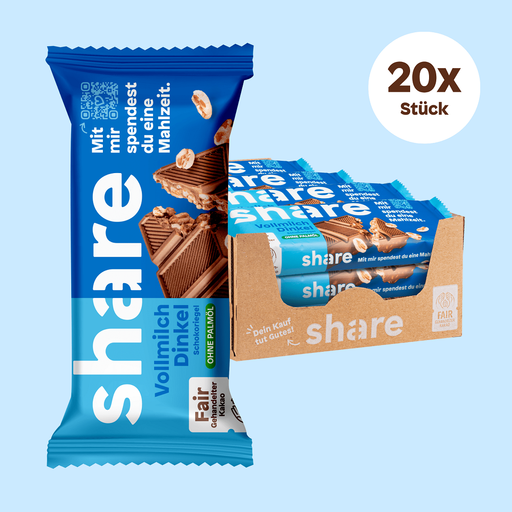
These 20 snack bars are a good option if you’d like to offer individually portioned pieces of chocolate for your TV night.
The product information says the cocoa is Fairtrade; check the exact labelling on the pack. When checking the ingredients, pay particular attention to milk, soya and spelt.
 No image available
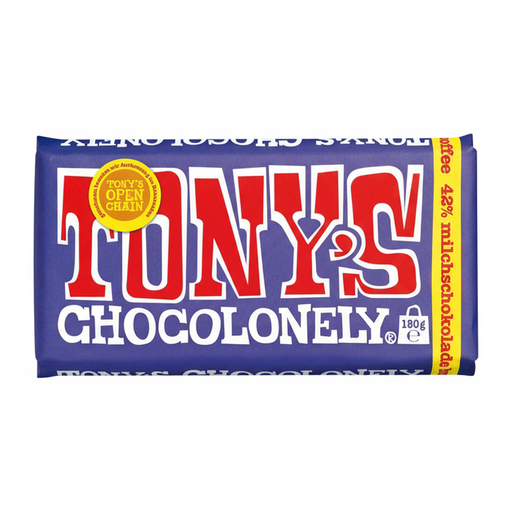
This bar is a good choice if you fancy chocolate with pretzels and toffee for your film night.
The product information describes the chocolate as Fairtrade-certified; check the label on the pack. Check the ingredients and allergen information, particularly for milk, wheat and soya, as well as any precautionary statements about traces.
 No image available
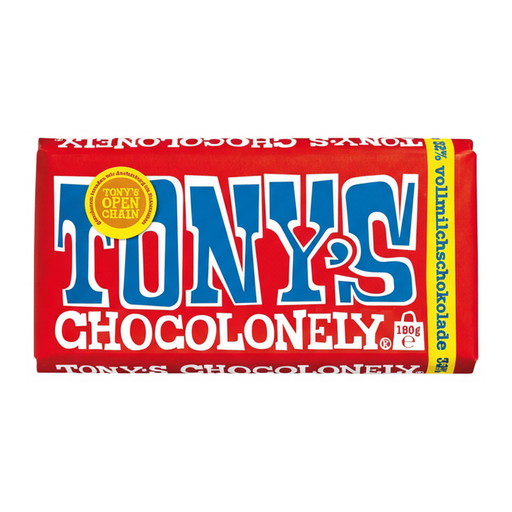
This 180 g bar is an option if you’re looking for milk chocolate for your TV night without the pretzel and toffee recipe of the other bar.
The product information describes the chocolate as Fairtrade-certified; check the label on the specific pack. Also check the ingredients and allergen information, particularly for milk and soya, and any possible traces.
Look for a Fairtrade label or a clearly identified Fairtrade ingredient label on the specific chocolate. Fairtrade Germany explains that mass balance may apply to certain ingredients: quantities are documented, but the ingredient cannot necessarily be physically traced through to every individual pack.
No. The brands’ statements don’t automatically mean that every bar carries a Fairtrade label. Ritter Sport describes its cocoa as coming from Rainforest Alliance or Fairtrade cocoa programmes; Lindt refers to its Farming Program or other sourcing standards. If you specifically want to buy Fairtrade, the label on the variety you choose is what matters.
Read the ingredients list and highlighted allergens for the exact variety of chocolate. Also check for any precautionary statements about traces in line with your individual requirements; if you’re choosing several varieties, do this for every pack.
A best-before date having passed doesn’t, on its own, tell you whether the chocolate has gone off. Before eating it, check the condition of the packaging, as well as its smell and appearance. If the packaging is damaged or you’re unsure, don’t eat it.