Hotels with a Fairtrade requirement
They need to be able to verify which evidence applies to the chocolate actually being served. They also need a portion size that can be used reliably as part of the guest service.


For in-room coffee, small portions are practical if you want to provide the same amount of chocolate in every room. If Fairtrade is a firm purchasing requirement, check the evidence for the specific product rather than relying solely on a brand’s sustainability statement. Ingredients, allergens, packaging and the effort involved in restocking should also inform your choice.
They need to be able to verify which evidence applies to the chocolate actually being served. They also need a portion size that can be used reliably as part of the guest service.
They want to provide and replenish the same number of items in every room. Small chocolate squares or bars could work well, but you should check the packaging for the specific product.
They check the ingredients and highlighted allergens for each product, rather than assuming that a product is suitable for all guests simply because it is labelled ‘chocolate’.
First, check what Fairtrade evidence your hotel requires. Then choose a portion size that works for your in-room service and check the ingredients and allergens for each product you plan to offer.
| Criterion | What to check when buying | Who it matters most to |
|---|---|---|
| Fairtrade evidence | Check for a certification mark or clear evidence for the specific product. If it says the cocoa is certified, check what that claim refers to. | If I promise guests Fairtrade chocolate, I need proof for the exact product I’m ordering. Around 38% of consumers put this evidence first. |
| Portion size and serving | Check that the size and packaging work for the number of portions you plan to provide in each room and your restocking routine. | For a consistent coffee service, I want to be able to count and serve the chocolate easily. Portioning is a priority for around 31% of consumers. |
| Ingredients and allergens | Check the ingredients list and highlighted allergens for each product. Only assess whether it is suitable for vegans using the specific product information. | When guests have different requirements, I need to know which product I’m providing. That’s why around 31% of consumers prioritise ingredients and allergens. |
Ritter Sport says the cocoa in its range comes under the Rainforest Alliance or Fairtrade cocoa programme, while Lindt refers to its Farming Program or other standards. This does not mean that every individual pack carries the Fairtrade mark required by your hotel.
Decide what evidence you will accept and check it for every product you order.
Recipes can vary from one product to another. A statement about the brand as a whole is no substitute for checking the ingredients and allergen information on the product you’re serving.
Check the packaging for every product, and don’t describe chocolate as allergen-free or vegan without product-specific evidence.
Small chocolate squares and bars can work well if you want to provide a set number in every room. If you offer several varieties, however, you’ll need to organise serving and restocking accordingly.
Trial the setup in a small number of rooms to see whether the portion count, restocking schedule and packaging disposal work for your housekeeping team.
Individually portioned products mean more packaging to handle and dispose of as part of your in-room service.
The best-before date relates to quality; chocolate is not automatically unsafe after it has passed. However, its taste and texture may change.
Follow the storage instructions and plan your reorders so your stock meets the standard you want to offer guests.
GEPA specifically offers Fair Trade and organic chocolate for coffee or tea in the out-of-home sector, including bars and small chocolate squares.
Ritter Sport says that, since 2018, the cocoa in its range has come under the Rainforest Alliance or Fairtrade cocoa programme.
Lindt says its cocoa products are sourced through the Lindt & Sprüngli Farming Program or meet other responsible sourcing standards.
According to kinder Germany, the small kinder chocolate bars are individually wrapped.
These products offer different quantities for a coffee service: a 180 g chocolate bar and a pack of 20 bars weighing 45 g each. For in-room service, the packaging, the Fairtrade evidence required and the information on the pack delivered are all important.
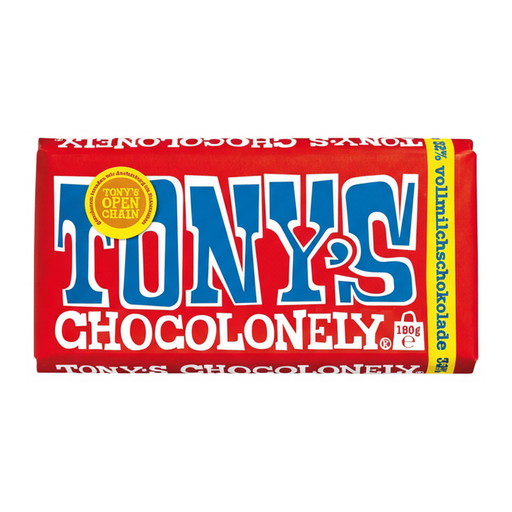 Image unavailable
The 180 g pack could suit a coffee service where portions are decided before serving. Check the packaging, Fairtrade evidence, ingredients and allergen information on the pack you actually receive.
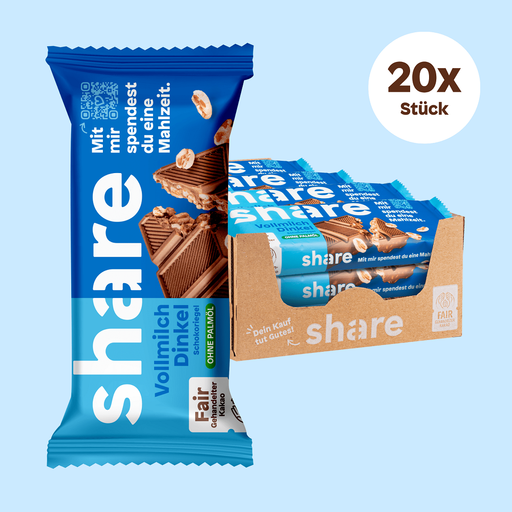 Image unavailable
A pack of 20 bars weighing 45 g each could be a good option if you want to serve a set number. Before placing them in guest rooms, check whether the bars are individually wrapped. Claims about Fairtrade cocoa do not replace the need to check that the specific product meets your requirements; also check the ingredients and allergens on the pack you receive.
No. A general statement about a programme does not automatically prove that the chocolate you buy carries the Fairtrade mark. Check for the mark or clear product documentation for the specific variety.
In particular, check the ingredients and highlighted allergens for every product. Under the labelling rules explained by the European Union, prepacked foods must also show information including the best-before date, net quantity and nutrition information.
No. The best-before date is not automatically a safety cut-off. The European Food Safety Authority considers it an indicator of food quality; when serving guests, you should take the storage instructions and your desired quality standard into account.
No. They can make it easier to serve a set number, but they also mean more individual packaging. Your in-room service, the ingredients and allergen information, and proof of Fairtrade certification for the product you choose are all important.