
Lieferung heute & morgen

Qualitätsgarantie

Willkommens-Angebote freischalten: KOSTENLOSE Lieferung | Bis zu 80 % RABATT | Kostenlose 30-Tage-JoyPlus-Testphase
App herunterladen
Artificial plants offer an attractive way to add a permanent touch of green to any room without the hassle of plant care. However, the market for faux plants is overwhelming, and not every product delivers on its promise. A hasty decision often leads to disappointment and the feeling of having wasted money on an unsightly piece of plastic.
This guide highlights the most common pitfalls when buying artificial plant decor and explains which quality features you should look for to make a durable and visually appealing choice.
Many buyers base their decision solely on the product image, but the devil is in the details. Certain flaws only become apparent after unboxing or after a few months of use.
To avoid a bad purchase, you should check three key parameters before making a decision. These features determine whether your artificial houseplant will still bring you joy years down the line.
The material is the core of any artificial plant. Look for products made from high-quality PE plastic (polyethylene) or textile-reinforced materials. These allow for a detailed replication of leaf veins and textures and often feel more realistic than simple hard plastic. For locations near windows, the specification for UV resistance is crucial. Without this protection, the colours can fade over time due to sun exposure, which happens quickly with cheaper models.
A solid pot not only provides a stable base but also completes the overall aesthetic. Modern artificial plants are often offered in pots made of concrete, cement, ceramic, or solid wood. These materials lend weight and a premium feel to the decoration. A heavy pot is especially important for taller plants or an artificial hanging plant to ensure stability.
Identifying good artificial plant decor is a matter of detail. Pay attention to the following aspects:
The choice of the right artificial plant depends heavily on personal style and the intended location. Here are some recommendations tailored to specific needs and interior design styles.
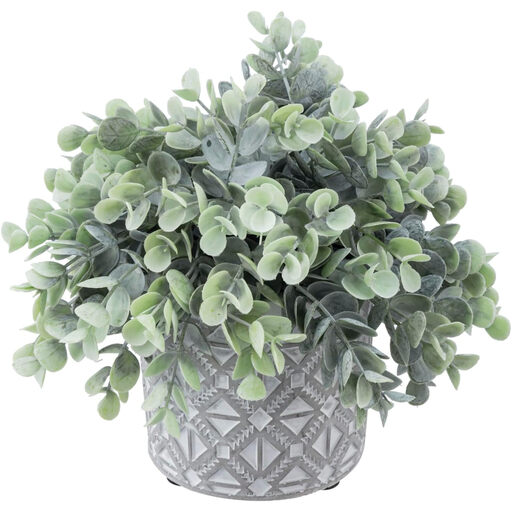
Why this model is a great fit: Its compact size and modern concrete pot with a geometric pattern are ideal for desks, shelves, or minimalist offices and living spaces. It blends seamlessly into a clean, uncluttered environment.
The heavy, stable cement pot avoids the cheap look and instability of a simple plastic pot. The matte texture of the eucalyptus leaves appears natural and not glossy.
The combination of a trendy eucalyptus design and a high-quality, embossed concrete pot creates a stylish and durable decorative object.

Why this model is a great fit: The solid acacia wood planter box harmonises perfectly with styles like farmhouse, boho, or Scandinavian design. The trailing pothos softens harsh lines and brings an organic touch to the room.
The handcrafted wooden box is a clear statement against cheap plastic pots. According to the manufacturer, the UV-resistant foliage prevents the colours from fading quickly.
The realistic replica with detailed veining and varying leaf sizes ensures an authentic appearance. The solid wood box is a standalone design element.
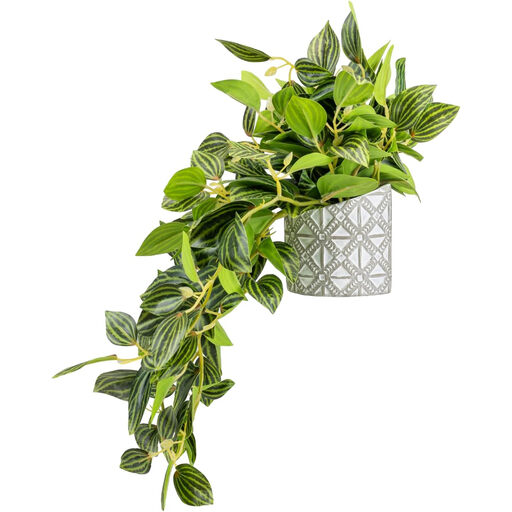
Why this model is a great fit: This artificial hanging plant is designed for wall mounting, making optimal use of vertical space. It is perfect for smaller apartments, bathrooms, or for livening up a blank wall.
The set comes with a stylish, embossed cement pot, which eliminates the need to search for a separate hanging pot. The naturally cascading vines avoid a stiff, unnatural look.
The space-saving wall mount allows for creative decoration possibilities even in limited spaces. According to the manufacturer, the mounting hardware is included.
We have compiled a comprehensive, up-to-date list of products that meet these strict selection criteria and quality standards.
Care is straightforward. Simply dust the leaves and pot regularly with a soft, dry cloth or a feather duster. For heavier dirt, a slightly damp microfibre cloth can be used. Avoid using harsh cleaning agents, as they could damage the material.
You can recognise high-quality artificial plants by several features: The leaves have a matte finish and show realistic colour gradients and visible veining. The stems are flexible yet shape-retaining. Another crucial criterion is the pot: models with heavy, stable pots made from materials like concrete, ceramic, or wood are often an indicator of higher overall quality.
Colour fastness depends heavily on the material quality. Models explicitly labelled with UV protection offer better colour longevity, especially in sunny locations. To preserve the colours for as long as possible, it is generally recommended not to expose the plants to direct, intense midday sun permanently.