
Lieferung heute & morgen

Qualitätsgarantie

Willkommens-Angebote freischalten: KOSTENLOSE Lieferung | Bis zu 80 % RABATT | Kostenlose 30-Tage-JoyPlus-Testphase
App herunterladen
Family board games are designed to bring several generations together around the table. In practice, however, one game will not automatically suit every group. A complicated rulebook can overwhelm younger children, while a very simple card game may quickly bore adults. Packaging claims such as “for all age groups” also reveal little about the number of players, playing time or space required.
1. Looking only loosely at the recommended age.
“From 8 years” indicates a recommended entry level, not the actual experience for every family. Reading, arithmetic, thinking ahead and maintaining concentration for longer periods can vary considerably. For younger children, clear rules and short rounds are often more important than a large game board.
2. The stated number of players does not suit the occasion.
A game for two people is not automatically suitable for a games evening with six participants. Conversely, games designed for larger groups can lose their dynamism when played by just two people. Before buying, you should therefore check the minimum and maximum number of players, as well as your preferred group size.
3. Underestimating materials, storage and playing time.
Small cards, playing pieces or dice can get lost and pose a choking risk for children under three. Large boxes are impractical for travelling, while a travel game may offer less depth when played at home. A stated playing time of 45 minutes can also vary depending on familiarity with the rules and the size of the group.
Pay attention to the age recommendation given by the manufacturer and to warnings about small parts. Games marked “from 6 years” may already appeal to primary-school children, while games from 10 years often require greater reading comprehension, logic or strategic planning. For children under six, supervised play is recommended for the first game.
The CE marking and product safety information should be clearly shown on the packaging and product page. Games with damaged cards, broken plastic parts or missing small components should no longer be used.
Card games with a flexible number of players are suitable for families whose group size varies. Board games often provide more components and longer playing times, but require a suitable table. Co-operative games have everyone playing together against the game mechanics. This can be appealing to families who want to avoid conflicts caused by direct competition.
With strategy games, it is worth checking how accessible the rules are. A game can include strategic decisions while still offering an easy introduction. For children, educational games involving numbers, colours, matching or spatial thinking can be a useful addition, without making the games evening feel like a lesson.
Short games suit families with younger children or limited time. For a longer games evening, games from 8 or from 10 years with a stated playing time of 30 to 60 minutes may be suitable. Also check whether the instructions are available in German. When travelling, compact dimensions, low weight and secure storage for the game components are important.
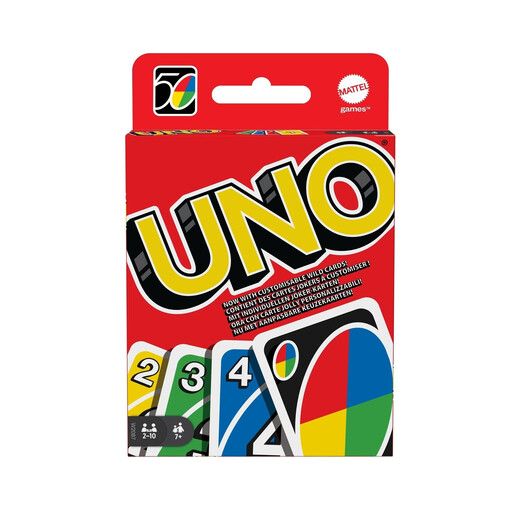
Why this product suits this profile: This card game is designed for 2–10 players aged 7 and over, and can be started quickly with just a few cards. This makes it suitable for family games and party games with varying numbers of participants.
The number of players is clearly stated, and the rules are based on matching colours and numbers. No batteries or complicated set-up are required.
112 cards, action cards and rewritable Wild cards allow for short, flexible rounds.
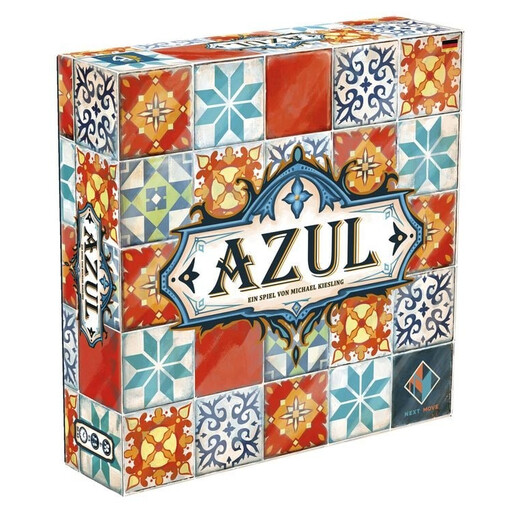
Why this product suits this profile: Azul is designed for 2–4 players aged 8 and over, combining colour selection, planning and scoring on a fixed game board.
The age limit, number of players and playing time of 30–45 minutes are clearly stated. This makes planning a games evening easier.
The game components are made from paper, card and plastic; the German edition is intended for family games with children aged 8 and over.
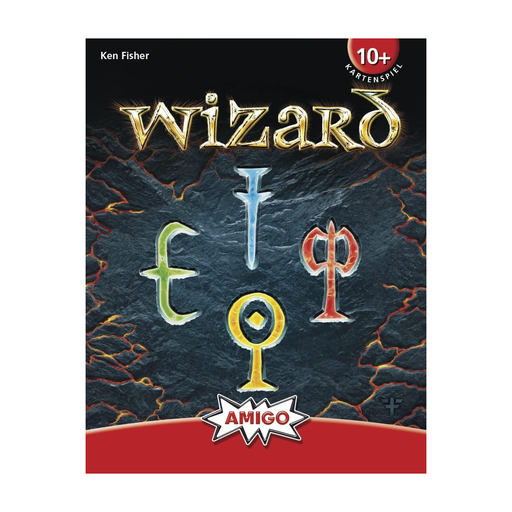
Why this product suits this profile: This card game is designed for 3–6 players aged 10 and over. With a playing time of around 45 minutes, it offers a longer game for regular games evenings.
The target audience, number of players, playing time and German instructions are all clearly stated. The compact box makes transport and storage easier.
Compact dimensions of 12,3 × 9,6 × 2 cm, a weight of 198 g and durable cards support use at home and on the go.

Why this product suits this profile: This co-operative board game is designed for 1–4 players aged 6 and over. The group works towards a shared goal instead of playing against one another.
The recommended age group and the need to supervise younger children are clearly explained. The shared game mechanics reduce direct competitive pressure.
The spinning game board, dice and animal tokens create varied turns; no batteries are required.
We have put together a complete, regularly updated list of products that fully meet these strict selection criteria and the safety regulations applicable in the EU.
Start by checking the recommended age and choose rules that younger children can understand. Games such as UNO or a co-operative family game from 6 years are often easier to explain and play together than complex strategy games from 10 years. A trial round without time pressure can help you assess whether the game is suitable.
Their lifespan depends on the materials, storage and how they are handled. Cards and game boards should be stored in a dry, clean place protected from direct sunlight. For games with small plastic parts, it is advisable to check that everything is complete after each game. EXIT games are an exception, as the materials may be folded, written on or altered depending on the challenge, and are therefore described as playable only once.
Compact card games and games with built-in storage are practical for travelling. Pay attention to the dimensions, weight, delicate game components and the amount of table space required. On longer journeys, you should also choose only games that can be played safely while seated and without loose small parts in a confined space.