
Lieferung heute & morgen

Qualitätsgarantie

Willkommens-Angebote freischalten: KOSTENLOSE Lieferung | Bis zu 80 % RABATT | Kostenlose 30-Tage-JoyPlus-Testphase
App herunterladen
Family board games should bring different age groups together, have easy-to-understand rules and be enjoyable for more than just one round. When choosing a game, it’s worth looking beyond eye-catching packaging and marketing claims and checking the practical details: recommended age, number of players, playing time, game mechanics and what’s included.
A game labelled “ages 6+” isn’t automatically easy for every child of that age to play. Some games for ages 6+ already require concentration, number skills or the ability to read short texts. Board games for ages 8+ often involve tactical decisions, longer rounds or more complex scoring systems.
Check whether younger players can take an active part, or whether an adult will need to explain the rules and help them make decisions.
A game for 1 to 4 players won’t suit a large family gathering. Conversely, party games for 4 to 12 people may not be ideal for a night in as a pair. Even classic games such as Bingo, Kniffel or domino vary in the components included and how they’re played.
Classic board games such as dice games, card games and domino can usually be played again and again. With some cooperative games, however, the components change during play. At-home escape-room games, such as those in the KOSMOS EXIT series, may involve folding, writing on or otherwise altering cards. This means each edition is generally designed to be played just once.
Follow the age recommendation provided by the manufacturer. Small parts also come with a safety warning: several products in this selection are not suitable for children under 3, as small parts may be swallowed or inhaled. Even if a game is recommended for older children, make sure all the pieces are collected after play and stored safely.
Compact family games, many strategy games and selected card games are well suited to game nights with two to four players. If you regularly play with larger groups, check the minimum and maximum player numbers. Games with simultaneous actions can reduce waiting times, while in classic dice games, players usually take turns.
A short playing time is handy for families with younger children or when you want to play several rounds. For a longer evening, games that take around 30 to 60 minutes may be a better fit. With cooperative games, it’s also worth checking whether the stated difficulty is “Beginner”, “Advanced” or “Expert”. This can help you avoid having to abandon a game early because the puzzles are too difficult.
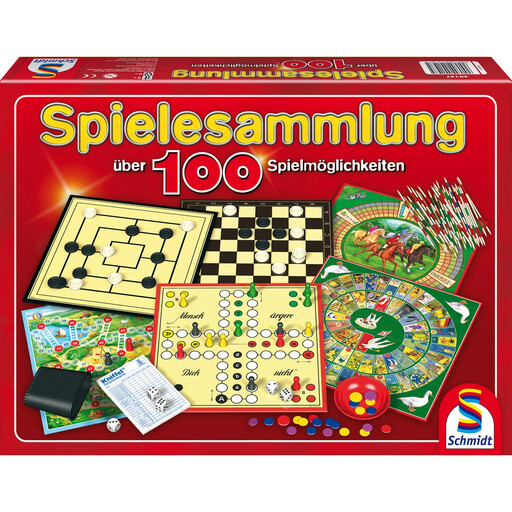
Why this product suits this profile: This collection is designed for families with children aged 6 and over, and includes 100 ways to play, including Ludo, Kniffel, Nine Men's Morris, draughts, pick-up sticks and more.
The wide choice reduces the risk of buying a game based on just one mechanic that might not suit your family.
Recommended for ages 6+, no batteries required, and measures 37,3 × 27,2 × 5,7 cm.
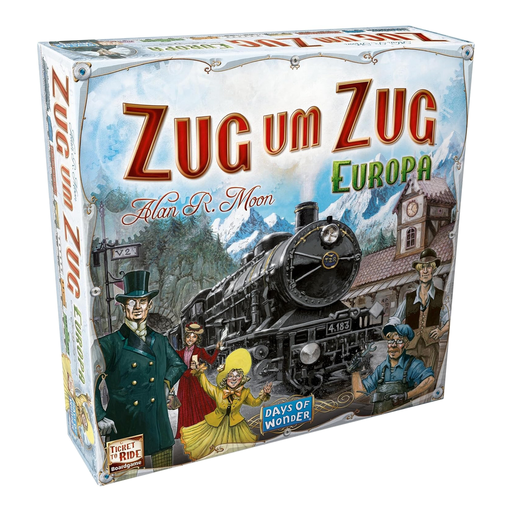
Why this product suits this profile: This strategy game is designed for 2 to 5 players aged 8 and over, combining route planning with a clear objective on a map of Europe.
The player count, recommended age and stated playing time of around 45 minutes are all clearly specified.
The materials include paper, cardboard and plastic; according to the product description, the rules can be explained in around 5 minutes.
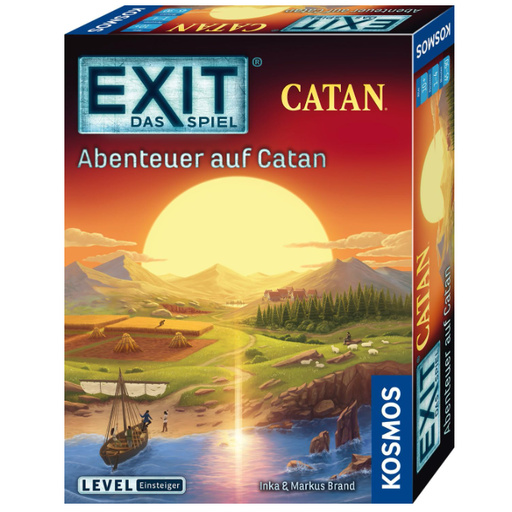
Why this product suits this profile: This cooperative escape-room game is designed for 1 to 4 players aged 10 and over, offering a shared puzzle-solving experience for families, teenagers and adults.
The difficulty level is listed as “Beginner”. Buyers should still bear in mind that the game components may be altered as part of solving the puzzles.
For 1 to 4 players, with an optional KOSMOS app and compact dimensions of 13 × 18 × 4 cm.
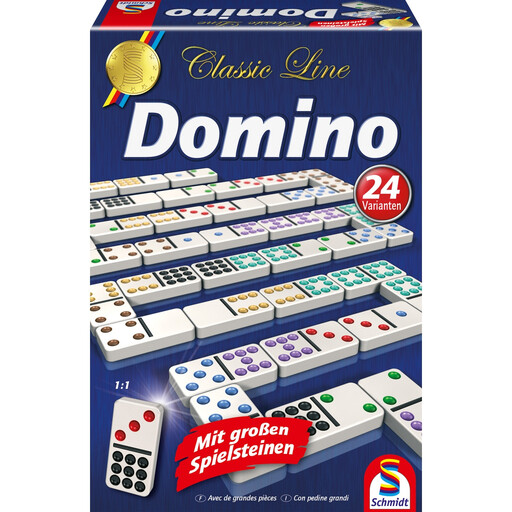
Why this product suits this profile: This domino game is designed for ages 6 and over and includes 55 extra-large tiles and 24 rule variations.
The extra-large tiles are easier to pick up and sort than very small game pieces.
A battery-free classic with several rule variations and packaging dimensions of 27,5 × 19 × 6,7 cm.
We’ve put together a complete, regularly updated list of products that meet these strict selection criteria and fully comply with the safety regulations applicable in the EU.
Look for games with short rules, a manageable playing time and a clear age recommendation. Domino, a collection of games with several variations, Jenga, or simple card and dice games can all be good options. Consider the child’s individual development and whether they may need support from an adult.
As well as the age recommendation, difficulty, the amount of reading involved and playing time are important. Ticket to Ride: Europe and Azul, for example, are aimed at players aged 8 and over, but involve strategic decisions and may take longer to play. Clear rules and a manageable first round can help beginners get to grips with a game.
In many KOSMOS EXIT editions, the components are folded, written on or altered as you work through the puzzles. That’s why they’re designed to be played just once. Check the specific edition and its stated difficulty level before buying.