
Lieferung heute & morgen

Qualitätsgarantie

Willkommens-Angebote freischalten: KOSTENLOSE Lieferung | Bis zu 80 % RABATT | Kostenlose 30-Tage-JoyPlus-Testphase
App herunterladen
Family board games bring together different age groups, playing preferences and time budgets. In practice, though, choosing the right game can often lead to disappointment: the rules are too complex, the stated player count doesn’t suit the group, or essential extra equipment is missing.
A description such as “for two to eight players” sounds flexible, but it doesn’t always mean you’ll have the same experience with every group size. Some games are more tactical with two players, while larger groups may face longer waits between turns. So check:
For an impromptu game night, card games that take little time to set up are often a good choice. Board games with lots of playing pieces or extensive rules, on the other hand, need more space and preparation time.
The recommended age relates to the rules, content and any small parts. A game for ages 8 and up may not be suitable for younger children, even when adults are playing too. For games aimed at children aged 8 and over, parents should also consider how much reading is involved, the level of arithmetic required and how well children cope with frustration.
For video games, the USK rating, platform and online features are key. A game rated USK 12 isn’t automatically suitable for every family gaming session. For digital games, also check whether you’ll need extra controllers, internet access or accounts, and whether there may be in-app purchases.
Depending on the model, electronic dartboards need batteries or a mains adapter. A music game edition may require a smartphone with a compatible app or a streaming service. Nintendo Switch games don’t automatically include the console you need to play them.
It’s also worth checking what’s included with traditional games: are there enough playing pieces, cards and spare parts, and is there a way to store everything? Keep small parts out of reach of children under three.
Start by choosing a game to suit the occasion:
The playing time shown on a product page is a guide. The rules, players’ experience and group size can all affect how long a game actually takes.
Simple games such as UNO and some card games are quick to explain. Strategy games such as Azul or Monopoly involve more decisions and can take different amounts of time depending on the group. Co-operative games and detective games, meanwhile, focus on discussing things together rather than competing directly.
Check whether the game requires reading skills, whether the cards are in German and whether the rules are available in more than one language. With escape room games, some of the materials may only be usable once if cards or components need to be written on, folded or altered.
A sturdy box, easy-to-sort components and clear instructions make a game easier to enjoy regularly. Large game boards need a wide, flat surface. This applies, for example, to MicroMacro: Crime City, which has a 75 × 110 cm textile map.
For electronic products, also check the assembly, power supply, cleaning and storage requirements. Use an electronic dartboard only with the soft-tip darts specified. Chess sets with magnetic pieces are handy for travel, while an electronic chessboard involves more technology and may need to connect to an app.
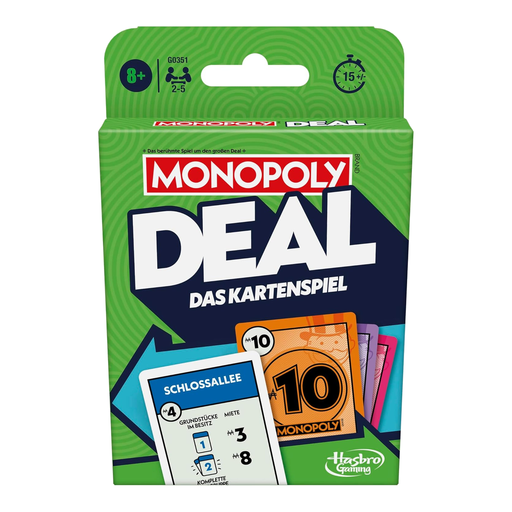
Why it suits this type of player: This card game is designed for 2 to 5 players, with games lasting around 15 minutes according to the product description. It needs neither batteries nor any set-up.
The compact card format takes up little space and needs minimal preparation. The recommended age of 8 and over and the player count are clearly stated.
110 cards, a compact format and rules designed for quick games.
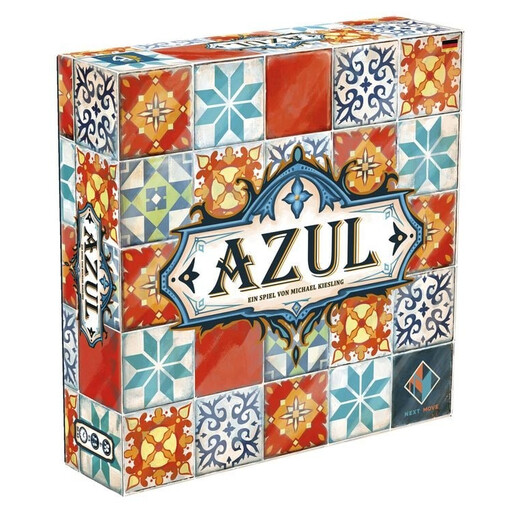
Why it suits this type of player: Azul combines straightforward rules with strategic decisions and is designed for 2 to 4 players aged 8 and over.
The product details give the player count, age recommendation and a playing time of around 30 to 45 minutes. This makes it easier to judge whether it’s the right fit before you buy.
German edition, no batteries required and a well-defined game for 2 to 4 players.

Why it suits this type of player: This co-operative detective game is aimed at players aged 10 and over and includes 16 crime cases on a large textile map.
The number of cases, map format and magnifying glass required are all clearly specified. This makes it easier to plan the space you’ll need and how the game will play.
Co-operative gameplay, instructions in German and extra cases according to the product description.

Why it suits this type of player: This music game is designed for teenagers and adults and can be played by up to 10 people, according to the product details.
The product description lists 225 music cards, Spotify compatibility and the required group size. This means you can check the digital requirements in advance.
German edition, 225 cards and a format for parties, game nights and music sessions for all generations.
We’ve put together a complete, regularly updated list of products that meet these strict selection criteria and fully comply with the safety regulations in force in the EU.
Games with clear rules, a manageable playing time and a stated age recommendation of 8 and over are a good choice. Depending on their interests, card games such as Monopoly Deal or board games such as Azul may be suitable options. What matters is whether children can read, count and make tactical decisions on their own.
For an evening with several people, two or three different types of game are usually enough: a quick card game to start, a longer board game and, optionally, a party game. This gives you options for different group sizes and attention spans.
Traditional board games and card games don’t usually have ongoing electricity costs after purchase. An electronic dartboard may need batteries or a mains supply. Nintendo Switch games require a compatible console; online features may also require an account, internet access or a paid membership. Check these details in the relevant product description before you buy.