
Lieferung heute & morgen

Qualitätsgarantie

Willkommens-Angebote freischalten: KOSTENLOSE Lieferung | Bis zu 80 % RABATT | Kostenlose 30-Tage-JoyPlus-Testphase
App herunterladen
A new board game should suit your family, group size and available time. In practice, though, unclear age recommendations, missing details about how a game works or a target audience that’s too narrow can quickly lead to the wrong purchase. When choosing board games for children and adults, it’s worth checking the product details rather than relying on general marketing claims.
A game for two to four people won’t necessarily work for a larger family or a party. Check the stated minimum and maximum number of players before you buy. For larger groups, games for 2 to 10 players or dedicated party games are often a better fit. Whether you can play in teams also affects how flexible a game is.
The age recommendation is a useful guide to the level of rule comprehension, reading ability and handling of small components required. A game for ages 8+ may not suit younger children, even if adults are playing too. For games for ages 8+, parents should also check that any text, numbers or strategic decisions are appropriate for their children’s stage of development.
Some music games require a smartphone, an internet connection or a Spotify account. In some escape room games, cards are folded, written on or cut up. This may mean the game isn’t designed to be played again. Check these limitations before buying to make sure the game suits how you plan to use it.
For a two-person household, co-operative board games or card games designed for exactly two players are a good choice. Families with several children, on the other hand, need a game that keeps waiting times short and involves several players at once. Party games, music games and games with team options are great for birthdays and sociable evenings.
A quick card game is easier to fit into everyday life than a complex strategy game that takes a long time to set up. Check the:
A large game board or fabric map needs plenty of space. With co-operative board games, it should also be clear whether everyone makes decisions together or takes on individual roles.
If children or casual players are taking part, the instructions should be available in German. For board games that use cards, easy-to-read text and clear symbols are helpful. Cardboard, paper and plastic components should be stored in a dry place and cared for according to the manufacturer’s instructions.
For products with small parts, check the age and safety information on the packaging. The CE marking, warnings and manufacturer’s details provide additional guidance, but they don’t replace checking whether a particular game is right for your group.
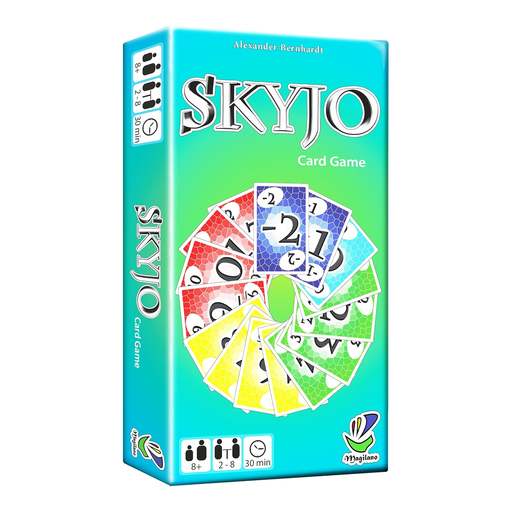
Why it suits this type of player: This card game is designed for 2 to 8 players aged 8 and over, and is quick to get started. It’s a good choice for family games and spontaneous games nights.
The player count and age recommendation are clearly stated. The rules involve turning over cards, swapping them and scoring points, without a lengthy set-up.
The box includes 150 cards, a score pad and instructions. The game is compact and doesn’t need batteries.
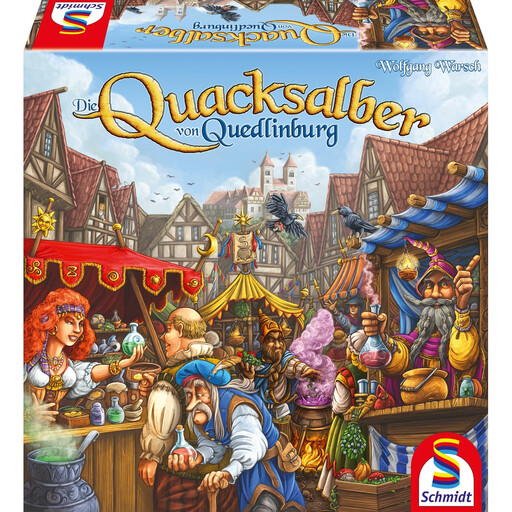
Why it suits this type of player: Designed for up to four players aged 10 and over, this game combines drawing ingredients from a bag, weighing up risks and building your own collection. It’s aimed at groups looking for more tactical decisions.
The product details give the recommended age, player count and materials. This helps buyers see in advance that they’ll need a larger table and time to explain the rules.
The game has its own ingredient system and doesn’t need batteries. The box measures approximately 29.5 × 29.5 × 7.8 cm.

Why it suits this type of player: This co-operative strategy game is designed specifically for two players aged 10 and over. Its 21 airport scenarios offer different challenges for couples or parents and children playing together.
The fixed player count helps avoid expecting it to work for a large family group. Its co-operative format puts shared decisions at the heart of the game, rather than direct competition.
The game doesn’t need batteries and includes 21 scenarios. The challenges vary by airport and task.
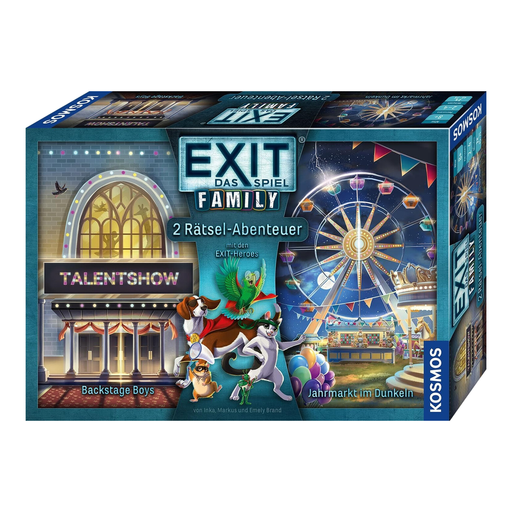
Why it suits this type of player: Two puzzle adventures for 2 to 4 players aged 8 and over make this a great choice for families, birthdays and themed games nights.
The beginner level and age recommendation are clearly stated. Buyers should still bear in mind that the puzzle materials may be altered during play.
The box contains two adventures and can optionally be used with the KOSMOS app. The recommended age starts at 8.
We’ve put together a complete, regularly updated list of products that meet these strict selection criteria and fully comply with the safety regulations in force in the EU.
Different categories may suit different groups:
Look for an age recommendation of around 8 and over, easy-to-understand rules and a manageable playing time. SKYJO and some co-operative family games can work well for mixed-age groups. Before buying more complex strategy games, check how detailed the rules are and how much reading is involved.
For regular family use, games for 2 to 6 players are often a flexible choice. For celebrations and larger groups, games for 8 to 10 players or those with team rules are more practical. Also check whether the maximum player count leads to long waits between turns.
Many traditional board and card games don’t need batteries or ongoing payments. Music games may require a smartphone, an internet connection and a Spotify account. Escape room games usually have no ongoing costs, but some can only be played once because the materials are altered during play.