Families who eat muesli regularly
A larger pack could be a good option if several people eat muesli on weekdays, enjoy the ingredients and can store the opened pack properly and finish it in good time.


For a family breakfast on a weekday, choose a pack that suits how quickly you’ll use it up and the ingredients you’re looking for; size alone shouldn’t decide it. A large pack of muesli makes sense as a store-cupboard staple if you eat it regularly, while cornflakes can be paired with different toppings and a multipack of cinnamon cereal is best suited to households with a clear favourite. Whichever you choose, compare the ingredients, allergen information and nutrition per 100 g.
At family breakfast time, the key question is whether everyone regularly eats the same variety or would rather add their own toppings to a shared base.
A larger pack could be a good option if several people eat muesli on weekdays, enjoy the ingredients and can store the opened pack properly and finish it in good time.
Milder cornflakes can be served with milk, yoghurt or fruit in different combinations. Even so, the ingredients in the shared base need to suit everyone eating it.
A multipack of cinnamon cereal is most useful if it’s a flavour your family enjoys regularly. Before buying, compare the sugar content and allergen information on the specific pack too.
First, work out how quickly your family will get through a pack. Then compare the exact recipe, and only after that consider whether everyone will enjoy the same variety.
| What to consider | What to check when buying | Who it matters most to |
|---|---|---|
| Pack size and how quickly you’ll use it | Compare the net weight with your household’s usual consumption and the storage instructions for after opening. | If several people have breakfast from the same pack on weekdays, I want to choose an amount that suits how quickly we’ll use it. For around 40% of consumers, planning their supplies would be the main reason to buy. |
| Recipe and allergens | Check the nutrition per 100 g, as well as the ingredients and allergen information for the exact variety. | If someone at the table can’t eat an ingredient, the shared pack needs to be suitable for them. For around 30% of consumers, the recipe and allergens would come first. |
| Flavour and variety | Compare a variety everyone can share with a milder base and separate toppings. | If people have different preferences, I don’t want to open a large pack that only some of the family enjoy. Around 30% of consumers would prioritise whether everyone likes the flavour. |
A larger pack only makes sense as a store-cupboard staple if your family eats that variety regularly and can store it properly after opening.
Before buying, estimate how often it’ll be on the breakfast table and follow the product’s storage instructions.
The Cini Minis multipack described by REWE contains 33% wholegrain; its nutrition information also lists 24 g of sugar per 100 g. One figure alone doesn’t tell you everything about the recipe.
Compare the nutrition information on the same per-100-g basis, and check the ingredients list as well.
The mueslis described here differ considerably. Seitenbacher Mühlen Müsli 1, for example, contains peanuts and soya, while familia Bio Birchermüesli Original contains hazelnuts and almonds.
Check the ingredients and allergen information for the exact variety on offer. If you’re not sure your family will enjoy it, consider trying a smaller pack first.
The details below apply to specific varieties and pack sizes, not to every product from each brand.
The Kellogg's shop lists Corn Flakes in a 500-g pack, made with maize, malted barley, sugar and salt.
The Cini Minis multipack described by REWE contains 625 g of cinnamon cereal.
Seitenbacher sells Mühlen Müsli 1 in a 1-kg pack, made with wholegrain spelt, oat and barley flakes.
bio-familia describes its Bio Birchermüesli Original as available in 575-g and 1.25-kg packs.
This selection includes oats as a versatile base, portioned breakfast mixes and a smaller pack of cinnamon cereal. The key is choosing ingredients and pack formats that work for your household.
 No image available
The four individual packs could make a useful oat base for a breakfast staple you enjoy regularly. The product description lists wholegrain oats and gluten; check the current pack for nutrition information to compare.
 No image available
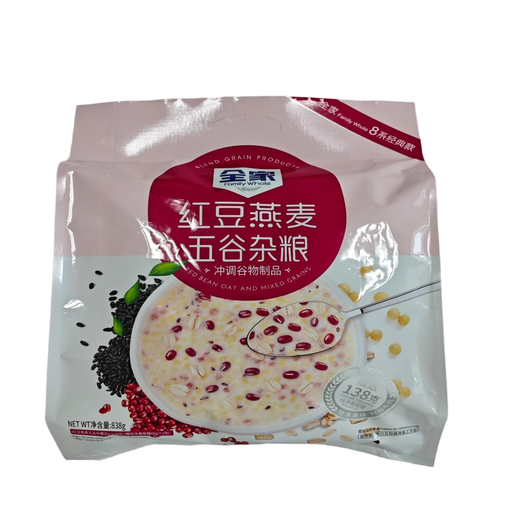
This portioned mix is an option if you like to make breakfast with hot water. According to the product description, the 838 g pack contains 700 g of mix in 20 portions and 138 g of separate glucose sachets. Ingredients listed include wheat, oats, soya, rye, barley and sesame. Take the sachets into account separately when comparing nutrition information.
 No image available
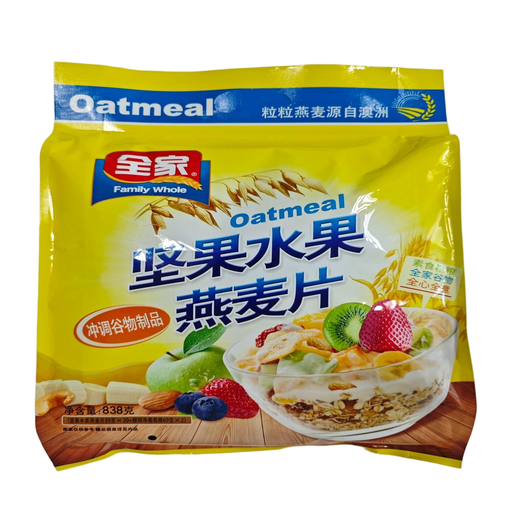
This portioned mix could be a good choice if you like nuts and fruit at the breakfast table. The product description lists 20 portions, 5% nuts and 4% fruit ingredients, as well as separate glucose sachets within the 838-g pack. It also lists wheat and soya. Check the current label particularly carefully, as the ingredients list and sugar information for the mix described do not match.
 No image available
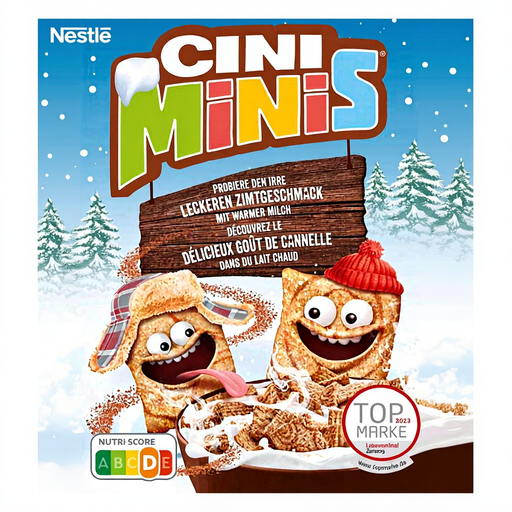
The 375-g pack is a good option if you fancy cinnamon flavour but don’t want to open a larger multipack. The description for this variety lists 33.7% wholegrain wheat flour and notes that it contains gluten and may contain traces of milk and nuts. Check the sugar content on the 375-g pack itself; information for the 625-g multipack is not a substitute.
A larger pack makes sense if several people eat that variety regularly and you can store it properly after opening and finish it in good time. Pay particular attention to the ingredients and allergen information: a larger pack doesn’t automatically make a recipe more suitable for everyone at the table.
To compare specific cereals, read the nutrition information per 100 g alongside the ingredients list. Lebensmittelklarheit explains that for these kinds of dry products, the Nutri-Score is generally based on the product as sold, before preparation. Check which basis is given on the pack you’re looking at.
Always check the ingredients and allergen information for the exact variety you’re buying. Depending on the variety, the products described here list ingredients such as barley or wheat, peanuts, soya and nuts, or warn of possible traces. Don’t assume that another pack size or variety has the same ingredients.