What should you look for when buying?
First check that the fridge compartment suits your fresh ingredients, then compare freezer space, energy consumption and installation requirements.
| Buying priority |
What to look for |
Who will find this particularly important? |
| Chilling cream and highly perishable ingredients |
Check the temperature controls and make sure the shelves are easy to reach and clean. Store cream covered and follow the packaging instructions. |
If I want to store opened cream and other fresh ingredients safely for a family meal, having a suitable fridge compartment is particularly important. Around 36% of consumers put storing fresh ingredients first. |
| Space for ingredients and supplies |
Compare fridge and freezer capacity in litres separately, and choose shelves and drawers to suit your needs. |
If you store leftovers, fresh ingredients and frozen food regularly, you’ll need to make sure both compartments are the right size. Around 29% of consumers prioritise usable storage space. |
| Energy consumption during everyday use |
Compare annual energy consumption in kWh and energy efficiency ratings across appliances of a suitable size. |
If I care more about ongoing energy costs than extra capacity or convenience features, annual energy consumption is a key point of comparison. Around 21% of consumers prioritise running costs. |
| Fit and door clearance |
Check the external or recess dimensions, required clearances, door hinges and swing radius. For built-in models, check that the mounting system is compatible too. |
If you have a fixed space or an existing kitchen recess, the appliance must fit the space and, where applicable, be compatible with the kitchen cabinetry. Around 14% of consumers put fit first. |
Joybuy products
These product options are freestanding fridge-freezers with space for fresh ingredients and a separately specified freezer compartment.
 No image available
LG GBBS727AEV Fit&Max, 375 l, energy class A
The specified 262 l fridge compartment and adjustable shelves suit households looking to keep fresh ingredients neatly organised.
Specifications include a 262 l fridge capacity, energy class A and 112 kWh/year. Temperature controls and a reversible door are also listed.
View at Joybuy
 No image available
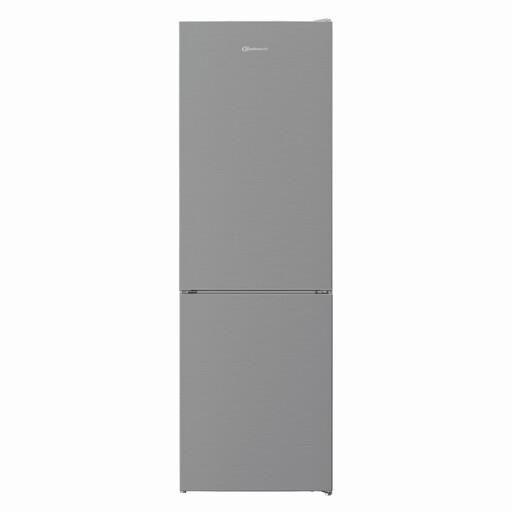
Bauknecht KGLR 185 IN, energy class C
The 223 l fridge compartment and height-adjustable glass shelves are useful for households that need space for several fresh ingredients.
Specifications include a 223 l fridge capacity, a 120 l freezer capacity, energy class C and 156 kWh/year. Three of the four glass shelves are height-adjustable. Despite LessFrost, the freezer compartment needs to be defrosted manually.
View at Joybuy
 No image available
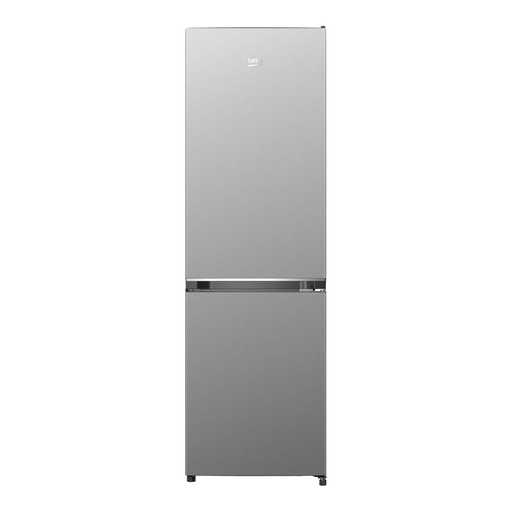
Beko B3RCNO255XB, 250 l, energy class D
A 180 l fridge capacity and four adjustable glass shelves provide specified space for fresh food.
This model has a 180 l fridge capacity and a 70 l freezer capacity. It also features No Frost, energy class D and a reversible door.
View at Joybuy
 No image available
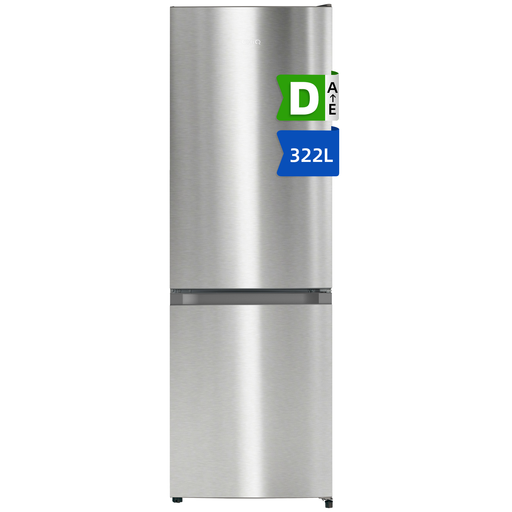
CHiQ JR318WSD, 322 l, energy class D
The specified 226 l fridge compartment is worth considering if you need more space for fresh ingredients than for frozen supplies.
Specifications include a 70/30 split, Total No Frost and dimensions of 59.5 cm wide and 63.5 cm deep.
View at Joybuy
 No image available
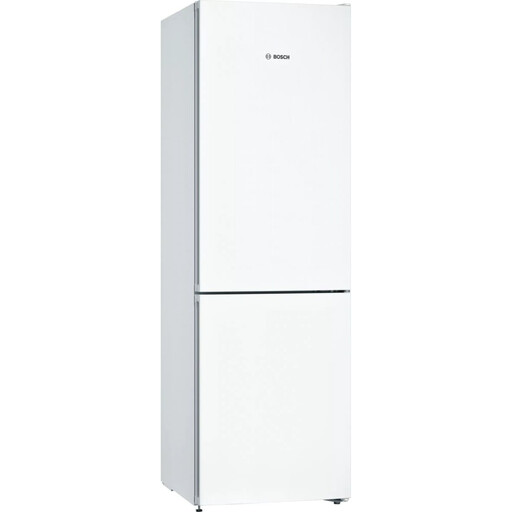
Bosch Serie 4 KGN36VWED, energy class E
The 237 l fridge compartment and separate temperature controls are useful if you plan to use the fridge and freezer differently.
Specifications include a 237 l fridge capacity, an 89 l freezer capacity, a width of 60 cm and a depth of 66 cm. Other listed features include NoFrost, a VitaFresh drawer with humidity control, a 0 °C drawer for meat and fish, and 238 kWh/year.
View at Joybuy
Frequently asked questions
Which shelf should opened cream go on?
Keep it covered in the fridge compartment and away from foods that could contaminate it. The German Federal Institute for Risk Assessment recommends storing highly perishable foods at between 2 °C and a maximum of 7 °C. Also follow the instructions on the specific cream packaging. There is no universal number of days for how long cream will keep once opened.
Does No Frost make storing opened cream safer?
No. No Frost is no substitute for a suitable fridge temperature or for storing cream covered and hygienically. The feature mainly reduces the effort involved in dealing with ice build-up in the freezer compartment.
What should I check before placing the appliance?
Measure the available space or recess, and check the door swing, required clearances and the instructions for the specific model. Where possible, don’t place the appliance next to a heat source or in direct sunlight. For a built-in appliance, the recess dimensions and door mounting must also be suitable.
How can I compare energy consumption?
For appliances of a suitable size, compare the annual energy consumption in kWh shown on the EU energy label. To estimate your own costs, multiply this figure by your electricity price per kWh. Consider delivery, installation and, where applicable, removal services separately.
What labelling and old-appliance disposal rules apply in Germany?
EU energy-labelling requirements apply to new refrigeration appliances in the relevant categories, including online listings. A fridge that has reached the end of its life must not go in household waste. The German Environment Agency states that you can return a large old appliance free of charge when buying a new appliance of the same type, including with online purchases that include delivery.


