
Lieferung heute & morgen

Qualitätsgarantie

Willkommens-Angebote freischalten: KOSTENLOSE Lieferung | Bis zu 80 % RABATT | Kostenlose 30-Tage-JoyPlus-Testphase
App herunterladen
Finding the right family game can quickly become a challenge. The market is flooded with colourful boxes, all promising fun and entertainment. But all too often, an expensive game ends up in the closet after just one round, never to be seen again. As your Joybuy Product Recommendation Officer, I'll help you navigate the common pitfalls and make a choice that's a perfect match for your family.
Many shoppers fall into the same traps, leading to disappointment and wasted money. Here are the most common problems:
To avoid these problems, you should check a few objective criteria before buying.
Instead of being swayed by marketing promises, focus on three verifiable core parameters. These will help you realistically assess a product's longevity and fun factor.
The core mechanic determines how often a game will make it to the table. A key distinction is between competitive and cooperative games.
High replay value often comes from variable elements: a modular game board, different character abilities, or a large number of event cards ensure that no two rounds are ever the same.
The manufacturer's age rating is a starting point, but nothing more. Judge the complexity for yourself by paying attention to the following points:
A good family game is an investment in time together. The quality of the components is crucial for its longevity.
To make your decision easier, we've matched a few games to different player profiles.
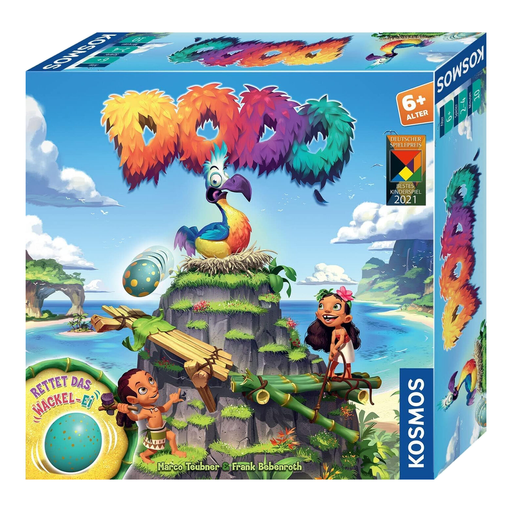
Why This Fits Their Persona: Ideal for families who prefer to win or lose together. The goal of saving the rolling egg bonds players and avoids the competitive struggles that often lead to frustration in mixed age groups. A perfect gift for children who are learning about teamwork.
The game escapes the "one-and-done" trap thanks to its high-tension gameplay. The unpredictably rolling egg creates new, exciting moments in every round.
Promotes teamwork and communication. The high-quality 3D game components provide a satisfying tactile experience.
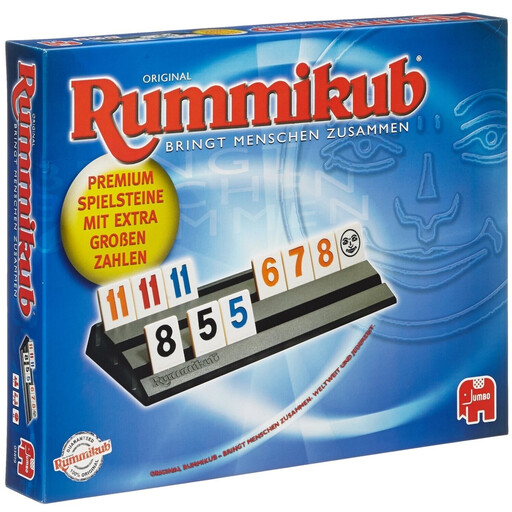
Why This Fits Their Persona: Perfect for families with older children (ages 7-8 and up) who appreciate a mix of luck and strategic thinking. The rules are quick to learn, but the game offers enough depth to keep adults engaged for the long haul.
The XXL version with extra-large number tiles bypasses the trap of an unsuitable age rating by improving readability for all generations—from children to grandparents.
Extremely high replay value due to countless combination possibilities. Promotes logical thinking and forward planning.
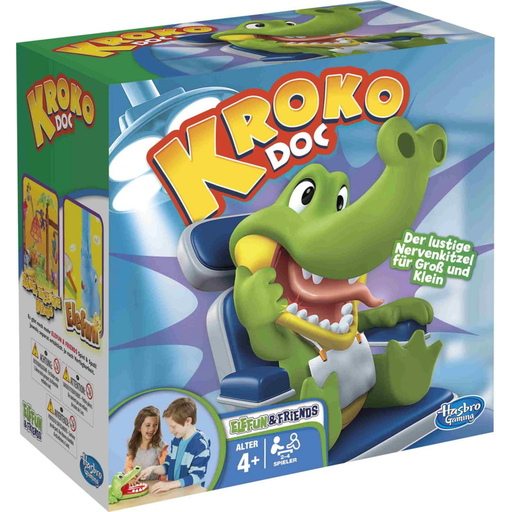
Why This Fits Their Persona: For families looking for a simple game with an instant fun factor. Ideal for younger children (ages 4 and up) and short attention spans. It requires no explanation, no setup, and is guaranteed to generate laughs and suspense.
It avoids the deceptive quality trap. The game is made of sturdy plastic designed for repeated, even energetic, play. The surprise effect works every single time.
Extremely simple rules and fast gameplay. Promotes fine motor skills and turn-taking.
We have compiled a complete, up-to-date list of products that fully meet these strict selection criteria and German safety regulations.
Look for games with simple core rules that still allow for strategic depth. Cooperative games are often a great choice, as older players can help younger ones. Games with a high luck factor or dexterity elements also help level the playing field. Another option is games that offer different difficulty levels or rule variants for different age groups, such as Monopoly Junior with its two-sided game board.
A cooperative game is a board or card game where all players work together to achieve a common goal. You win or lose as a team against the game itself. This type of game is excellent for families who want to avoid direct competition, as well as for strengthening team spirit and communication skills. They are especially well-suited as a gift for children who don't like to lose.
Store game boxes flat, not vertically on their sides. This prevents the internal components from shifting and causing the box to bulge or become damaged. Keep the games in a dry place away from direct sunlight to prevent colours from fading and the cardboard from warping due to moisture. For games with many small parts, using small resealable bags or organizer boxes can help maintain order and prevent pieces from getting lost.