
Lieferung heute & morgen

Qualitätsgarantie

Willkommens-Angebote freischalten: KOSTENLOSE Lieferung | Bis zu 80 % RABATT | Kostenlose 30-Tage-JoyPlus-Testphase
App herunterladen
Family games should bring people of different ages together around the table, be easy to understand and get played long after the first game night. In practice, though, unclear age guidance, overly long games or a game mechanic that isn’t right for your group can quickly lead to a disappointing purchase. So whether you’re looking for family board games, family card games or games for adults and children, don’t make your choice based on the packaging, design or marketing claims alone.
“Age 8+” doesn’t mean younger children will automatically be able to join in without difficulty, even with a little help. Rules, reading, concentration and the fine motor skills required can vary considerably. For a household with children aged 6 and over, a fast-paced reaction game may be a better choice than a complex strategy game, even if both are described as family games.
A game listed as taking 30 to 45 minutes won’t suit every occasion. Compact card games are often more practical when you’re playing with younger children, a changing group of players or limited time. For longer strategy games, it’s also worth checking whether you can pause between turns or explain the rules in stages.
A co-operative board game, a dice game and a bluffing or reaction game will appeal to different tastes. If you’re expecting a relaxed game, you might be disappointed by a fast-paced card game. On the other hand, a very tactical game may feel too challenging for casual players. The key things to consider are the mechanics, the number of players and the age of the youngest person playing.
First, check the manufacturer’s official age recommendation. For example, according to Schmidt Spiele’s product information, “Hands Up” and several versions of Ligretto are for ages 8 and over, while “DOG” is listed for 2 to 6 players aged 8 and over. For games for children aged 6 and over, a game with short rules and clear actions may be a better choice than one with lots of special rules.
Also check:
The mechanics shape how your game night unfolds:
A useful way to narrow down your options is to ask whether your group would rather solve puzzles together, plan tactically, have a laugh or play several quick rounds.
Cards and game pieces should be suitable for their intended use. Small parts can pose a choking risk for children under 3. According to Schmidt Spiele’s product information, “DOG”, “Die Quacksalber von Quedlinburg”, “Bingo” and “Kniffel”, among others, carry relevant warnings. Check the warnings on the packaging before buying and before use.
The size of the packaging can also matter. Small card games with box dimensions of around 10 × 10 × 6,8 cm are easier to store or take with you. Larger board games, on the other hand, need enough table space and a dedicated place to store them.
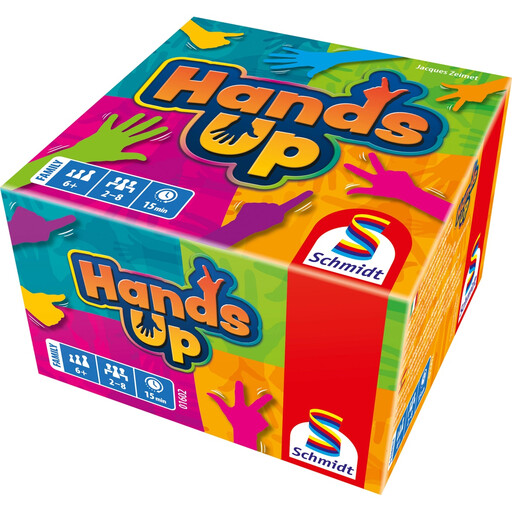
Why this product suits this type of player: According to Schmidt Spiele’s product information, this card game is for ages 6 and over and doesn’t require batteries. Its rules focus on quick hand movements, making it well suited to short games.
The age recommendation of 6 and over makes the intended age group clearer than the general label ‘family game’. The compact box is easy to store.
For ages 6 and over; no batteries required; sturdy cards, according to the product description.
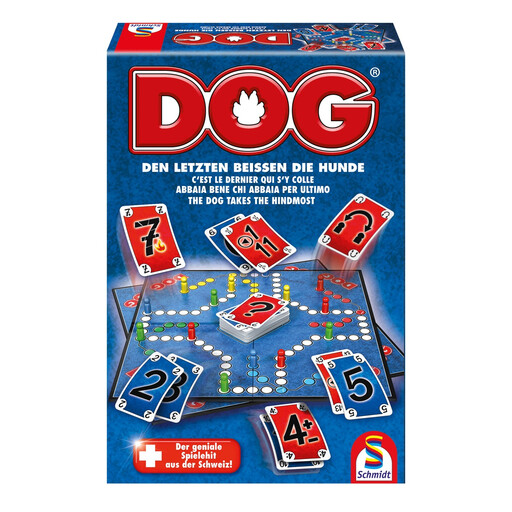
Why this product suits this type of player: According to Schmidt Spiele’s product information, DOG replaces dice rolls with playing cards. It’s listed for 2 to 6 players, with games lasting around 30 to 45 minutes.
The number of players and approximate playing time are clearly stated. That makes it easy to check in advance whether the game is right for your planned game night.
For 2 to 6 players; card-based mechanics instead of dice; recommended for ages 8 and over.
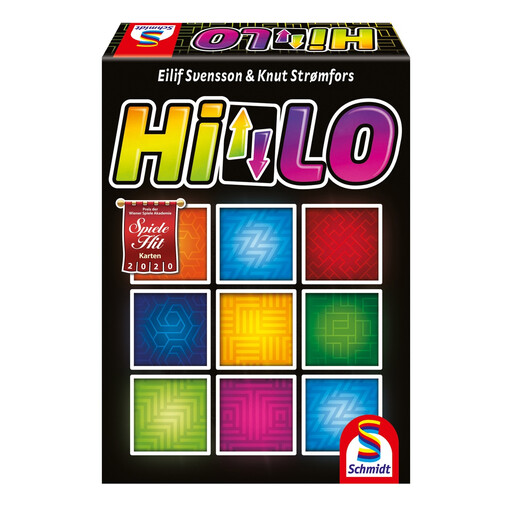
Why this product suits this type of player: According to Schmidt Spiele’s product information, HiLo is for ages 8 and over, is quick to explain and can be played again and again. This card game is a good fit for groups who enjoy several short rounds.
The clear round structure reduces the risk of choosing a game that takes too long for everyday play.
For ages 8 and over; compact dimensions of 18 × 13 × 4 cm, according to the product information; several short games can be played.
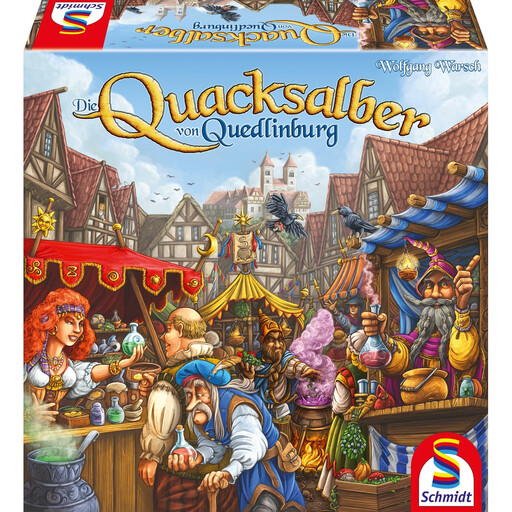
Why this product suits this type of player: According to Schmidt Spiele’s product information, this board game is for up to four players aged 10 and over. Drawing ingredients from your own bag combines luck with tactical decisions.
The age recommendation of 10 and over makes it clear that this game isn’t intended for every group of children. Its mechanics are explained clearly before you buy.
For up to 4 players; recommended for ages 10 and over; replayable mix of drawing ingredients from a bag and buying new ones.
We’ve put together a complete, regularly updated list of products that meet these strict selection criteria and fully comply with the safety regulations in force in the EU.
Games with short rules, clear symbols and few small parts are a good choice. According to Schmidt Spiele’s product information, “Hands Up” is suitable for ages 6 and over. What matters most is whether your child understands the rules and can handle the game materials safely.
Games that are easy to get started with but still offer tactical choices, such as DOG or HiLo, which are for ages 8 and over, often work well for mixed-age groups. If there’s a big age gap, use the youngest player’s age as your guide. A team mode can also help when players have different levels of experience.
How long a game lasts depends on the quality of its materials, how it’s stored and how often it’s played. Keep cards clean and dry, make sure all the pieces stay together and avoid overfilling the box. Games with different ways to play or short rounds are often more flexible for everyday use, as they can be adapted to different groups and the time you have available.