
Lieferung heute & morgen

Qualitätsgarantie

Willkommens-Angebote freischalten: KOSTENLOSE Lieferung | Bis zu 80 % RABATT | Kostenlose 30-Tage-JoyPlus-Testphase
App herunterladen
A good family game brings different age groups together, has easy-to-follow rules and doesn’t end up gathering dust in the cupboard after a few rounds. When choosing, concrete details such as age recommendation, number of players, playing time and gaming system matter more than eye-catching packaging or familiar characters.
“Suitable for ages 8+” is the manufacturer’s guide, but it doesn’t automatically tell you whether a child will understand the rules or enjoy playing for a long time. A game with lots of special rules may be more challenging for younger children than another game with the same age recommendation. So check whether the game calls for reading, mental arithmetic, strategic planning or quick reactions.
Many family board games only work with four or more players, while others are designed for just two to four. So a big party game may not be right for a two-person household. With card games, too, check that the stated minimum and maximum number of players suits the group you usually play with.
When choosing Nintendo Switch games, first check whether the game is for Nintendo Switch or Nintendo Switch 2. Online features may also require an internet connection and a paid Nintendo Switch Online subscription. For digital games, remember to check the storage requirements and any optional extra content.
Check the manufacturer’s age recommendation and the German USK rating for video games. Small playing pieces, dice or cards can pose a choking risk for children under three. An age recommendation is no substitute for supervision, especially when younger siblings are playing too.
Clear details are especially useful when choosing games for a regular family games night:
The actual playing time depends on players’ ages, familiarity with the rules and pace of play. A short game makes it easier to get started and reduces the chance of younger children losing interest before the end.
Dice games such as Kniffel combine chance with decisions about which results to use. Strategy games such as Rummikub call for players to spot runs and groups. Communication games such as Taboo, on the other hand, rely on language skills and quick explanations.
For video games, you should also distinguish between single-player and multiplayer modes. An expansive role-playing game for Nintendo Switch may have a long storyline, battles and complex menus. That doesn’t necessarily make it suitable for primary-school-aged children.
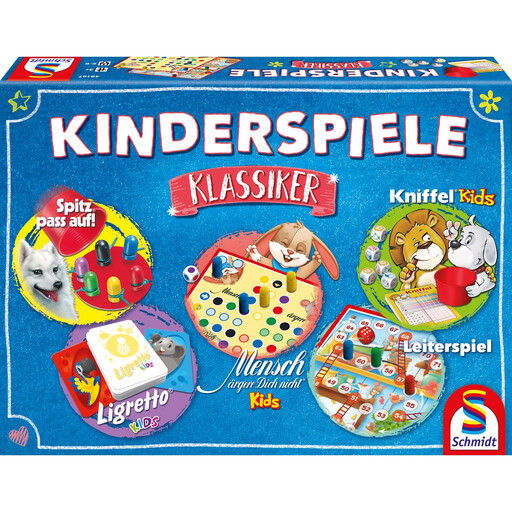
Why it’s a good fit: According to the product information, this collection is for children aged 3 and over and includes five classic games, among them Mensch ärgere dich nicht, Kniffel Kids and Ligretto Kids. With several variations on the rules in one box, it offers plenty of choice for families with children aged around 6 and over.
The collection doesn’t tie you to a single type of game. Short, familiar rules make it easy to get started, and you can choose a game to suit the ages of the players.
Five games, no batteries and an age recommendation of 3+. However, keep the small parts away from children under three.
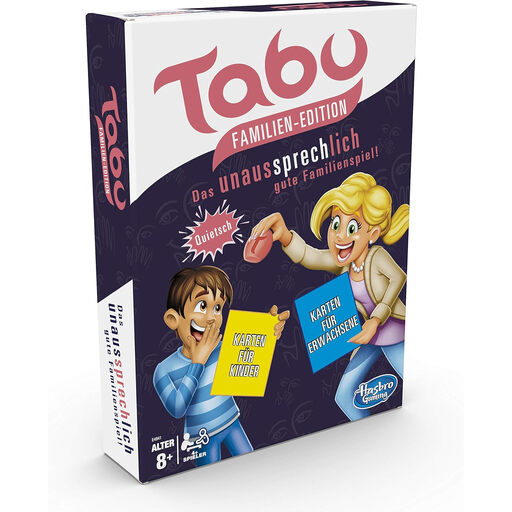
Why it’s a good fit: This edition has separate card sets for children and adults, is recommended for ages 8 and over, and is designed for four or more players. That makes it well suited to family game nights and larger gatherings.
The separate card sets take different vocabularies into account. So the age recommendation is reflected in the game itself, not just stated on the packaging.
260 cards featuring more than 1,000 words, a sand timer and a game that’s quick to set up. At least four people are needed to play.
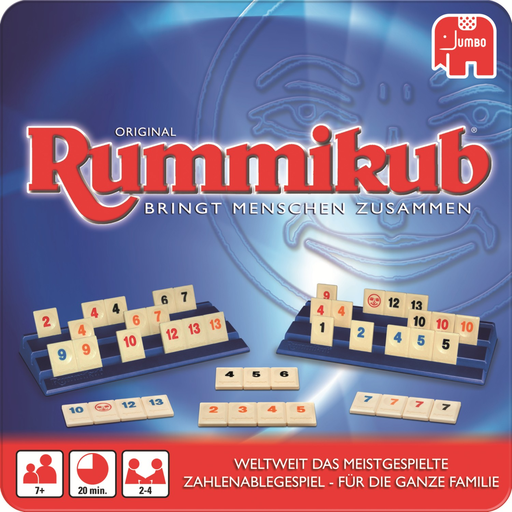
Why it’s a good fit: Rummikub is designed for two to four players aged 8 and over. According to the product description, a game takes around 20 minutes. It’s a good choice for regular, shorter games and makes a thoughtful gift for families who enjoy playing together.
The product details specify the number of players, playing time and materials. That makes it easier to check whether the game suits your household and the group you want to play with.
106 plastic tiles, four racks and German-language instructions. The pieces are small, so the game isn’t suitable for children under three.
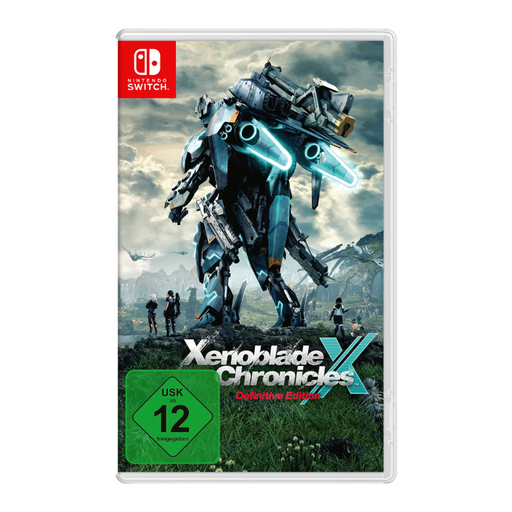
Why it’s a good fit: This role-playing game is for Nintendo Switch, has a USK 12 rating and offers both single-player and online multiplayer features. It’s therefore better suited to teenagers and adults than younger children.
The platform, age rating and online requirements are clearly stated. This helps reduce the risk of buying a game for the wrong console or an unsuitable age group.
An open world, customisable character, Skell mechs and online play for up to 32 people, according to the product details. Online features require Nintendo Switch Online.
We’ve put together a complete, regularly updated list of products that meet these strict selection criteria and fully comply with the safety regulations in force in the EU.
For themed game nights, Harry Potter games such as Monopoly Harry Potter or the “Monster Box of Monsters” expansion are worth considering. The latter requires the base game “Harry Potter – Kampf um Hogwarts” and is recommended for ages 11 and over. For younger children aged 6 and over, dominoes with extra-large pieces or a classic collection of games are good options.
If you’re looking for a family game for ages 8 and over with a short learning curve, you could also consider Monopoly Deal, Kniffel, Bingo or MyRummy. Before buying, think about whether you want a game that’s mainly about luck, communication, planning or taking time over decisions.
Games with straightforward rules, clear turns and a moderate playing time are a good choice. Dominoes for ages 6 and over or a collection of classic games with several variations can be a flexible way to get started. For children aged 8 and over, options include Kniffel, MyRummy, Monopoly Deal and Taboo Family Edition.
How long a game lasts depends mainly on the materials, how it’s stored and how often it’s played. Cards and playing pieces will last longer if they’re kept clean, dry and complete in the original box. If a game has small parts, parents should regularly check that none of the components are damaged.
A board game lets everyone interact directly and generally doesn’t require any extra technology. A Nintendo Switch game may be a better fit if teenagers or adults prefer a longer single-player story or digital multiplayer features. Check the age rating, platform compatibility and any online costs before buying.