
Lieferung heute & morgen

Qualitätsgarantie

Willkommens-Angebote freischalten: KOSTENLOSE Lieferung | Bis zu 80 % RABATT | Kostenlose 30-Tage-JoyPlus-Testphase
App herunterladen
Looking for games and puzzles for children and families may seem straightforward at first. In practice, however, unclear age recommendations, unsuitable playing times and packaging that is difficult to transport often lead to disappointing purchases. For example, a puzzle may be approved for a particular age group but still be too challenging because it contains many similar colours. A family game, meanwhile, may be suitable for eight people but offer far less variety when played by two.
“From 6 years” provides guidance, but does not automatically indicate the level of difficulty for every child. Other important factors include the number of pieces, the complexity of the rules and the reading skills required. A LEGO set from age 6 is suitable for children who enjoy building by following instructions. A strategy game with lots of rules, on the other hand, may require more support despite having the same age recommendation.
For puzzles, parents and grandparents should look for large, easy-to-grip pieces, clear pictures and an easy-to-follow template. A children’s puzzle from age 2 has different requirements from a puzzle from age 4 with 24 or 48 pieces.
Family games often combine different skills. This can work well when the rules and playing time are suitable. A game lasting 45 minutes may be appropriate for older children and adults, but too long for younger players. With board games for children and family games from age 8, it is therefore worth checking the number of players, game mechanics and round length.
Travel games for children are practical for holidays, train journeys or visits to relatives. However, playing pieces, cards and dice need to be stored securely. A compact box containing lots of loose pieces can create more hassle on the go than a slightly larger game with a clearly organised interior.
The manufacturer’s age recommendation should be considered alongside the child’s actual development and playing experience. The warning notice is particularly important for products containing small parts. Several of the games featured are expressly unsuitable for children under three, as they may contain small parts that could be swallowed or inhaled.
For a puzzle from age 4, 24 pieces are often a manageable starting point. The Ravensburger 6152 A Day at the Dock Puzzle contains 24 pieces and a search game featuring ten picture elements. The Ravensburger My First Puzzle with animal motifs is designed for children from age 2 and contains several puzzles with increasing levels of difficulty.
Check whether the usual size of your family is covered. Card games for families are often suitable for several people and can be explained quickly. The AMIGO Wizard card game is designed for 3 to 6 people aged 10 and over and takes approximately 45 minutes according to the product details. UNO is intended for 2 to 10 people from age 7.
For younger children, cooperative games can be a good choice when making decisions together is the main focus. With competitive games, parents should consider whether elimination, time pressure or large differences in scores could lead to frustration.
Puzzle pieces made from sturdy cardboard can be reused repeatedly with normal use. When buying, it is also worth considering the storage solution, dimensions and cleaning instructions. The Schmidt Spiele “Vehicles” puzzle contains four puzzles with 26 and 48 pieces respectively and is stored in a metal case.
For building sets, the size of the completed model and the space available are just as important as the number of pieces. The LEGO Friends Heartlake City Candy Store Set 42649 contains 376 pieces and is designed for children from age 6. The LEGO Wednesday Nevermore Academy Set 76788 contains 890 pieces and is intended for people aged 10 and over.
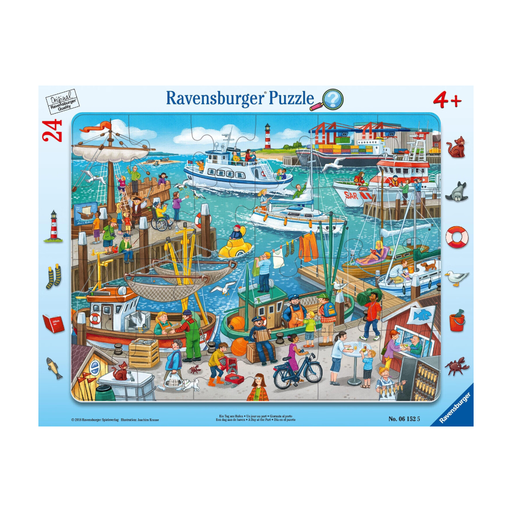
Why this product suits this profile: This 24-piece frame puzzle provides a clear introduction for children from age 4, combining the fun of putting the puzzle together with a search activity.
The number of pieces and the age recommendation are clearly stated. The frame helps children find their bearings instead of presenting a confusing picture without guidance.
24 pieces, sturdy cardboard, a search game with ten picture elements and no batteries required.
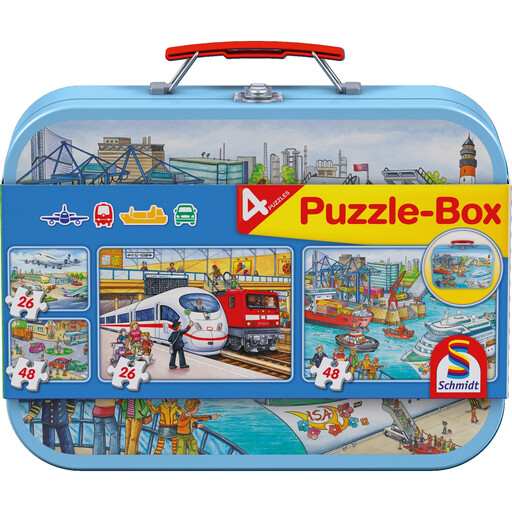
Why this product suits this profile: Four vehicle pictures, different piece counts and a metal case provide variety for children from age 4.
The box also serves as storage. Puzzle posters with cut lines make it easier to get started, without limiting the pictures to just one level of difficulty.
Two puzzle sizes, four pictures, a metal case and a matt surface according to the product description.
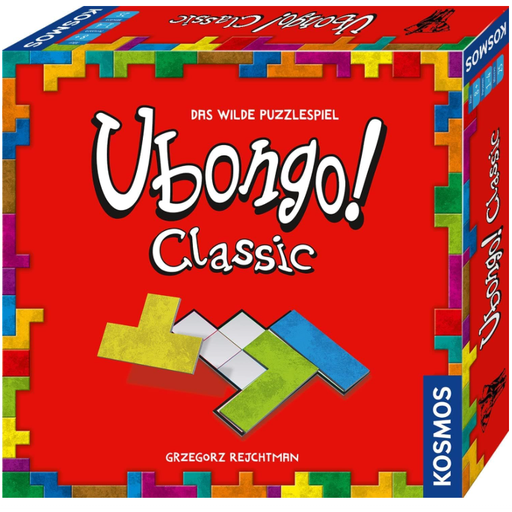
Why this product suits this profile: Ideal for families with children aged 8 and over who want a fast-paced logic and strategy game with everyone playing at the same time.
Two difficulty levels allow the game to be adapted for different players. The information for 1–4 people and 648 challenges makes the scope of the game clear.
1–4 players, two levels, 648 challenges and an optional KOSMOS explanation app.
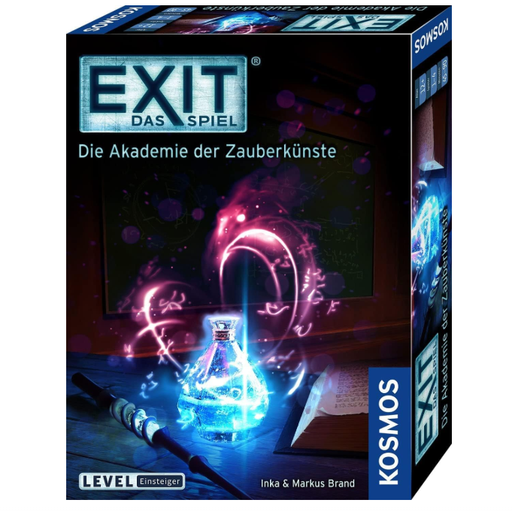
Why this product suits this profile: This cooperative escape-room game is designed for 1–4 people aged 10 and over, making it ideal for a focused games evening.
The “Beginner” level and number of players are clearly stated. Important: folding, writing on or otherwise altering the materials means the game can only be played once.
Cooperative gameplay, Beginner level, optional app and compact dimensions of 13 × 18 × 4 cm.
We have put together a complete, regularly updated list of products that fully meet these strict selection criteria and the safety regulations applicable in the EU.
This depends on the picture, the child’s experience and the design. 24 pieces with a frame or template are often a manageable starting point. Sets with 26 and 48 pieces then offer a graduated challenge. Watch to see whether the child sorts and assembles the pieces independently, rather than comparing only the number of pieces.
When stored in a dry, clean place, cardboard and plastic pieces can be reused for a long time. Their actual lifespan depends on frequent shuffling, bending, moisture and missing pieces. Games with a dedicated storage solution are usually easier to keep complete. One-play escape-room games are an exception, as their materials are altered while solving the puzzles.
No. The label is no substitute for checking the specific rules. The key factors are age, objective, duration, number of players and whether the child wants to play alone or together with others. The right game combines clear, manageable requirements with a design that suits the family’s interests and everyday life.