If you can reuse a suitable monitor, a mini PC is a space-saving option. If you’re buying the screen and computer together, an all-in-one PC can make setup simpler. A separate desktop is worth considering if you have the space and want to check the ports or storage on a specific configuration. Whatever form factor you choose, make sure it’s compatible with your genealogy software and keep research files backed up separately. You can set up separate user accounts in Windows, as explained by Microsoft Support.
Which option is right for you?
Reading sources together at one table
If you compare archive records with your own notes, consider how easy the screen is to read and how much room the complete setup needs. The Federal Archives’ invenio service lets you search for archival records and view digitised material; the Federal Institute for Occupational Safety and Health covers screen-based work in ASR A6.
Families sharing research files
If several people use the same PC, separate user accounts can keep personal files and browser settings apart. Microsoft Support explains how to do this in Windows. You can decide during setup which research files should be shared.
Collectors of digital certificates and photos
If you manage lots of documents and images, plan for storage, ports for your existing devices and a separate backup. The consumer advice centre highlights the risk of data loss, while the Gramps project lists Windows, Linux and macOS as supported systems for its genealogy software.
What should you look for when buying?
Mini PC with a separate monitor
A good fit if: you need to save desk space for the computer or want to reuse a suitable monitor.
Things to consider: a monitor isn’t automatically included, and ports and upgrade options vary by model. MSI lists drive options and ports specifically for the Cubi NUC 1M.
All-in-one PC
A good fit if: you’re buying the screen and computer together and prefer a tidy workspace.
Things to consider: the screen is part of the device. Lenovo describes the IdeaCentre AIO Gen 10 as a range with an integrated 24-inch screen. Check the specific configuration for readability, adjustability and ports.
Separate desktop
A good fit if: you want to use an existing monitor and factor in storage or peripheral upgrades when choosing your PC.
Things to consider: the case takes up desk space. Features and upgrade options depend on the specific configuration, as the manufacturers’ information for HP and MSI ranges shows.
| Buying priority |
What to check before buying |
Who is it important to? |
| Readability and desk space |
Check your existing monitor, ports, screen position and the space needed for the complete setup. |
If you want to read sources and notes side by side, the right screen matters just as much as a compact computer. Around 28% of consumers put readability and usable desk space first. |
| Backing up research files |
Plan for your storage needs and a practical way to keep backup copies separately. |
If you’re collecting certificates, photos and notes for the long term, don’t keep the only copy on the same internal SSD. Around 22% of consumers prioritise backing up their research files. |
| Separate user accounts and shared files |
Check the operating system, user accounts and the access you want to give people to shared files. |
If several people use the same PC, you’ll want to keep personal files separate and make agreed research files easy to find. Around 22% of consumers prioritise organised sharing. |
| Software and device compatibility |
Compare your genealogy software’s system requirements with the video and USB ports on the specific PC configuration. |
If you already use particular genealogy software or have existing devices, make sure they’ll work with the system you choose. Around 17% of consumers put this compatibility first. |
| A complete workspace and support |
Check what’s included, whether you need a monitor and operating system, and the seller, statutory rights and any voluntary warranty separately. |
If you want to know exactly which components you’ll need and who to contact if something goes wrong, it’s worth looking at the complete package. Around 11% of consumers prioritise a complete workspace and support. |
Common buying misconceptions
-
Comparing just the small computer case with an all-in-one
A mini PC and an all-in-one don’t include the same parts of a workspace. With a mini PC, you’ll need to already have a suitable monitor or budget for one; the ports also need to work with your existing devices.
Compare the setup with the monitor you plan to reuse. Check everything included in the box and whether you’ll need any connection adapters.
-
Assuming more SSD storage means your data is backed up
A larger internal SSD won’t protect you from data loss caused by a technical fault or other problems. The consumer advice centre recommends planning for backups independently of your internal storage.
Keep backup copies separately and check that you can restore your files from them.
-
Assuming a product range name tells you what’s included
The operating system and components can vary between configurations in the same range. HP specifically notes that features and components vary across the M01 range.
Check the full model number and exactly what’s included. A free Windows 10 transition option that ran until October 2026 expired on 3 November 2026; the consumer advice centre describes this period for the European Economic Area.
Relevant brands at a glance
HP
The OmniDesk is a separate desktop, while the M01 is another office desktop range for setups with a separate monitor.
- For a German OmniDesk configuration, HP Store Germany lists Windows 11 Home and an SSD.
- HP Support says features and components vary by configuration within the M01 range.
MSI
The Cubi NUC 1M is a mini PC, while the PRO DP80 A14G is a compact separate desktop, offering options for different space and connectivity needs.
- MSI lists video outputs and drive options for the Cubi NUC 1M.
- MSI lists several configurations for the DP80 A14G. Check the operating system and features of the specific model.
GEEKOM
The A5 Pro 2026 Edition is a mini PC for a setup with a separately chosen monitor.
- GEEKOM describes the A5 Pro 2026 Edition in Germany as a model with Ryzen 5 7530U, 16 GB and 1 TB.
- These specifications apply to the named edition; a similar name doesn’t mean older A5 Pro configurations are identical.
Lenovo
The IdeaCentre AIO Gen 10 is an all-in-one alternative with an integrated screen.
- Lenovo Germany describes the range as having an integrated 24-inch screen.
- Check the adjustability, ports and other features of the configuration you choose.
Apple
The Mac mini is a separate desktop option if the genealogy software you actually use supports macOS.
- Apple lists external display connections and a range of storage options for the Mac mini.
- Check that your specific software and existing devices are compatible; manufacturer specifications aren’t a substitute for independent performance testing.
Joybuy products for a mini PC setup
The models below are mini PCs for use with a separately chosen monitor. Before choosing one, check that its ports match your existing screen and that the listed configuration supports your software.
 No image available
SOYO Y5Pro Mini PC, Intel Core i5-8250U/8350U, Windows 11, 8 GB DDR4, 256 GB SATA SSD
Could be worth considering if you’re looking for a Windows PC with HDMI outputs and a separately chosen monitor.
Listed specifications include Windows 11, 8 GB DDR4, a 256 GB SATA SSD and two HDMI outputs.
View at Joybuy
 No image available
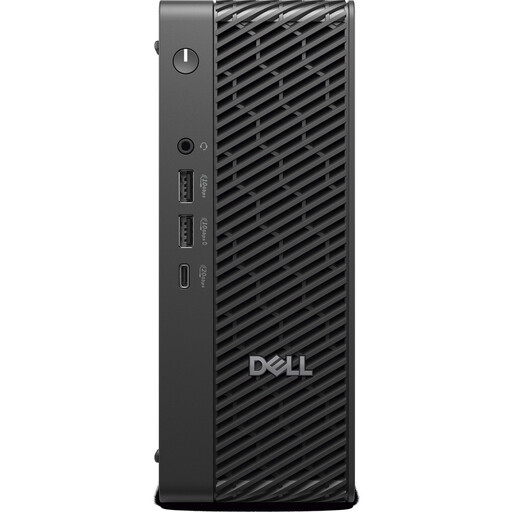
Dell Pro Max Micro FCM2250 TPM, Core Ultra 7 14-Core NPU, 16 GB DDR5, 512 GB M.2 PCIe SSD
An option if you’re looking for a micro desktop with Windows 11 Pro and ports for your existing devices.
The listing specifies 16 GB DDR5, a 512 GB M.2 PCIe SSD and Windows 11 Pro. HDMI, DisplayPort and USB are listed as ports.
View at Joybuy
 No image available
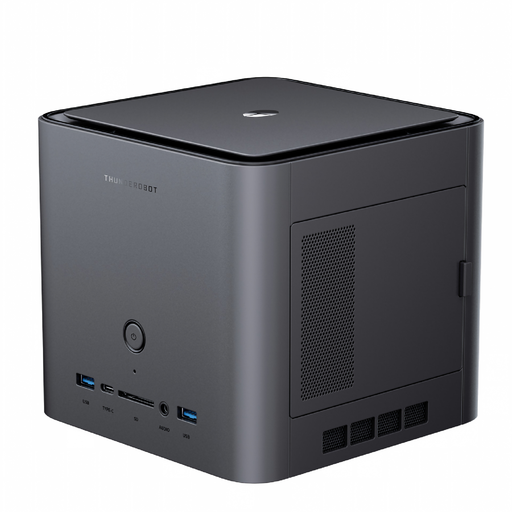
Thunderobot Mini PC Workstation AI Max+ 395, 128 GB LPDDR5X, 1 TB SSD
Could suit a setup with a separate monitor if the listed storage meets your needs for locally stored research files.
Listed specifications include 128 GB LPDDR5X at 8000 MT/s and a 1 TB SSD.
View at Joybuy
 No image available
ACEMAGIC AK1PLUS Mini PC, Intel Celeron N5095, 16 GB LPDDR4X, 256 GB M.2 2280 SATA SSD
An option if you need Windows 11 Pro and two HDMI outputs for your screen setup.
The listed specifications include 16 GB LPDDR4X, a 256 GB M.2 2280 SATA SSD, HDMI 2.0 and Windows 11 Pro. The product description also mentions a VESA mount and dimensions of 128 × 128 × 51,5 mm.
View at Joybuy
 No image available
MaxMini B3 Mini PC, Intel N4100 up to 2.4 GHz, 8 GB LPDDR4, 256 GB SSD
Could be a good fit if you’re looking for a mini PC with two HDMI ports and a separately chosen screen.
Listed specifications include 8 GB LPDDR4, a 256 GB SSD and two HDMI ports. The product description says to use the supplied power adapter, keep the device in dry indoor conditions and leave the ventilation openings clear.
View at Joybuy
Frequently asked questions
Do all family members have to use the same user account?
No. You can set up separate user accounts in Windows; Microsoft Support explains how this keeps personal files and browser favourites separate. During setup, also decide which research files should be shared.
How can I keep certificates and photos safe if my PC breaks?
A copy on the same internal SSD isn’t a separate backup. The consumer advice centre explains backup strategies. Keep separate backup copies and check that you can restore files from them.
Do I have to use Windows for family history research?
Not necessarily: the Gramps project lists Windows, Linux and macOS as supported systems. What matters is whether the genealogy software you actually use and your existing devices are compatible with the specific configuration.
Who should I contact in Germany if the PC I bought has a fault?
For your statutory rights, contact the seller. A warranty is a voluntary service with its own terms; the consumer advice centre clearly distinguishes between statutory rights and a warranty.
Can I use a PC to access all personal archive records automatically?
No. The Federal Archives sets out closure periods and possible restrictions on access to its collections; contact them about access and conditions for a specific record. This guidance applies to Federal Archives material and shouldn’t be assumed to apply to every archive.


