When choosing a laptop for a family letter archive, start with how you manage your files. Whether you use Tropy, Gramps or Zotero, and where you store the original scans, will help determine which operating system and storage capacity are right for you. Then consider screen size and ports, for example for a scanner and backup drive. A laptop alone won’t back up your original files or preserve their links: according to its own documentation, Tropy refers to the stored photos, while the Federal Office for Information Security recommends keeping backups.
Who is this buying guide for?
Keeping sources linked
You want to reopen the right letter scan from every index entry, and keep file paths intact even when you change computers. Zotero Documentation describes relative paths for linked files within a base folder; Tropy Documentation explains that the programme refers to photos rather than creating an extra copy.
Transcribing letters
You read and describe lots of pages, record metadata or transcriptions, and want to work on the letter and index comfortably on screen. Tropy explains how photos of several pages of a letter can be grouped under one entry.
Researching family history on the move
You work on letters in different places and want to organise and back up your project files and original scans together. The Federal Office for Information Security explains how backups can help protect against data loss.
What should you look for when buying?
First decide how your index software manages scans and where you’ll store the originals. Then compare the display, SSD and ports with the way you work and back up your files.
| What matters to you |
What to check before buying |
Who it matters most to |
| Finding your original files again |
Check that the desktop operating system is supported and that the SSD has enough capacity for your project and any scans stored locally. The right size depends on your own collection. |
If I reorganise folders or change computers, I want to be able to match every entry to the right scan. Around 33% of consumers prioritise reliable links to original files. |
| Reading and cataloguing letters |
Compare the screen size and resolution of the specific configuration, and consider whether you want to see the letter and index at the same time. |
When transcribing, I want to work comfortably with the letter and index side by side, without losing sight of the available screen space. For around 27% of consumers, a practical area for reading and cataloguing is a priority. |
| Backing up your project and originals |
Check that the backup includes both the project and its linked scans, which ports the backup drive needs, and whether you can open a restored file. |
As my archive grows over the years, I want to be able to restore my project and letter scans if a device fails. Around 27% of consumers give top priority to backing up their index and original files. |
| Working in different places |
Match the laptop’s size and ports to your travel needs, and test whether files can be found in their new location before changing computers. |
When working in different places, I want to take my laptop with me and still be able to access my scans reliably. Around 13% of consumers put portability first. |
Common misconceptions
-
A link is a backed-up copy of the original
According to its own documentation, Tropy stores a reference to photos rather than creating an additional original copy. Gramps also describes its media management as references to external files.
Before reorganising files or making a backup, check that you can restore and open the project and a sample letter scan together.
-
Your laptop’s internal storage is enough to back up your archive
More storage in your laptop is no substitute for a separate backup if the device is lost or fails. The Federal Office for Information Security warns that data can be lost if no copy exists.
Choose an SSD that suits your collection of files, and plan separately for backing up the original files.
You may need an external backup drive to keep a separate copy.
-
Your laptop will automatically have the right port for your scanner
The documented MacBook Air configuration has two Thunderbolt 4/USB-C ports; the HP ProBook mentioned has USB-A, USB-C and HDMI.
Before deciding, compare the plugs on your scanner and backup drive with the ports on the specific laptop configuration.
If the plugs don’t match, you may need a suitable adapter or hub.
Brands to consider
ASUS
The documented Vivobook 16 M1607KA-MB053W is a Windows configuration with a larger display for working with letters and scans stored locally.
- For this configuration, ASUS lists a 16-inch display, 1920 × 1200 pixels, 16 GB RAM and a 1-TB SSD.
- These specifications apply to this model. They don’t demonstrate how it performs in practice when cataloguing letters, or confirm the specifications of other Vivobook variants.
HP
The ProBook 4 G1a 14 AD2M8ET#ABD is a more compact Windows configuration for working with letters and external devices.
- For this model, HP lists a 14-inch display, 1920 × 1200 pixels, 24 GB RAM, a 512 GB SSD, plus USB-A, USB-C and HDMI ports.
- Make sure the smaller screen and specific storage capacity suit your archive. Productivity claims in advertising aren’t independent test results.
Apple
The documented 13-inch MacBook Air with M5 runs macOS and may suit readers who want to set up their source workflow on this system.
- For the configuration described, Apple lists 16 GB of unified memory, a 512-GB SSD and two Thunderbolt 4/USB-C ports.
- If your scanner has a different plug, check how you’ll connect it. Advertised battery life hasn’t been measured for indexing letters.
Lenovo
The ThinkPad E14 Gen 7 AMD range is a family of compact Windows laptops. Check the specific configuration before buying.
- Depending on the configuration, Lenovo’s data sheet lists features including up to two M.2 SSDs and different memory options.
- Lenovo notes that specifications vary by region and model. Range-wide specifications don’t confirm what’s included in an individual listing.
Dell
The documented Dell 16 Plus configuration has a large display for extended periods of screen-based work.
- For this model, Dell lists a 16-inch display, 2560 × 1600 pixels, 32 GB RAM and a 1-TB SSD.
- These specifications don’t mean you need the same level of performance for a letter archive. According to Dell, the listing mentioned doesn’t include a charger.
Windows laptops for your letter archive
The laptops below run Windows and are suited to a Tropy workflow with project files and scans stored locally. Match the SSD capacity and ports to your archive and the devices you already own.
 No image available
Acer TravelMate TMP216-41-TCO, Ryzen 3 PRO 7335U, 16 GB, 512 GB SSD
A Windows configuration for a Tropy workflow with project and scan files stored locally.
16-inch WUXGA; AMD Ryzen 3 PRO 7335U; 16 GB DDR5; 512 GB SSD; Windows 11 Pro Education; USB4, USB-A and HDMI; 1.80 kg.
View at Joybuy
 No image available
Lenovo ThinkPad E16 Gen 3 21ST, 32 GB RAM, 1 TB SSD
A Windows configuration for working with letter pages and locally stored scans in a Tropy workflow.
16-inch WUXGA; AMD Ryzen 7 250/3.3 GHz; 32 GB RAM; 1 TB SSD; Windows 11 Pro; USB-A, USB-C and RJ45; 1.71 kg.
View at Joybuy
 No image available
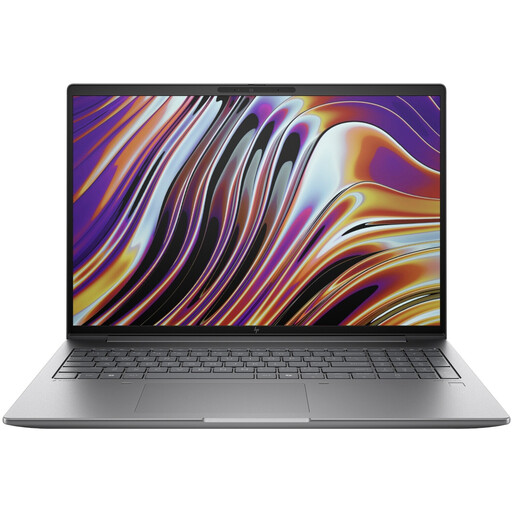
HP ZBook Power 16, Ryzen 7 8845HS, 32 GB RAM, 1 TB SSD
A Windows configuration for a local Tropy file workflow. Check that its storage and ports suit your archive.
16-inch; AMD Ryzen 7 8845HS; 32 GB RAM; 1 TB SSD; Windows 11 Professional; USB 4.0; 2.12 kg.
View at Joybuy
 No image available
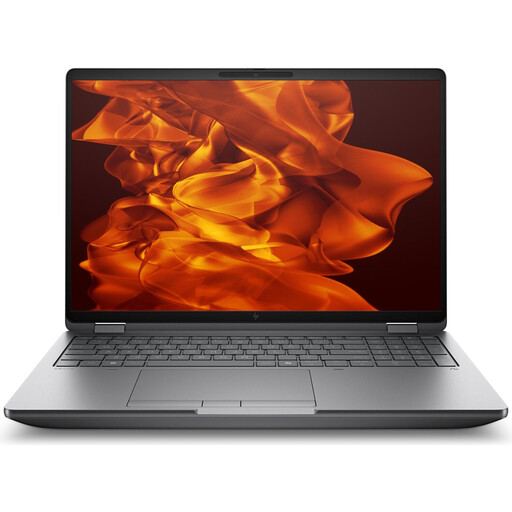
HP ZBook Fury 16 G1i Mobile Workstation, 64 GB RAM, 2 TB SSD
A Windows configuration with specified local storage for readers who want to keep their project and scans on the device.
16-inch; Intel Core Ultra 9 285HX; 64 GB RAM; 2 TB SSD; Windows 11 Pro; Thunderbolt 4 and USB 4.0; 2.43 kg.
View at Joybuy
 No image available
MSI Prestige N16 Flip AI+ C1XMT-027Y, 2-in-1, 2 TB SSD
A Windows configuration for a Tropy workflow. When choosing, also consider where you’ll store and back up linked original scans.
16-inch; 2-in-1 design; 128 GB DDR5; 2 TB SSD; Windows 11 Pro.
View at Joybuy
Frequently asked questions
How can I stop links from breaking when I move my letter scans?
Where possible, put the original files in their permanent storage location before adding them to your workflow. Tropy Documentation describes references to photos rather than extra copies; Zotero Documentation explains relative paths for linked files within a base folder. Test a planned move with a few files first.
Is it enough to back up just the index file?
Not necessarily. Gramps Project describes media objects as references to external files, and Tropy Documentation explains that imported photos aren’t copied as additional originals. So back up and check both the project and its source files. The Federal Office for Information Security recommends backups to help protect against data loss.
What else should I budget for when buying a laptop?
Check whether you’ll need an external backup drive or an adapter for your existing devices. The consumer advice centre distinguishes statutory consumer rights from a voluntary guarantee. Also check whether a charger is included with the specific listing.
Can I simply publish letters online if they contain information about living relatives?
Cataloguing letters for private use doesn’t automatically mean you’re allowed to publish them. The Federal Commissioner for Data Protection and Freedom of Information distinguishes data processing for exclusively personal or family purposes from publication online. Before making anything publicly available, consider the specific use and the people concerned. This answer doesn’t determine any individual question about data protection or copyright.


