Runners planning to stock up on biscuits
You’re looking for a larger pack to last several training days and want to compare nutritional information, pack weight and individual packs.


When stocking up on biscuits during marathon training, think about whether you need a larger pack to last several days, individually wrapped snacks or a specific ingredient declaration. Compare the nutritional information per 100 g, the portion you have in mind and how the pack is divided up. Biscuits alone are no substitute for planning your training and race-day fuelling.
You’re looking for a larger pack to last several training days and want to compare nutritional information, pack weight and individual packs.
You want to take biscuits with you in individual portions. In this case, how the pack is actually divided up matters more than the ‘family pack’ label.
If you need to avoid certain ingredients, check the labelling on the specific pack rather than relying on the brand name.
First decide whether you mainly want to keep the pack at home or take it with you. Then check the nutritional information, ingredients and the amount you actually plan to take out.
| Criteria | What to check | Who it matters to |
|---|---|---|
| Nutrition and stocking up | Compare carbohydrates, fat and sugar per 100 g, as well as pack weight and the number of individual packs. | If I’m planning biscuits for several training days, I want to consider the nutritional information and the amount in the pack together. Around 33% of consumers put this need first. |
| Portioning and carrying | Check for individually wrapped portions and how large they actually are. | When I’m out and about, I need an amount I can take with me without opening a large pack. Portability is the main priority for around 27% of consumers. |
| Ingredients and allergens | Check the ingredients list, highlighted allergens and ‘may contain’ statements on the specific pack. | If I need to avoid certain ingredients, the labelling on the variant I choose determines whether it’s right for me. Around 20% of consumers put this check ahead of the other criteria. |
| Pack size and availability | Compare the net weight with how much you plan to use, and check what’s available where you shop. | For my stock-up, I need an amount I can use up and buy locally. Around 20% of consumers make this their main priority. |
The pack weight and individual packs don’t tell you how much is right for a single training session.
Read the nutritional information per 100 g and, if available, per portion. Separately, think about how much you want to take out.
A biscuit and wafer assortment is easy to portion out, but may have different fat and sugar levels from a plain butter biscuit. REWE lists 25 g of fat and 36 g of sugar per 100 g for the Leibniz PiCK UP! biscuit family pack.
Choose the packaging format to suit your needs when carrying snacks, and compare the nutritional information separately.
Different products from the same brand can contain different ingredients. A product image or older online information is no substitute for checking the label on the pack you’re buying.
Each time you shop, check the ingredients list, allergens and ‘may contain’ statements for the specific variant.
A listed biscuit may or may not be available depending on the retailer or when you shop. So don’t rely on a particular pack size as a guaranteed part of your stock-up without checking first.
Check what’s currently available where you shop, and keep a suitable alternative in mind for your planned stock-up.
Leibniz is a Bahlsen brand. Its listed PiCK UP! family pack is a biscuit and wafer assortment, rather than a plain butter biscuit.
A retailer’s own brand with a listed 400-g pack of butter biscuits, offering an example of a larger stock-up size.
Its range includes different types of biscuits and packaging formats, making it easier to compare products by how you plan to use them.
The 400-g packs of butter biscuits listed by ALDI SÜD offer another point of comparison for stock-up sizes.
A Lidl own brand with butter biscuits that could be considered as a classic biscuit option when comparing stock-up sizes.
The manufacturer offers various specialist options, including gluten-free crackers, which shouldn’t be confused with sweet family packs of biscuits.
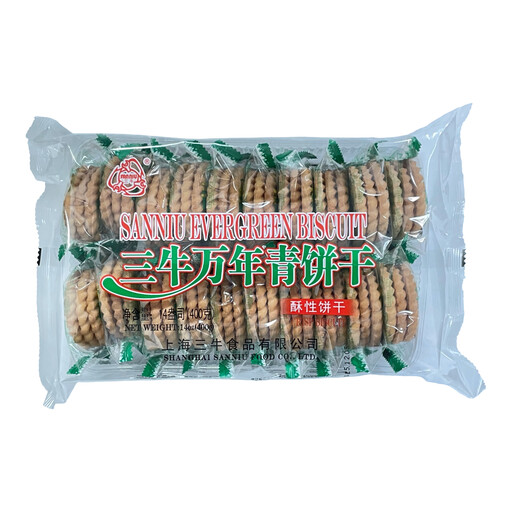
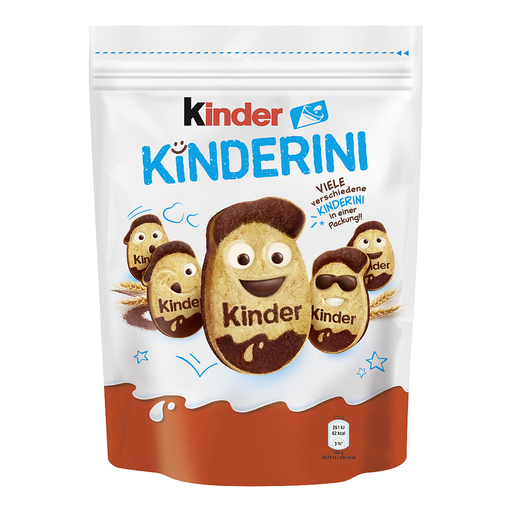
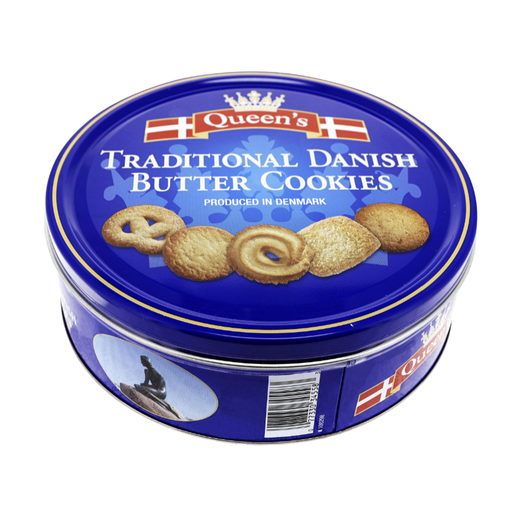
These products show a range of pack sizes for stocking up on biscuits. According to its product name, the Sanniu option comes in individual packs and is savoury; the other two options are mini biscuits and butter biscuits.
 No image available
A stock-up option with individually wrapped savoury biscuits, if the onion flavour suits the snack you have in mind.
400 g total weight and 20 individual packs, according to the product name. If you have dietary restrictions, check the labelling on the specific pack.
 No image available
A good option if you’d like to consider a smaller pack of mini biscuits rather than a large stock-up size.
250 g, according to the product name. If you’re planning individual portions to take with you, check their weight and packaging on the pack itself.
 No image available
A larger pack of butter biscuits to compare with smaller packs or individually wrapped options.
500 g, according to the product name. Only compare nutritional values once you’ve confirmed they’re given on the same basis. If you have dietary restrictions, check the allergen labelling too.
No. A family pack of biscuits isn’t a complete plan for training or race day. The German Nutrition Society notes that carbohydrates are relevant during longer, intense exercise; this doesn’t mean it recommends biscuits as your only source of fuel.
Compare the net weight, any individual packs and how much you’ll actually use once the pack is open. A larger pack doesn’t tell you how much to have on a training day.
Check the ingredients list, highlighted allergens and any ‘may contain’ statements on the specific pack you’re buying. A brand or product-line name alone doesn’t tell you whether every variant meets your needs.
No. Individual wrapping mainly makes biscuits easier to portion out and carry. To decide whether a product suits the snack you have in mind, consider portion size and ingredients, as well as carbohydrates, fat and sugar per 100 g.