
Lieferung heute & morgen

Qualitätsgarantie

Willkommens-Angebote freischalten: KOSTENLOSE Lieferung | Bis zu 80 % RABATT | Kostenlose 30-Tage-JoyPlus-Testphase
App herunterladen
Juggling school schedules, work commitments, hobbies, and household chores is a constant challenge for many families and shared homes. A central hub where all important information comes together can significantly reduce daily stress. A well-chosen family planner serves exactly this purpose: it creates structure and ensures no appointment is ever forgotten.
This guide introduces various types of family planners—from magnetic boards and multifunctional wall organizers to digital solutions. The goal is to provide you with an objective basis for finding the model that best suits your needs.
Before you decide on a model, you should consider a few key factors. The functionality and design should fit your daily life and living situation.
The location where the planner will hang or stand largely determines the choice of material. A monthly planner for the fridge is often made of magnetic or self-adhesive material and blends discreetly into the kitchen. In contrast, a larger wall organizer made of wood or metal can become a central design element in your hallway or living area. Consider the available space and how prominently you want the planner to feature in the room.
A family planner can be more than just a calendar. Think about which features are truly useful for your family organization. Do you need an integrated memo board for quick notes or shopping lists? Would a key holder with a shelf be practical for keeping the entryway tidy? Some models are designed as comprehensive household planners, offering separate sections for meal plans, chore assignments, and important reminders.
The decision between an analog and a digital system is fundamental. Classic write-on planners encourage tactile interaction and are accessible to all family members without any technical barriers. On the other hand, a digital calendar or an electronic planner offers the advantage of synchronization. Appointments can be added and updated on the go via an app, which is particularly beneficial for coordinating people with variable schedules.
Here is a selection of different models that cater to various needs for organizing daily life.

What makes it stand out This monthly planner consists of a transparent acrylic board that magnetically adheres to metal surfaces like a refrigerator. The frameless design provides a minimalist and modern look that blends subtly into the kitchen environment without being intrusive.
Advantages
Best for Ideal for households looking for a flexible and stylish planning solution right in the kitchen. It is particularly suitable for couples or small families who need a central place for appointments and notes without wanting to drill into a wall.
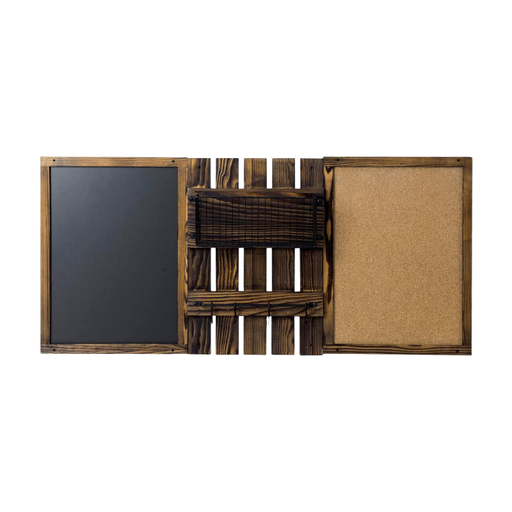
What makes it stand out This set is a command center for your entryway. It combines three functional elements in a cohesive design with a torched solid wood frame: a chalkboard, a cork pinboard, and a metal mail basket with four hooks.
Advantages
Best for Perfect for families or shared homes that need a comprehensive organizational solution for the hallway or kitchen. Anyone looking to create a central hub for all family organization will find this to be an excellent fit.

What makes it stand out The TABWEE P10 is an electronic planner with a 10.1-inch display. A mobile app allows multiple people to add and sync appointments. The device can be wall-mounted or placed on a tabletop and also functions as a digital photo frame.
Advantages
Best for This model is aimed at tech-savvy families, couples, or small office teams who prefer a dynamic planning solution that is accessible from anywhere. It is ideal for syncing the schedules of multiple people in real time.
Organizing a household is a highly personal matter. If these models don't quite meet your expectations, you are sure to find a suitable alternative for your needs in our wide selection of Calendars & Planners.
A family planner is specifically designed for the needs of multiple people. It often features several columns or sections for each family member. Additionally, many models include dedicated areas for meal plans, shopping lists, household chores, or important notes that go beyond a simple overview of appointments.
The key lies in placement and routine. Position the planner in a high-traffic area like the kitchen or hallway, where it will be seen by everyone daily. Establish a set routine, such as every Sunday evening, to plan the upcoming week together and update the calendar.
A digital calendar allows access from anywhere via a smartphone or computer. Appointments can be synchronized in real time, which reduces scheduling conflicts. Automatic reminders help ensure you never miss important events. Ultimately, the choice between analog and digital depends on whether the family prefers a physical, central hub or the flexibility of a digital solution.