Which buying considerations should you weigh up?
Start with fit and seal, then try your own recording and finally check that the connection works with your playback device. This helps you distinguish a manufacturer’s claims from whether the model suits your particular listening situation.
| Buying consideration |
What to check before buying |
Who it matters most to |
| Quiet voices and sound balance |
Listen to the same quiet passage at a similar, moderate volume; don’t treat a manufacturer’s claim of neutral sound as proof of clear speech. |
If you want to follow a quiet voice in your recording, try it with that exact passage. Around 36% of consumers put quiet voices and sound balance first. |
| Blocking out background noise |
Try the available ear tip sizes; don’t treat a manufacturer’s isolation rating as a measurement of how well they’ll fit you. |
If noise in the room masks words, look for a good fit that can help you avoid listening at unnecessarily high volumes. Around 29% of consumers prioritise blocking out background noise. |
| Comfort during long recordings |
Check the sizes and, where relevant, materials of the supplied ear tips, and pay attention to any pressure. |
For longer stories, you’ll want a fit that doesn’t press uncomfortably. Around 21% of consumers put comfort during long recordings first. |
| Connections and replacement parts |
Check your playback device’s audio output or the adapter you’ll need, as well as both cable connections on the specific model. |
If your device has a particular connection or you want to be able to replace the cable, the exact connector matters. Around 14% of consumers prioritise connections and replaceable parts. |
Joybuy products for family recordings
This selection includes both wired and Bluetooth in-ear headphones. The key is whether the connection or wireless link works with your playback device, and which features matter for your listening situation.
 No image available
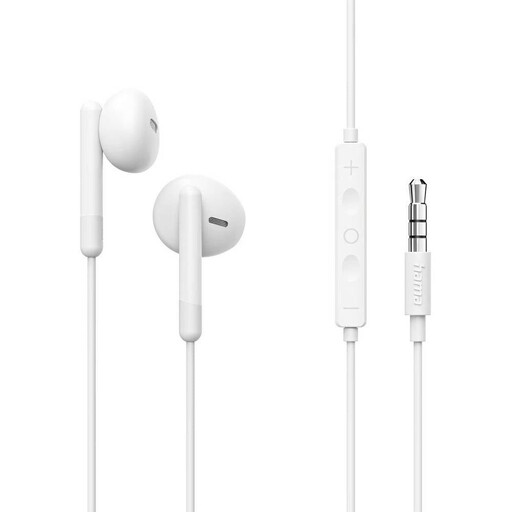
Noble wired in-ear headphones with microphone, 3.5 mm connection, white
A wired option with no Bluetooth pairing required, for playback devices with a compatible 3.5 mm output.
Features a 1.2 m cable, built-in microphone and remote control for playback and volume.
View at Joybuy
 No image available
Acer OHR548 Bluetooth in-ear headphones
This wireless model is an option for Bluetooth-enabled playback devices. The stated noise reduction applies to calls and doesn’t prove that voice recordings will sound clearer.
Bluetooth 5.4, touch controls and a USB-C charging case.
View at Joybuy
 No image available
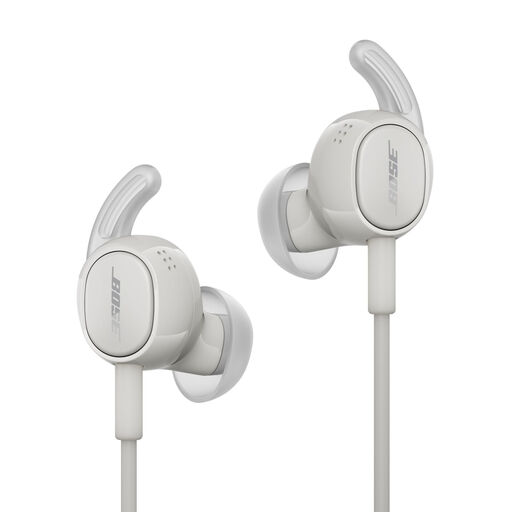
Bose wired in-ear headphones, white
If your playback device supports USB-C audio, a direct wired connection means there’s no need to charge them. Check compatibility with your specific device.
The description lists a USB-C connection, an in-line remote, QuietControl noise cancellation, ear tips in three sizes and stability bands in two sizes.
View at Joybuy
 No image available
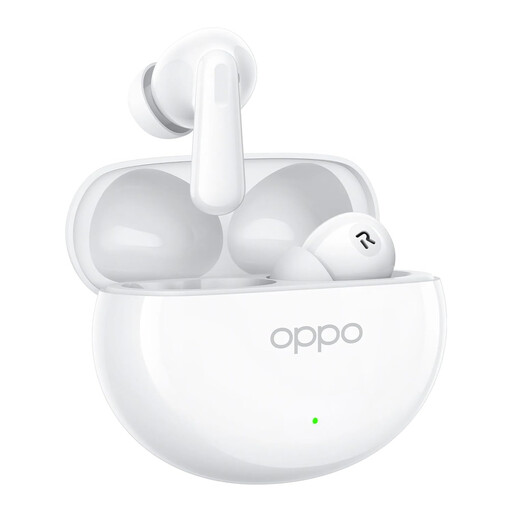
OPPO Enco X4 True Wireless, Glacier White
For wireless listening with a compatible Bluetooth device. The transparency mode is an extra option if you want to hear the sounds around you.
Bluetooth 5.4, touch controls and active noise cancellation. The stated playback time is up to 43 hours with the charging case.
View at Joybuy
 No image available
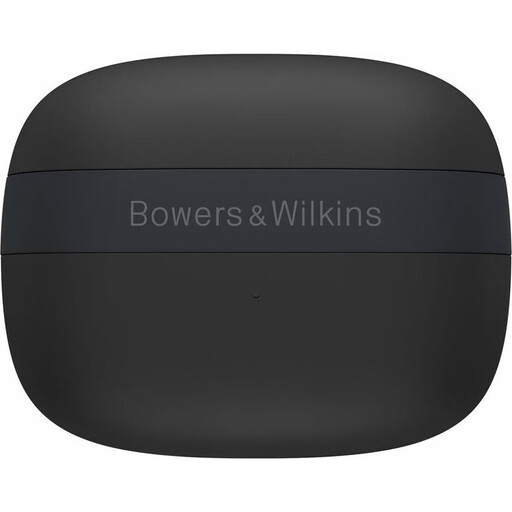
Bowers & Wilkins Pi6 true wireless in-ear headphones
For wireless playback with a compatible Bluetooth device. If you want to use the stated aptX Adaptive codec, check that your playback device supports it.
Bluetooth 5.4 with aptX Adaptive and Multipoint, active noise cancellation and four ear tip sizes. The stated battery life is up to eight hours.
View at Joybuy
Frequently asked questions
Do I need Bluetooth for downloaded recordings?
No. Wired in-ear headphones can play the file if your playback device has a compatible audio output or you use a suitable adapter. Bluetooth is an extra connection option; a Bluetooth adapter may need charging.
How do I find ear tips for longer listening sessions?
Try the supplied sizes and, where available, different materials until the earphones fit without uncomfortable pressure. A good seal also affects the sound. Listen at a moderate volume and pay attention to any pressure during long sessions.
What should I check if one side suddenly sounds quieter?
First, check the connection and the ear tip. Shure notes that earwax or dirt in the earphone opening could be the cause. Follow the cleaning instructions for your specific model rather than turning up the volume.
How do I check whether wired in-ear headphones will work with my device?
Check that your playback device’s audio output matches the headphone plug, and see whether you’ll need an adapter. If the cable is detachable, the connection on the earphone side must also be compatible with the specific model.


