Households that share biscuits
When several people are eating from the same pack or biscuit tin, it’s worth considering the quantity, the choice of varieties and how to store them after opening.


A larger pack of biscuits can work well for a sweet breakfast when several people are sharing and you can store the biscuits properly once opened. If sugar content, particular ingredients or allergens are important to you, check the labelling on the specific variety rather than choosing based on pack size alone.
When several people are eating from the same pack or biscuit tin, it’s worth considering the quantity, the choice of varieties and how to store them after opening.
If you’re planning to serve biscuits for a sweet breakfast, you can compare the sugar and other nutritional values per 100 g and for your intended portion on the pack.
If you have dietary requirements or need to avoid particular allergens, the labelling on the variety you choose is what matters. The word “cookies” alone won’t tell you what you need to know.
First, check that the quantity is right for everyone sharing. Then look at the ingredients and nutritional information for the specific variety, as well as how to store it once opened.
| What matters | What to check | Who it matters to |
|---|---|---|
| Quantity to share | Compare the pack weight and type of biscuit with how much you plan to use. | If several people are having breakfast together, the pack should be enough for everyone without being left open for too long; this is the main consideration for around 36% of consumers. |
| Sugar and nutritional values | Check the sugar and energy per 100 g, as well as the amount in your intended portion. | At a sweet breakfast, I want to know what I’ll be putting on my plate; around 29% of consumers prioritise this. |
| Ingredients and allergens | Read the ingredients list, highlighted allergens and, where relevant, precautionary statements about traces for the specific variety. | If there are ingredients I need to avoid, the specific pack must meet my requirements; this check takes priority for around 21% of consumers. |
| Storage and portioning | Make sure you have a suitable container and somewhere to store that type of biscuit. | If there are biscuits left after breakfast, I want to store them properly and take out portions as needed; around 14% of consumers put this first. |
More biscuits don’t change what they’re made of. The German Nutrition Society points out that baked goods often contain a lot of sugar and fat.
Decide how much you want to serve and read the nutritional information for the variety you’ve chosen, rather than basing your decision on pack size alone.
Claims such as “no added sugar” don’t tell you about the product’s other ingredients or nutritional values. The sweeteners used may also be important when you’re choosing.
Compare the sugar and energy per 100 g, and read the ingredients list too.
Different biscuits from the same brand can contain different ingredients. And a variety labelled vegan isn’t automatically suitable for people who need to avoid wheat or soya.
Check the ingredients and allergen information for the specific variety every time you buy it, and look for precautionary statements about traces if needed.
If the biscuits won’t be eaten soon, their texture and flavour may deteriorate after opening.
Before you buy, check that you have a suitable tin or an airtight container ready. EDEKA recommends a metal tin for crisp biscuits.
Bahlsen offers classic biscuits and assorted biscuit selections for sharing.
REWE sells a range of biscuits and fine baked goods online, including oat cookies and assorted biscuit selections.
EDEKA24 lists biscuits, baked goods and waffles, including 400 g and 500 g packs.
Lidl is another place to browse different biscuit types and pack sizes in store.
ALDI SÜD lists BISCOTTO butter biscuits in a 400-g pack, as well as other biscuit and waffle products.
Gullón offers a range of biscuits, and a specialist German retailer also sells products from the brand labelled gluten-free.
These biscuit packs are worth considering if several people will be sharing a sweet breakfast. As well as the quantity, compare the specific variety and the information on the pack.
 No image available
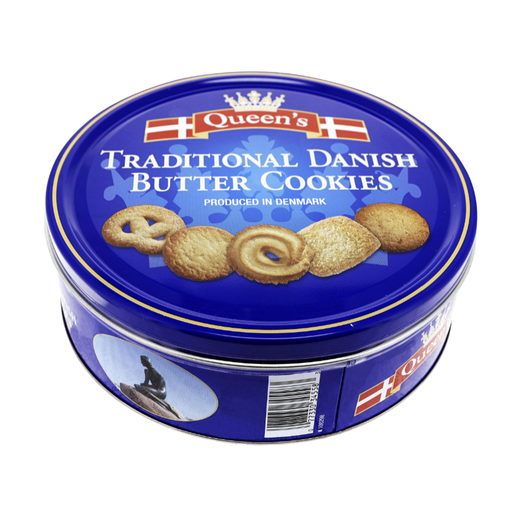
This 500-g pack is an option if several people want to share butter biscuits. Check the ingredients and allergen information on the pack before sharing.
 No image available
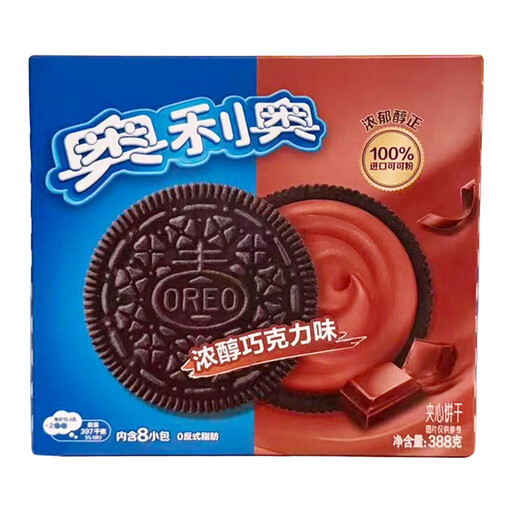
This 388-g pack is a good choice if you’re looking to share chocolate biscuits. If sugar or particular ingredients matter to you, check the nutritional information and ingredients list on the pack.
 No image available
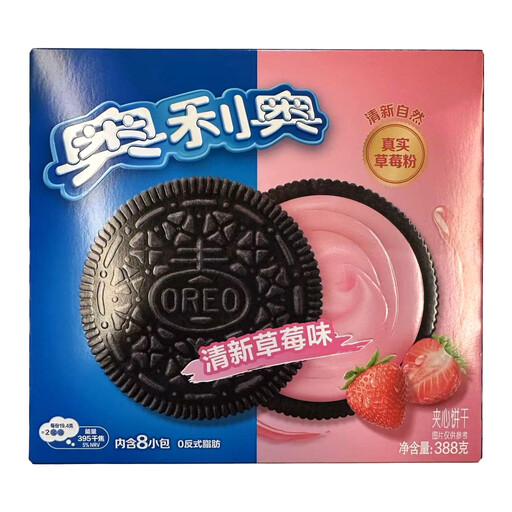
This 388-g pack offers a strawberry option to share at a sweet breakfast. Check the sugar per 100 g, ingredients and allergen information for the pack you choose.
The right size depends on how many people are sharing and how quickly the biscuits will be eaten after opening. For example, ALDI SÜD and EDEKA24 offer 400-g formats; a larger pack is only worth choosing if you have a suitable way to store it too.
No. As the consumer advice centre explains, the two claims describe different properties. When choosing biscuits, you should also check the sugar and energy per 100 g, along with the ingredients and sweeteners used.
Read the ingredients list and allergen information on the specific pack, even if you already know the brand. Look out for ingredients you need to avoid and, where relevant, precautionary statements about traces; you can’t assume the labelling for another variety applies.
Put any leftover biscuits in a container suited to that variety and store them somewhere cool, dry and away from light. EDEKA recommends a metal tin for crisp biscuits; you can store different varieties separately if needed.