What should you look for when buying?
When choosing chocolate cereal for a toddler’s breakfast, ingredients, allergens and the amount actually served matter more than pack size. Only then can you judge whether a larger pack suits your household’s needs.
| Criteria |
What to check when buying |
Who it matters most to |
| Sugar and portion size |
Compare “of which sugars” per 100 g and consider the amount actually served. A manufacturer’s suggested portion is not a serving recommendation for toddlers. |
If chocolate cereal is on the breakfast table, I don’t want to overlook the sugar or portion size just because it comes in a large pack. This would probably be the most important buying consideration for around 42% of consumers. |
| Pack size and consumption |
Compare the net weight and current unit price of the same type of product; also consider the best-before date and storage instructions after opening. |
I want a multipack to feed several people without leftovers being left open for too long. Around 33% of consumers would probably prioritise finding the right amount to stock at home. |
| Ingredients and allergens |
Check the ingredients, highlighted allergens and precautionary allergen information on the specific pack; recipes can change. |
If certain ingredients need to be avoided at home, I need to know exactly what’s in the pack I’m buying. This check would probably be the main concern for around 25% of consumers. |
Brands and product ranges to consider
The examples below cover different types of products and pack sizes. They can help you check specific criteria, but they aren’t a substitute for comparing family-size packs of similar products.
Kellogg's
Kellogg's Germany sells both Choco Krispies Original and Chocos; the two products have different recipes.
- According to Kellogg's Germany, Choco Krispies Original contains 17 g of sugar per 100 g, while Chocos contains 22 g per 100 g.
- Chocos contains wheat flour and may contain traces of gluten from other cereals and soya. This information doesn’t confirm that a particular family-size pack is available.
Nestlé NESQUIK
Nestlé Cereals Germany describes NESQUIK Knusper-Frühstück as chocolate cereal made with wholemeal wheat.
- According to Nestlé, the variety described contains 52.7% wholemeal wheat flour and 8.7 g of fibre per 100 g.
- Nestlé also states that it contains 22.1 g of sugar per 100 g and may contain traces of nuts and milk. If the recipe changes, always check the pack you’re buying.
EDEKA Herzstücke
EDEKA24 lists Herzstücke Knusper Triple Choc as a 500 g chocolate muesli. Muesli is not the same as classic chocolate cereal.
- The pack size can be a useful starting point when looking for something to serve several people.
- When choosing breakfast for a toddler, check the ingredients, nutritional information and allergens on the specific pack.
Lidl Crownfield
In January 2024, Lidl described a 750 g pack of Crownfield Nougat Pillows. Filled nougat pillows are a product in their own right.
- The documented net weight shows the pack size that was available for this variety at the time.
- For a buying decision today, check the current pack, its recipe and the information provided by the retailer.
Chocolate muesli for your household cupboard at Joybuy
This selection includes chocolate muesli options that could work as larger packs for a family breakfast. Muesli and classic chocolate cereal are different types of product; for a toddler’s breakfast, the ingredients, nutritional information and amount served are what matter.
 No image available
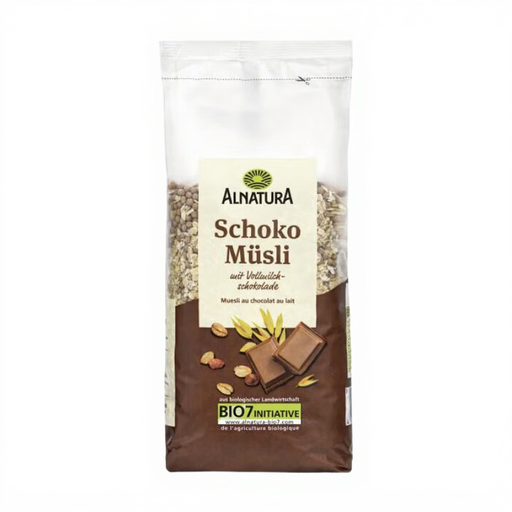
Alnatura Organic Chocolate Muesli, 750 g
This 750 g pack could suit you if several people eat chocolate muesli and you’ll use it up after opening.
For a toddler’s breakfast, check the nutritional information, allergens and amount actually served on the pack you buy.
View at Joybuy
 No image available
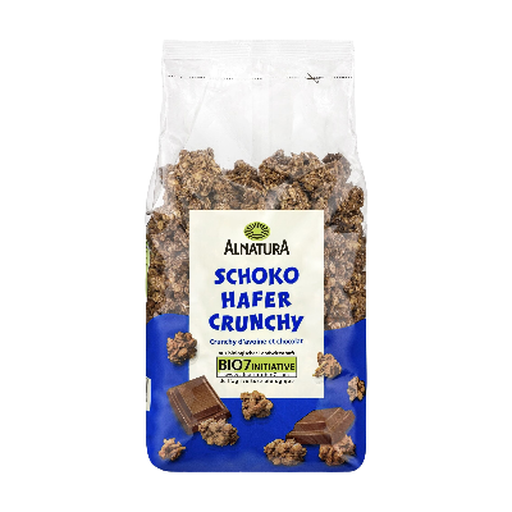
Alnatura Organic Chocolate Oat Crunchy Muesli
This chocolate oat crunchy muesli is an option if you’re specifically looking for crunchy muesli to share at breakfast.
Compare the sugar, ingredients and allergens on the specific pack; a wholegrain claim alone isn’t enough to decide whether it’s suitable for a toddler.
View at Joybuy
 No image available
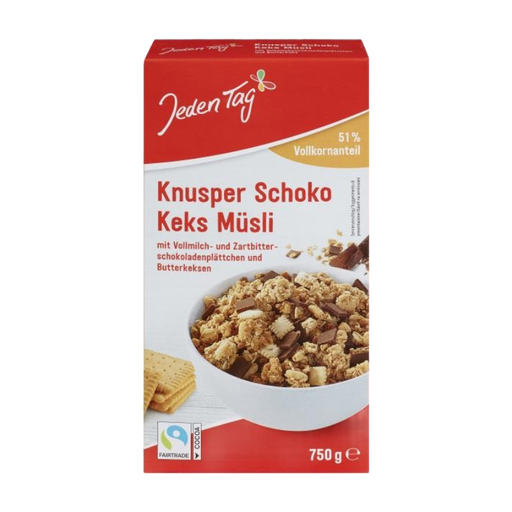
Jeden Tag Chocolate Cookie Crunchy Muesli, 750 g
This 750 g pack could be a handy option to stock up on if several people eat chocolate cookie crunchy muesli.
Before serving it at breakfast to a toddler, check the sugar, ingredients and allergens, as well as the amount you’re serving.
View at Joybuy
Frequently asked questions
Is chocolate cereal a suitable everyday breakfast for toddlers?
Sweetened breakfast cereals shouldn’t become a daily habit without careful consideration. Kindergesundheit-info recommends avoiding products of this kind that are very high in sugar, or offering them only in small amounts as a treat; Gesund ins Leben advises limiting sweet foods in toddlers’ diets.
Is a high wholegrain content enough to choose a cereal?
No. With chocolate cereal, you should consider the wholegrain content and sugar separately. Nestlé states that NESQUIK Knusper-Frühstück contains 52.7% wholemeal wheat flour and 22.1 g of sugar per 100 g; also check the ingredients and the amount actually served.
How can I spot gluten-containing cereals in breakfast cereal?
Read the ingredients list and highlighted allergen information on the specific pack. The Federal Ministry of Agriculture, Food and Home Affairs lists gluten-containing cereals, including wheat, rye, barley and oats, as allergens that must be declared; check any precautionary allergen information too.
Is a larger pack automatically the better choice?
No. The net weight alone tells you nothing about the ingredients or the current unit price. Compare similar products at the retailer you’re buying from now, and consider how quickly your household will use the contents after opening.


