Which pack is right for you?

Households with regular muesli eaters

If several people eat the same variety for breakfast, a 1 kg pack or a multipack of the same mix could be a good choice. The key is to match the amount you buy to how quickly you’ll get through it and how much dry storage space you have.

Families with different tastes

If you don’t want everyone to have the same fruit, nuts or crunchy bits, you can add toppings to a base mix separately. REWE Bio describes its five-grain muesli, which contains no dried fruit, as a base for creating your own mixes.

Households with specific ingredient requirements

If anyone needs to avoid certain allergens or follow a gluten-free diet, the labelling on each specific variety matters more than the pack size. Storing different mixes separately can help prevent them from coming into contact with one another.

What should you look for when buying?

First, check whether the mix is suitable for everyone who’ll be eating it. Then choose a variety and pack size to suit how much muesli your household gets through at breakfast.

What to consider What to check Who it matters to
Pack size Match the pack size, inner bags and dry storage space to how much you regularly get through. If several people always eat the same variety, I want to buy enough for the next few breakfasts without ending up with a stockpile that’s too big. Around 40% of consumers would put choosing the right amount at the top of their list.
A taste everyone enjoys Check whether everyone likes the ready-made mix or whether separate toppings would work better. If everyone has different tastes, I don’t want to commit the whole household to the fruit, chocolate or crunchy bits in a single variety. For around 30% of consumers, being able to customise the mix would be the priority.
Ingredients and allergens Read the ingredients list and allergen information, and check whether the specific variety is explicitly labelled gluten-free if needed. If anyone in the household needs to avoid certain ingredients, I need a mix labelled as suitable for them, rather than simply a large pack to share. Ingredient and allergen requirements would be the main buying consideration for around 30% of consumers.

Common buying mistakes

  • Assuming one large pack will suit everyone

    Fruit, nut, chocolate and crunchy mixes won’t necessarily appeal to everyone. If the household doesn’t get through the mix, a bigger pack won’t serve its purpose as breakfast stock.

    If you’re not sure everyone will like it, try a smaller pack first or choose a base mix with toppings kept separate.

  • Checking for allergens only once you get home

    Depending on the recipe, muesli and its ingredients may contain gluten-containing cereals, nuts, peanuts, sesame or soya, among other things. Regular oat muesli isn’t automatically gluten-free.

    Check the labelling on the specific pack before you buy. If you need to eat gluten-free, look for an explicit gluten-free label and avoid contact with mixes containing gluten.

  • Confusing ‘no added sugar’ with ‘sugar-free’

    Dried fruit can contain naturally occurring sugars. So a claim on the front of the pack doesn’t replace checking the ingredients.

    For the varieties you’re considering, compare the ingredients list and the ‘of which sugars’ nutritional value per 100 g.

Brands to consider

Kölln

Oat-based muesli in a range of flavours; Kölln also offers multipacks with four large bags.

  • Several bags of the same variety could suit a household that gets through it regularly.
  • A large pack means sticking with one mix for longer. Kölln’s gluten-free muesli is part of a separate product range.

Alnatura

Organic muesli, including a vegan Maxi Muesli in a 1 kg pack.

  • The 1 kg option is worth considering if several people regularly eat this mix.
  • The Maxi Muesli contains gluten-containing cereals, hazelnuts and sesame, among other ingredients; check the pack for precautionary allergen information too.

REWE Bio

The 1 kg pack of five-grain muesli contains no dried fruit and is sold as a base mix for creating your own combinations.

  • You can choose toppings separately for family members with different tastes.
  • The base mix contains gluten-containing cereals and sesame, so it’s important to check the ingredients even in a simple mix.

Seitenbacher

Mühlen Müsli 1 is available in a 1 kg pack.

  • A single large pack could suit households that regularly eat this flake mix.
  • The recipe includes soya and peanuts, among other ingredients; take any other information on the specific pack into account when choosing.

familia

A muesli range featuring organic and crunchy options, as well as other recipe ranges.

  • The range is divided into varieties, making it easier to search for a particular type of mix.
  • Check the pack size and labelling of the variety actually on offer rather than assuming the range overview means a particular family-size pack is available.

Brüggen

A manufacturer of various mueslis, including products for supermarket own brands.

  • The manufacturer can be useful to know when looking into supermarket own-brand products.
  • When choosing a supermarket own-brand product, it’s the recipe and labelling of that specific product that matter, not just the manufacturer’s name.

Muesli for your breakfast cupboard at Joybuy

These two 750 g crunchy mueslis could suit households looking for one variety to enjoy over several breakfasts. Before you buy, check that everyone likes the mix and that it meets any ingredient requirements.

Jeden Tag Less Sweet crunchy oat muesli, 750 g

Jeden Tag Less Sweet crunchy oat muesli, 750 g

For households planning to serve the same crunchy oat mix over several breakfasts; the pack contains 750 g.

The name ‘Less Sweet’ doesn’t replace comparing the nutritional values per 100 g. If you have specific ingredient requirements, check the allergen and precautionary allergen information on the specific pack too.

View at Joybuy
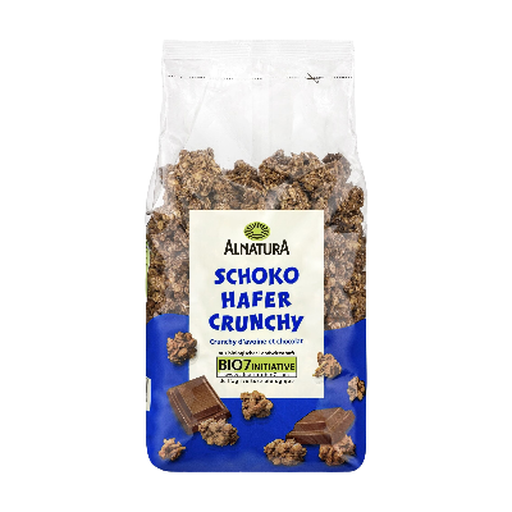
Alnatura organic chocolate and oat crunchy muesli, 750 g

Alnatura organic chocolate and oat crunchy muesli, 750 g

For households where several people fancy crunchy chocolate and oat muesli; the pack contains 750 g.

Check the ingredients and allergen information before buying it for everyone. To compare sugar content, look at the ‘of which sugars’ value per 100 g.

View at Joybuy

Frequently asked questions

Which pack of muesli should I buy for my weekly shop?

A 1 kg pack works well if several people regularly eat the same variety; a multipack requires a higher rate of consumption and enough dry storage space. If everyone has different tastes, you can add toppings to a base mix separately.

How should I store a large pack of muesli once it’s open?

Store muesli somewhere dry and away from heat, as Alnatura advises for its Maxi Muesli. Seal the opened bag carefully or transfer the contents to an airtight storage container.

What should I look out for when it comes to allergens in muesli?

Check the ingredients and allergen information for every variety, including when shopping online. A precautionary allergen statement refers to possible accidental traces and is different from a declaration of allergenic ingredients that have been deliberately used.

Is oat muesli automatically gluten-free?

No. An oat base alone doesn’t mean that the muesli is gluten-free. Kölln warns that ordinary oats may come into contact with gluten-containing cereals during growing and processing. If you need to eat gluten-free, look for an explicit gluten-free label on the specific product.

Does ‘no added sugar’ also mean ‘sugar-free’?

No. Dried fruit, for example, can contain naturally occurring sugars. Compare the ingredients list and the ‘of which sugars’ nutritional value per 100 g, rather than relying on a claim on the front of the pack.