
Lieferung heute & morgen

Qualitätsgarantie

Willkommens-Angebote freischalten: KOSTENLOSE Lieferung | Bis zu 80 % RABATT | Kostenlose 30-Tage-JoyPlus-Testphase
App herunterladen
A family tent is more than just shelter from the elements—it's your home away from home on vacation. But the selection is vast, and marketing promises can be overly optimistic. The result? Many buyers invest in a tent that fails to meet the practical demands of family life. As a Joybuy Product Recommendation Officer, I'll help you identify the crucial features and navigate the common pitfalls of buying a tent.
Before we dive into the technical details, let's address the three most common issues that lead to disappointment. Knowing these will help you search for a suitable model more effectively.
To make an informed decision, you should carefully examine three technical aspects. These determine the tent's comfort, durability, and real-world performance.
Calling a camping tent waterproof requires more than just a number. The water column (or hydrostatic head) indicates how much water pressure the fabric can withstand before moisture penetrates. For typical European weather conditions, the following values are a good guideline:
Additionally, ensure that all seams on the flysheet and groundsheet are heat-sealed (taped seams) from the inside with a special tape.
The shape of the tent affects its setup, wind stability, and usable interior space.
The tent fabric determines its weight, durability, and internal climate.
Here are a few models tailored to specific user profiles that successfully avoid the pitfalls we've discussed.
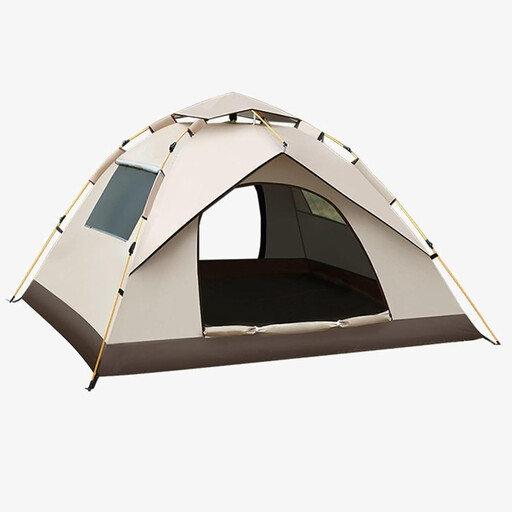
Why This Fits Their Persona: Ideal for weekend trips or as a first tent for a small family (2 adults, 1 child). The hydraulic auto-open mechanism allows for setup in minutes, which minimises stress upon arrival.
The capacity is realistically rated for 2-3 people, avoiding the trap of exaggerated person counts. The 3000 mm waterproof rating and robust floor provide solid protection.
Sets up in seconds thanks to the automatic system. Two doors and two windows ensure good ventilation and prevent heat buildup.
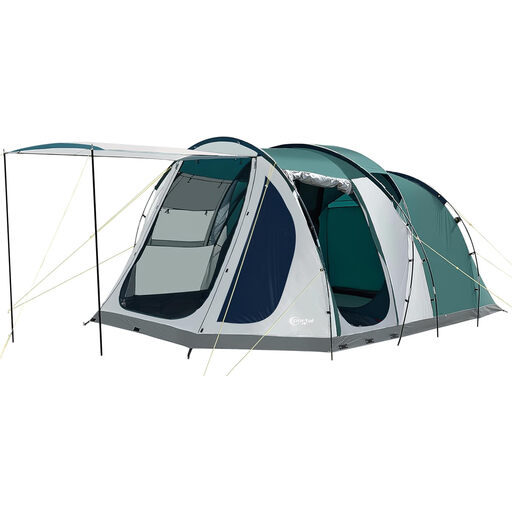
Why This Fits Their Persona: Perfect for the annual family vacation. This large 5-person tent features a tunnel design with 200 cm of standing height, offering separate living and sleeping areas. This ensures comfort even in poor weather.
It addresses the waterproofing pitfall by combining a 3000 mm water column rating with a fully sewn-in bathtub-style groundsheet, which prevents water from seeping in from below.
Spacious living area (5.8 m?) separate from the sleeping area (7.05 m?). Excellent ventilation through multiple doors and vents reduces condensation buildup.
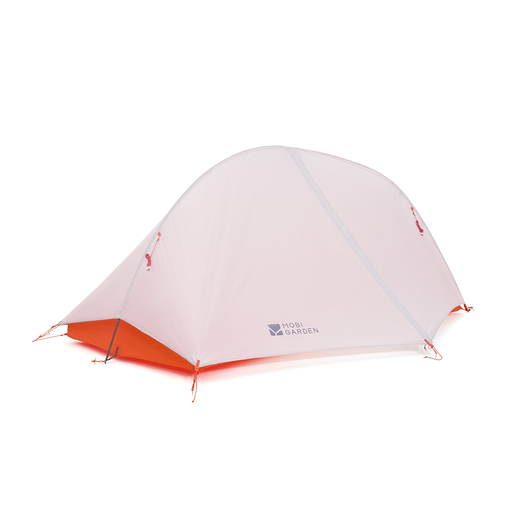
Why This Fits Their Persona: This ultralight trekking tent is designed for couples or solo adventurers for whom every gram counts on long hikes. With a net weight of only approx. 1.18 kg and a tiny packed size, it fits into any backpack.
It avoids the pitfall of inadequate protection by using specialised materials: the silicone-treated 20D ripstop nylon is extremely lightweight yet highly tear-resistant and water-repellent.
Extremely low weight (approx. 1.18 kg) and a small packed size. The aluminium alloy poles are stable yet very light. Ideal as a lightweight trekking tent for demanding tours.
We have compiled a complete, up-to-date list of products that fully meet these strict selection criteria and safety standards.
The waterproof rating is an important indicator, but not the only one. A rating of 2000-3000 mm for the flysheet is sufficient for most situations in Europe. The overall package is more crucial: look for a higher rating on the groundsheet (min. 3000 mm) and factory-sealed seams. A tent with a 5000 mm rating but poorly finished seams will leak sooner than a well-made tent with a 2000 mm rating.
Proper care is crucial for longevity. Never store your tent while it's damp, as this can lead to mildew and the breakdown of the waterproof coating. After each use, allow it to dry completely in a shady, well-ventilated area. Clean it only with water and a soft cloth; avoid washing machines and harsh detergents.
The stated person count is typically based on the number of standard sleeping pads (approx. 50-60 cm wide) that can fit side-by-side in the sleeping cabin. Luggage, wider air mattresses, or the desire for more personal space are not taken into account. A good rule of thumb for families is to choose a tent rated for at least one more person than will actually be sleeping in it. For a family of four, a large 6-person tent is often the more comfortable choice.