
Lieferung heute & morgen

Qualitätsgarantie

Willkommens-Angebote freischalten: KOSTENLOSE Lieferung | Bis zu 80 % RABATT | Kostenlose 30-Tage-JoyPlus-Testphase
App herunterladen
Planning a family camping trip often starts with one key question: which tent is right for us? The range of models is vast, and choosing the right family tent can be the difference between a memorable adventure and a stressful experience. This article serves as a guide, introducing different types of tents to provide an informed basis for your purchase decision.
To find the perfect model, it's helpful to understand a few fundamental criteria. The following points are based on common product features and will help you define your requirements.
A crucial factor for camping comfort is protection from the elements. A tent's water resistance is indicated by its hydrostatic head rating, measured in millimetres (mm). A tent is generally considered waterproof with a rating of 1,500 mm or higher. For camping trips in regions with unpredictable weather, a rating of 3,000 mm or more is recommended to stay dry even in heavy rain. Keeping a tent waterproof also depends on sealed seams and a durable groundsheet. For sunny days, a tent with UV protection is a valuable feature, especially for protecting children.
A tent's stated person-rating usually refers to the maximum number of sleeping spots without any luggage. For greater comfort, it's advisable to choose a tent designed for one more person than your actual group size. This means a 4-person camping tent is often ideal for a family of three with gear. Models like a 5-person tunnel tent often feature separate sleeping and living areas due to their design. A tent with a vestibule creates additional, weather-protected space for equipment, camping furniture, or cooking.
After a long journey, no one wants to spend a lot of time setting up the tent. There are significant differences here. Traditional tunnel or dome tents require manual pole assembly, which takes some practice. A faster alternative is a pop-up tent or an instant tent for the family. These models often unfold on their own in seconds and just need to be secured with pegs, which greatly simplifies the setup process.
Here is a selection of tents that, with their distinct features, are suited for various applications.
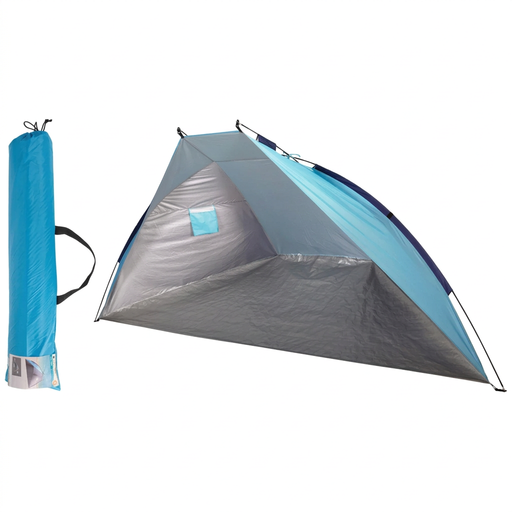
Why it stands out: This model is designed as a specialised sun and wind shelter for day trips. With dimensions of 270 x 120 x 120 cm, it offers ample space for a small group at the beach or in the park. The clear focus here is on UV protection and effortless transport.
Pros:
Who is it for? Ideal for families or couples looking for reliable sun and wind protection for the beach, lake, or outdoor pool. It is not designed for overnight stays but serves as a practical accessory for day trips.
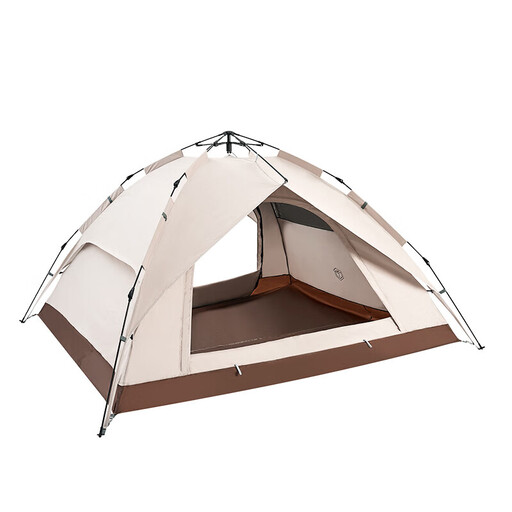
Why it stands out: This tent combines the convenience of a pop-up tent with the benefits of a dual-layer construction. The automatic setup mechanism allows for assembly in a matter of moments. The second layer improves ventilation and reduces condensation buildup inside.
Pros:
Who is it for? For small families or groups who prioritise an extremely fast setup. It's an excellent choice for weekend camping, festivals, or short road trips where convenience and efficiency are key.
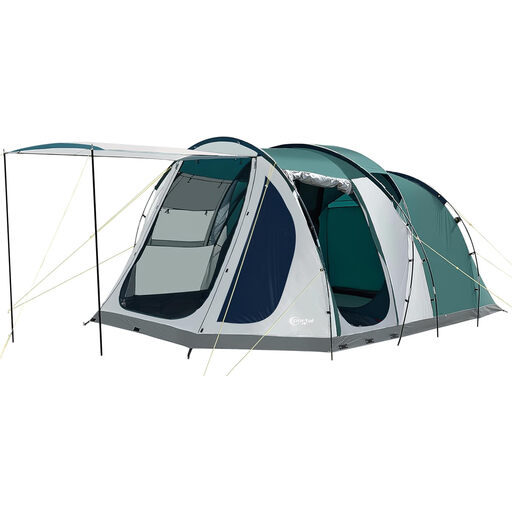
Why it stands out: As a classic 5-person tunnel tent, this model offers a clear separation between sleeping and living areas. With a standing height of 200 cm and a separate living space of 5.8 m?, it provides significant comfort that goes beyond just sleeping.
Pros:
Who is it for? Perfect for families planning longer car-camping holidays who value space and comfort. The separate living area makes it a pleasant retreat even in bad weather.
The models presented here cover a range of needs. If you haven't found the right tent for your specific requirements, you can find more options in our collection. In particular, versatile dome tents offer a great balance of stability and easy setup.
Discover a wider selection in our Event Dome Tent category.
The hydrostatic head is a unit of measurement that indicates how much water pressure a material can withstand before it leaks. A rating of 1,500 mm means a 1.5-metre column of water could rest on the fabric before it penetrates. For reliable protection against rain in Central Europe, ratings of 3,000 mm and above are a safe bet.
The manufacturer's rating refers to the maximum number of standard sleeping pads (approx. 50-60 cm wide) that can fit side-by-side inside the tent. It doesn't account for luggage, wider air mattresses, or the desire for more room to move. As a rule of thumb: for comfortable camping, you should choose a tent rated for at least one person more than your group size. Therefore, a 4-person tent is comfortable for 2-3 people with gear.
To extend the lifespan of your tent, you should clean it after each use and allow it to dry completely before packing it away. Moisture can lead to mould and material damage. Store the tent in a cool, dry place. Stains should be removed using only water and a soft cloth, as detergents can damage the waterproof coating.