
Lieferung heute & morgen

Qualitätsgarantie

Willkommens-Angebote freischalten: KOSTENLOSE Lieferung | Bis zu 80 % RABATT | Kostenlose 30-Tage-JoyPlus-Testphase
App herunterladen
A family tent is more than just a shelter from the weather—it's the heart of shared adventures, whether you're camping, at a festival, or having a backyard sleepover. But the selection is vast, and product descriptions are often filled with technical specs that confuse more than they clarify. This can quickly lead to purchases you later regret. Before you invest, it's crucial to understand the common pitfalls that can turn a dream holiday into a stress test.
As your Joybuy Product Recommendation Officer, I'll help you separate the important information from the noise. We'll focus on the facts that truly matter so you can make an informed decision.
Many tents look great at first glance but reveal their weaknesses only after the first use. Pay close attention to these three points to avoid disappointment:
To find the right tent, don't be swayed by marketing promises. Instead, focus on verifiable technical features.
The waterproof rating (or Hydrostatic Head) is the most important metric for a tent's water resistance. It indicates how much water pressure the fabric can withstand before moisture penetrates.
Ensure that both the outer flysheet and the groundsheet have a sufficiently high waterproof rating. A value of 3,000 mm for the flysheet and at least 5,000 mm for the groundsheet is a solid foundation for most uses.
The shape of the tent significantly determines the usable space, stability, and ease of setup.
A good ventilation system is crucial to minimise condensation inside the tent. Look for protected vents that can remain open even in the rain, as well as mosquito nets on doors and windows. The outer tent material is usually PU-coated polyester, which is a good compromise of weight, UV resistance, and cost.
Here are some models tailored to specific user profiles that successfully avoid the common pitfalls mentioned.
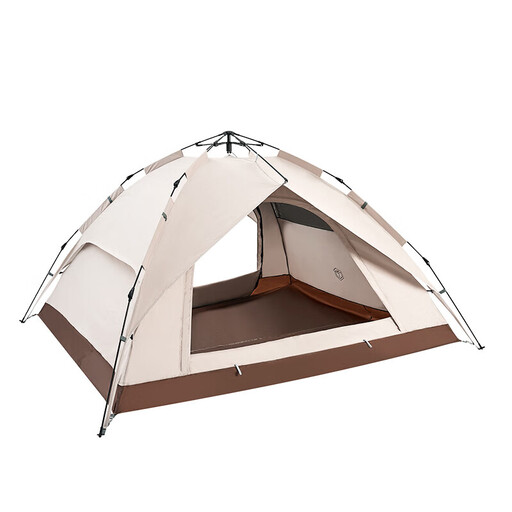
Why This Fits Their Persona: Ideal for anyone who doesn't want to fuss with complicated instructions. The automatic pop-up mechanism makes setup incredibly easy, perfect for a first camping trip or a festival weekend.
Solves the problem of complicated setup with its automatic mechanism. The 3000 mm waterproof rating provides reliable protection, avoiding the trap of a tent that's only waterproof on paper.
Sets up in seconds; dual-layer construction for better insulation and ventilation.
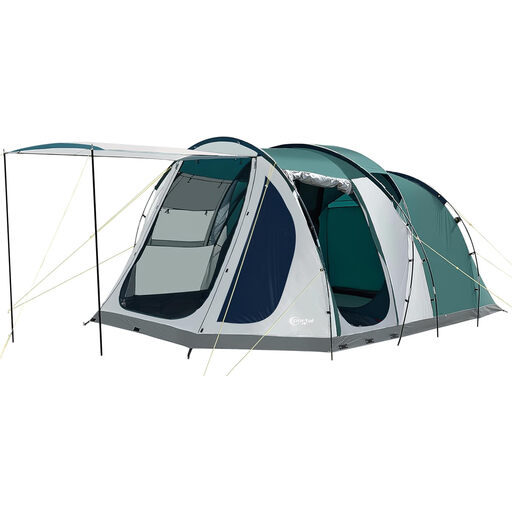
Why This Fits Their Persona: Perfect for the classic family holiday. The clear separation into a 5.8 m? living area and a 7.05 m? sleeping cabin provides space for gear and group activities, even in bad weather. The 200 cm standing height ensures excellent comfort.
Avoids the misleading capacity trap with a clear division between sleeping and living space. The 3000 mm waterproof rating and fully sewn-in groundsheet offer reliable protection from moisture from above and below.
Spacious, separate living area; comfortable standing height; well-designed ventilation system.

Why This Fits Their Persona: For groups and families seeking style and an exceptional sense of space. With 3 metres of standing height and a large footprint, this tipi is ideal for social gatherings and offers a true glamping experience. It's a statement tent for special occasions.
The enormous height and floor space completely bypass the trap of cramped quarters. The 3,000 mm waterproof rating, taped seams, and flame-retardant material provide a high level of safety and weather protection.
Unique sense of space with full standing height; plenty of room for up to 6 people; UV30 protection and flame-retardant treatment.
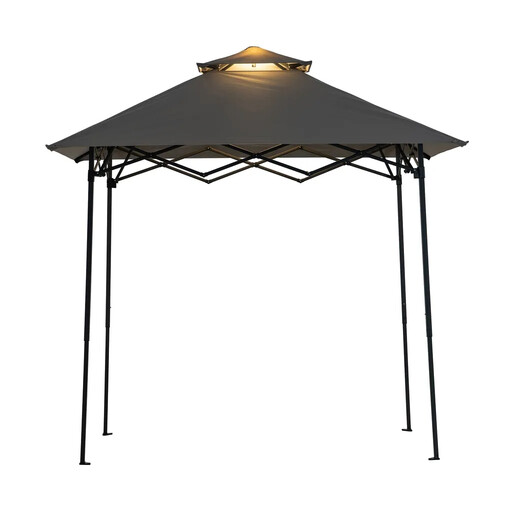
Why This Fits Their Persona: This isn't a tent, but a specialised **grill gazebo**. It's the perfect solution for anyone wanting to create a sheltered area for their grill and social gatherings in the garden or on the patio. The integrated LED lighting and tool-free setup make it especially practical for parties. It also provides an ideal, sheltered setting for **outdoor party games**.
Avoids the mistake of using a camping tent for a garden party. This gazebo is specifically designed for that purpose, with a height-adjustable frame, good ventilation via the double roof, and practical extras like the lighting.
Tool-free setup in under 5 minutes; integrated, remote-controlled LED light; double-tiered roof for UV protection and ventilation.
We have compiled a complete, up-to-date list of products that fully meet these strict selection criteria and safety regulations.
1. How many people can really fit in a 4-person tent? For a comfortable stay with luggage and some room to move, you should plan for a maximum of two to three people in a tent advertised as a "4-person tent." The manufacturer's rating usually refers to the maximum capacity without considering comfort or gear.
2. What does the "Hydrostatic Head" rating mean for a family tent? The Hydrostatic Head (HH) is a measure of the tent fabric's waterproofness. A value of 3,000 mm for the outer flysheet is considered reliably waterproof for most weather conditions. Also, look for a robust, waterproof groundsheet, ideally with an even higher HH rating, to prevent moisture from seeping up from the ground.
3. How do I properly care for and store my tent to make it last? The most important rule is to never pack your tent away while it's damp. Let it dry completely after every use to prevent mould and material degradation. Clean it only with a soft sponge and plain water. Store the dry tent in a cool, dark place to minimise the material's exposure to UV radiation.