Households that use dried fruit regularly
If you often use sultanas, raisins or prunes in muesli, packed lunches or baking, you can choose a larger pack based on how much you actually need. The key is whether you’ll use it all in time.


For families who regularly bake with sultanas or raisins, or add them to muesli, a 500 g pack can be a manageable amount to keep in stock. Larger quantities only make sense if they suit your rate of use and the storage space you have available. Ingredients, allergen information and intended use should also guide your choice.
If you often use sultanas, raisins or prunes in muesli, packed lunches or baking, you can choose a larger pack based on how much you actually need. The key is whether you’ll use it all in time.
If choosing unsulphured products, checking for added sugar or identifying declared allergens matters to you, the information on the specific pack should take priority over its size.
Buying several packs in one shop only makes sense if you have room to store them. The consumer advice centre recommends keeping food in tightly sealed containers to help prevent pests from spreading.
Start by deciding which fruit and format you use regularly. Then match the pack size to how much you use and the space you have, and check the ingredients in your chosen product.
| Criteria | What to check | Who it matters to |
|---|---|---|
| Pack size | Compare the net weight with how much of the same type of fruit you plan to use. | If you add sultanas to muesli or baking every week, choose a pack that suits your regular usage. Around 36% of consumers put this need first. |
| Ingredients and allergens | Read the ingredients list and any highlighted allergen information on the specific pack. | If you have specific ingredient requirements, you’ll want to know exactly what’s in your chosen dried fruit or mix. Around 29% of consumers prioritise these checks. |
| Storage | Make sure you have space for your supplies and airtight containers to store them in. | If you only have a small cupboard, you’ll need room for several large bags after your shop. Around 21% of consumers put ease of storage first. |
| How you’ll use it | Choose between ingredients for baking or muesli and crunchy toppings. | If you mainly want a crunchy topping, the fruit’s format matters more than getting the biggest pack possible. Around 14% of consumers choose primarily for this use. |
Dried fruit can contain naturally occurring sugars. According to the consumer advice centre, removing water changes the nutritional values per 100 g, particularly in the case of freeze-dried fruit.
Check the ingredients list and nutrition information for your chosen fruit rather than assuming one claim tells you everything about its composition.
Dried fruit can also attract pantry pests. If you buy several packs, it’s important to check newly purchased products and store opened supplies safely.
Only buy as much as you can store and use, and transfer it to airtight containers if needed.
An infestation can also affect other dry goods in your cupboard.
Nut and fruit mixes may contain tree nuts. Information about sulphur dioxide and sulphites may also be relevant to your choice.
If you have specific requirements, check the ingredients and allergen information on the exact pack you intend to buy; the front of the pack alone isn’t enough.
These examples show different types of dried fruit and ways to shop for them. A brand name alone doesn’t tell you what’s in an individual pack or whether its size is right for your household.
ALDI SÜD sells a range of products under the FARMER NATURALS brand, including sultanas and prunes in 500 g packs.
Seeberger lists its sultanas in 200 g and 500 g packs, as well as multipacks of 8 × 500 g and 13 × 200 g.
The REWE range includes various types of dried fruit, including 200 g packs of REWE Bio sultanas, as well as freeze-dried fruit and mango strips.
EDEKA24 stocked 500 g packs of Alnatura organic raisins, while smaller dried fruit formats were also available under EDEKA Herzstücke.
This selection includes sultanas for baking and breakfast, as well as prunes and jujubes to suit different stocking and recipe plans. These fruits aren’t interchangeable, so pay particular attention to how they’re intended to be prepared and whether the pack is divided into portions.
 No image available
The individually wrapped sachets may suit a household that plans to use dried fruit in portions for snacks or recipes.
The dates contain stones. Bear this in mind before eating or preparing them.
 No image available
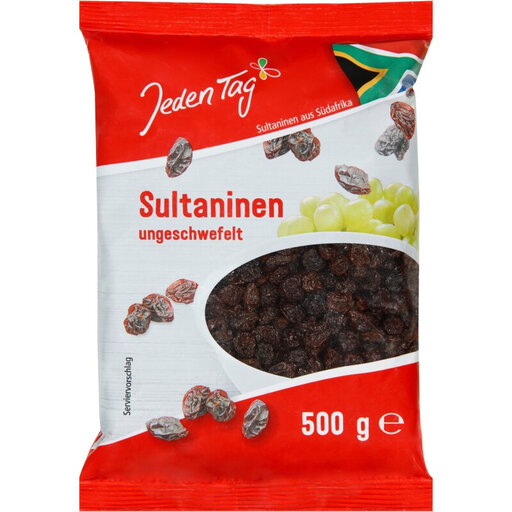
The 500 g pack could suit households that regularly use sultanas for baking or in muesli.
If other ingredients matter to you as well as the sultanas, check the information on the pack. Seal it tightly after opening.
 No image available
This pack is an option if you’re planning to use jujubes in tea or recipes, rather than sultanas in baking.
Plan the quantity so you can use the contents immediately after opening, in line with the product instructions.
 No image available
Prunes are another option for households looking to keep dried fruit in stock for baking, cooking or breakfast dishes.
Although the product is described as pitted, the description says it may contain stones or stone fragments. Check the fruit before use.
 No image available
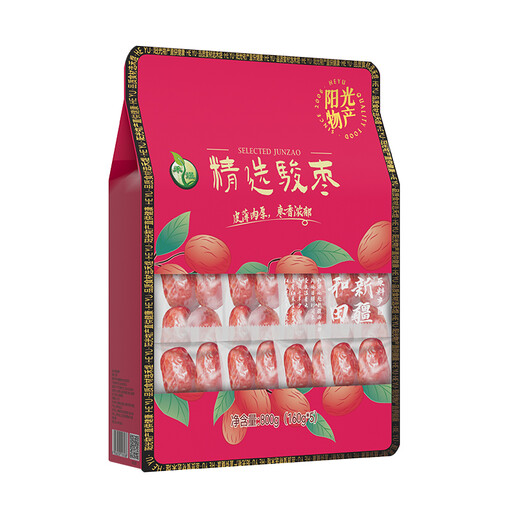
The five individual bags could suit a supply for cooked dishes such as porridge or soup, rather than for eating raw on the go.
According to the product description, wash the jujubes thoroughly and cook them fully before eating; do not eat them raw.
No. The quantity should suit how much you actually use and the storage space you have available. If you only use a fruit occasionally, a smaller pack can help prevent opened leftovers from sitting in the cupboard for too long.
No. Fruit can contain naturally occurring sugars. For the specific pack, check both the ingredients list and the nutritional information per 100 g.
Check the ingredients and allergen information on the specific pack, especially for fruit mixes. Lebensmittelklarheit lists tree nuts, as well as sulphur dioxide and sulphites above the applicable labelling threshold, as relevant allergens.
Keep opened dried fruit, or fruit transferred to another container, tightly sealed and check newly purchased supplies. The consumer advice centre recommends airtight containers to help limit the spread of pantry pests.