
Lieferung heute & morgen

Qualitätsgarantie

Willkommens-Angebote freischalten: KOSTENLOSE Lieferung | Bis zu 80 % RABATT | Kostenlose 30-Tage-JoyPlus-Testphase
App herunterladen
When temperatures rise, a reliable fan quickly goes from a luxury to a necessity. But the market is flooded with models whose marketing claims often create more confusion than clarity. Many buyers invest in a device that soon proves to be loud, ineffective, or impractical. As your Joybuy Product Recommendation Officer, I'll help you navigate the common pitfalls and make an informed decision.
Before we dive into the important features, let's uncover three common marketing traps that often lead to disappointment:
To avoid a bad purchase, you should focus on objective, measurable criteria. These three factors determine the actual performance and utility of a fan.
Airflow indicates how much air a fan can circulate per hour. This value is crucial for determining if a device is suitable for the intended room.
A quiet fan is essential, especially in a bedroom or office. Pay attention to the noise level specified in decibels (dB) on the lowest setting.
Modern devices, such as some bladeless fans, offer special sleep modes that further reduce the noise level.
The choice of power source determines the device's flexibility.
Instead of making a one-size-fits-all recommendation, we have selected models tailored to specific user profiles that meet the criteria mentioned above.
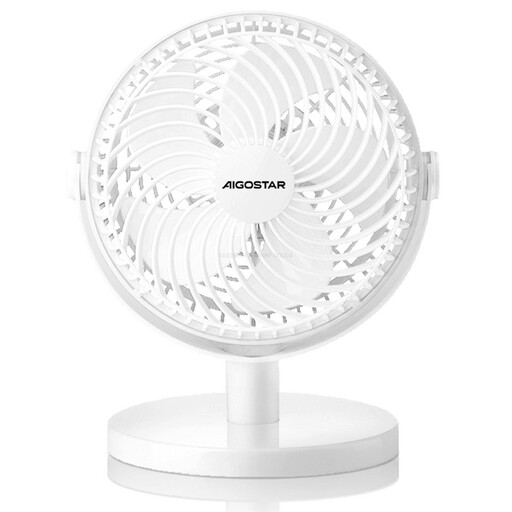
Why This Fits Their Persona: Ideal for a desk or home office. This model provides straightforward, personal cooling without a high initial cost and is conveniently powered by USB.
It doesn't promise to cool an entire room, but instead delivers a focused, quiet airflow for close-range use. The simple construction is robust and avoids fragile extra features.
360-degree tilt for precise aiming; flexible power via USB (laptop, power bank).
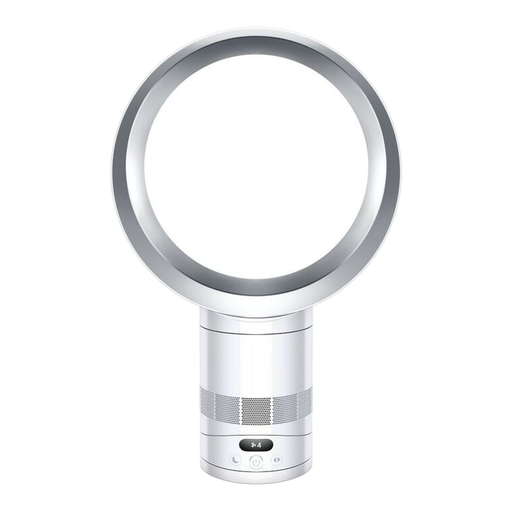
Why This Fits Their Persona: For users who value design, safety, and a verifiably quiet operation. This bladeless fan is an investment in comfort and aesthetics.
It sidesteps the short-lived construction trap with its bladeless design, which makes cleaning extremely simple. The specified noise level of 29 dB in sleep mode is a concrete value that avoids the "whisper-quiet" trap.
Air Multiplier technology for a smooth, uninterrupted airflow without blades; high safety and easy cleaning.
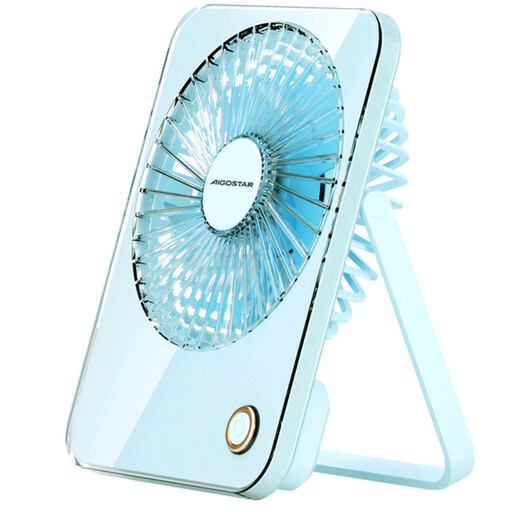
Why This Fits Their Persona: Perfect for anyone who needs cooling without a power outlet—whether on the balcony, while camping, or simply in another room. The integrated battery makes it possible.
Instead of vague promises about runtime, this model provides a clear specification for its battery capacity (3600mAh). The foldable design is a practical benefit, not just a gimmick.
180° foldable design for standing or hanging; integrated battery for hours of wireless operation.
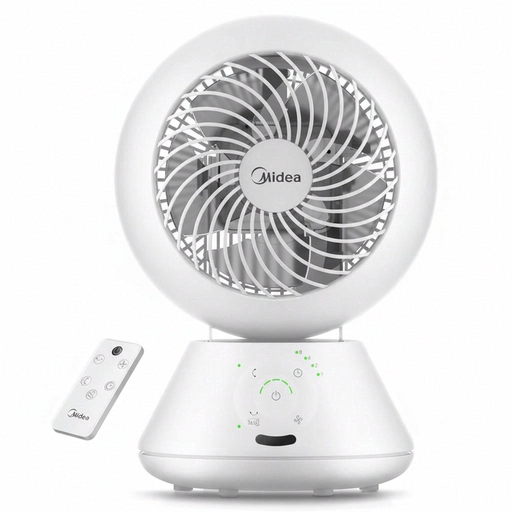
Why This Fits Their Persona: For users seeking a powerful, yet quiet and compact fan for their home office or bedroom. It offers the performance of a larger model in a desk fan's footprint.
This model escapes the wattage deception by providing concrete performance data: a high airflow of 740 m?/h with only 30W of consumption. The noise level starting at 28 dB is a verifiable value for quiet operation.
Comprehensive room coverage with 120° horizontal and 105° vertical oscillation; remote control and timer for high convenience.
We have compiled a complete, up-to-date list of products that fully meet these strict selection criteria and German safety regulations.
A fan's power consumption is very low compared to an air conditioner. A small USB mini fan often requires only 3 to 5 watts. A standard desk fan or stand fan consumes between 30 and 60 watts, depending on the setting. At an average electricity price, even hours of operation only cost a few cents.
A conventional fan creates an airflow that accelerates the evaporation of moisture on the skin, producing a cooling effect. It does not actively lower the room temperature. An air cooler (also called an evaporative cooler) draws in warm air and passes it through a water-saturated filter. The evaporation of the water cools and humidifies the air passing through it. This can lower the temperature by a few degrees but increases humidity.
Proper cleaning is crucial for air hygiene and the device's lifespan. Always unplug the fan before cleaning. On most models, the safety grille can be removed to wipe the rotor blades with a soft, dry, or slightly damp cloth. Models with removable grilles and blades (like the Midea MDF24JRW) or bladeless fans (like the Dyson Cool) have a clear advantage here, as they allow for more thorough and easier cleaning.