
Lieferung heute & morgen

Qualitätsgarantie

Willkommens-Angebote freischalten: KOSTENLOSE Lieferung | Bis zu 80 % RABATT | Kostenlose 30-Tage-JoyPlus-Testphase
App herunterladen
A practical bag that keeps your hands free while securely stowing your most important items—this is the main reason the fanny pack has once again become an everyday staple. Whether commuting to work, travelling, playing sports, or navigating family life with a stroller, the requirement is often the same: quick access to your smartphone, keys, and wallet without having to carry a bulky backpack or handbag.
This article serves as a guide. We'll introduce various models designed for different needs—from the spacious crossbody bag for daily use to the specialised running belt and the practical stroller organiser. Our goal is to provide you with the information you need to make an informed decision.
Choosing the right bag depends heavily on your intended use. Three key criteria can help guide your decision.
Consider what you need to carry. For sports activities like jogging or cycling, a slim running belt that fits snugly against the body and offers just enough space for keys, a smartphone, and perhaps an energy bar is often sufficient. For the daily commute or a city stroll, a larger hip pack or a small shoulder bag with multiple compartments is more practical. Some models even offer enough room for a small tablet, a book, or a water bottle.
The material determines durability and protection. Water-resistant fabrics are beneficial for keeping the contents dry during a light rain shower. Abrasion-resistant materials withstand daily wear and tear. Also, pay attention to the quality of the zippers and buckles. Smooth yet sturdy zippers and stable clasps are hallmarks of a well-made bag designed for frequent use.
A modern fanny pack is often a multi-functional bag. Many models can be worn not only in the classic style as a belt bag around the hips but also diagonally across the chest or back as a crossbody bag. A wide, adjustable strap is crucial here to adapt the comfort to your body shape and desired style. An ergonomic design prevents the bag from slipping or becoming a nuisance during movement.
Based on the criteria above, we have compiled a selection of models that cover a range of needs.
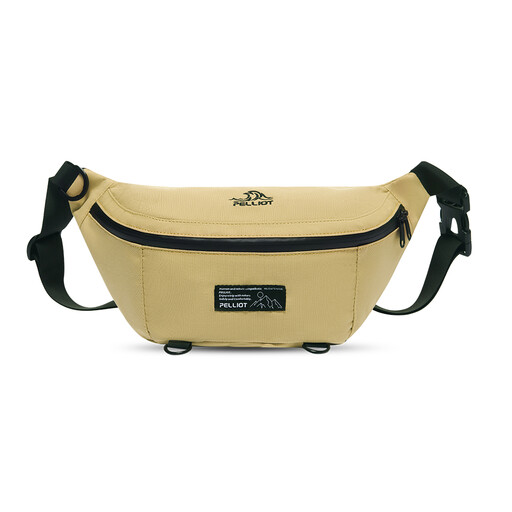
Why It Stands Out This model is distinguished by its high versatility. With four different ways to wear it—as a chest bag, crossbody bag, handbag, or classic hip pack—it adapts effortlessly to various situations. The tapered design looks compact but offers surprisingly ample storage space.
Pros
Who It's For Ideal for commuters, travellers, and anyone looking for a versatile and durable bag for daily use that combines style and functionality.
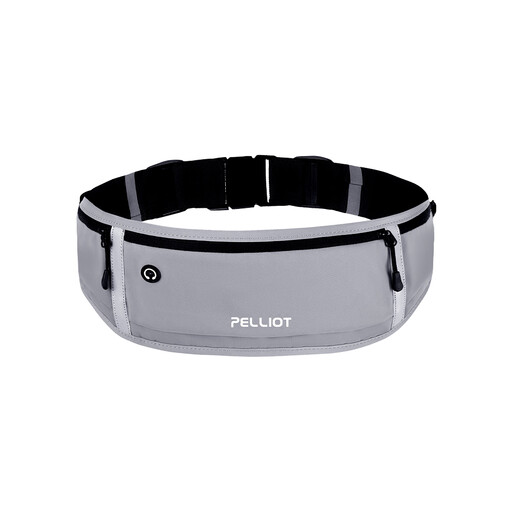
Why It Stands Out This running belt was specifically designed for athletic activities. Its key feature is the highly elastic hip belt with an ergonomic contour, ensuring a secure fit without slipping or bouncing during intense movement.
Pros
Who It's For A clear recommendation for runners, cyclists, hikers, and gym-goers who need a lightweight, secure, and functional solution for their valuables during a workout.
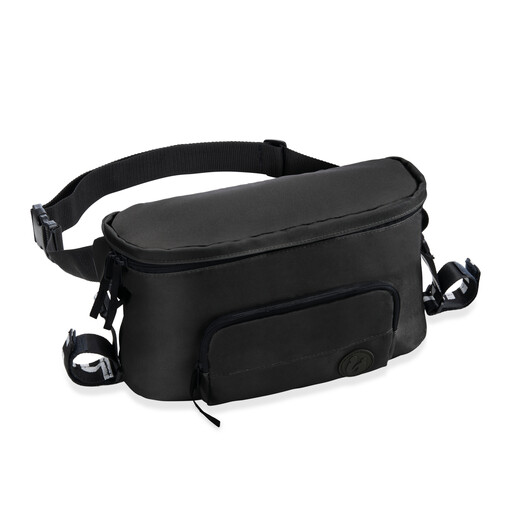
Why It Stands Out This bag is a 2-in-1 solution designed specifically for parents. It functions both as a stroller organiser that attaches directly to the handlebar and as a stylish belt bag for personal use.
Pros
Who It's For Perfect for parents looking for a flexible solution to keep essentials for themselves and their child within reach, both on the stroller and on their person.
This selection covers specific use cases. If you're looking for other styles, sizes, or colours, there is a wide range of other models to explore.
→ Discover more models in the Belt Bag category here
The classic way of wearing it around the hips is still common. However, the crossbody style, where the bag is worn diagonally across the chest or back, is particularly popular. This not only allows for quick access but is also considered a fashion statement.
The terms fanny pack, belt bag, and waist pack are largely used interchangeably in common language. They all describe a small bag worn on the body with a strap. The exact name may vary depending on the manufacturer or style, but the basic function remains the same.
Yes, there are special models for this purpose, often called running belts. These are typically slimmer, lighter, and made from elastic materials. Their design is intended to fit snugly against the body to minimise slipping or bouncing during movement.