
Lieferung heute & morgen

Qualitätsgarantie

Willkommens-Angebote freischalten: KOSTENLOSE Lieferung | Bis zu 80 % RABATT | Kostenlose 30-Tage-JoyPlus-Testphase
App herunterladen
A bike that glides effortlessly over sand, snow, and rough terrain significantly expands your options for outdoor activities. Conventional bicycles quickly reach their limits on such surfaces. A fat bike, also known as a mountain bike with fat tires, is specifically designed for these challenges. Its extremely wide tires provide exceptional traction and cushioning where narrow tires would sink or lose grip.
This article serves as a practical guide. It explains the key features of a fat bike and presents a selection of models to give you a solid basis for choosing a versatile, all-terrain bicycle.
Choosing the right model depends on a few key technical features. The following points will help you match the specifications to your personal needs.
Wheel size is a crucial factor for handling and ergonomics. The most common sizes for fat bikes are 20 and 26 inches.
On a bike for snow and sand, reliable components are essential. Special attention should be paid to the braking system and the gears.
The frame is the backbone of the bicycle. For fat bikes designed for harsh conditions, stability is more important than minimal weight. Frames made of Hi-Ten steel (high-tensile steel) are a proven choice. This material is extremely durable, resistant to impacts and vibrations, and provides a solid foundation for a long-lasting bike.
Based on the criteria above, we have compiled a selection of models that stand out for their features and intended use cases.
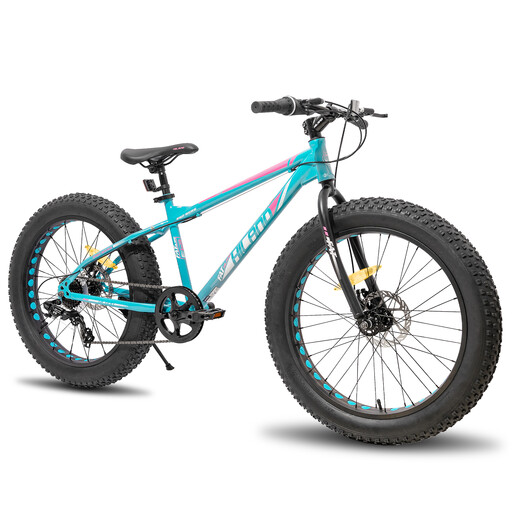
Why It Stands Out This model translates the core features of a full-sized fat bike into a kid-friendly package. It's designed as a robust entry-level bike for young adventurers who want to explore beyond paved paths.
Advantages
Who It's For This HILAND fat bike is ideal for kids and teens looking for a durable and versatile bike for recreational rides off the beaten path.
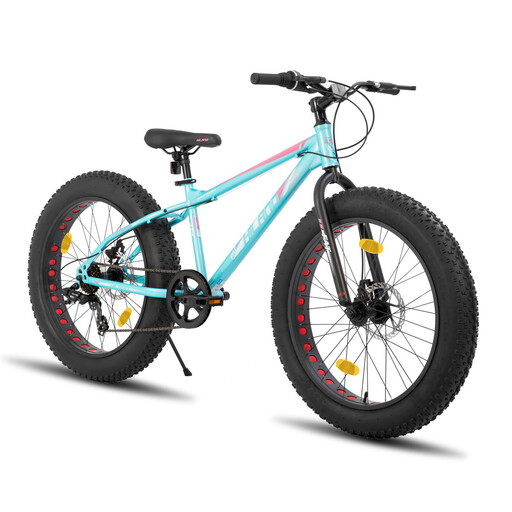
Why It Stands Out The Roon 26-inch model is a classic adults' fat bike designed for functionality and durability. It combines wide tires with proven mountain bike components to create a well-rounded package for outdoor adventures.
Advantages
Who It's For This bike is aimed at adult recreational riders and outdoor enthusiasts looking for a reliable and straightforward all-terrain bike for excursions into nature.
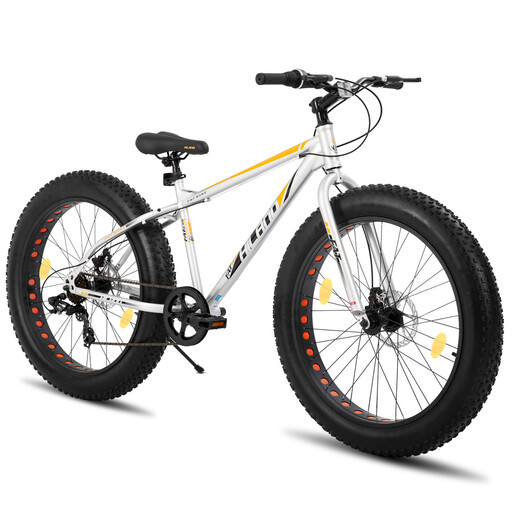
Why It Stands Out This model is technically identical to the green version, offering the same solid performance and features. The silver colorway provides a stylistic alternative for riders who prefer a more subtle design.
Advantages
Who It's For Ideal for riders who appreciate the technical advantages of the HILAND Roon 26-inch fat bike but want a color option other than green.
If you already own a mountain bike and want to upgrade it for specific conditions, or if you're looking for other components, it's worth checking out specific accessories. In our Mountain Bike Tires category, you'll find a selection of tires for various applications.
1. What is the advantage of a fat bike over a regular mountain bike? The main advantage lies in the extremely wide tires. They can be ridden at very low air pressure, which increases the contact patch on the ground. The result is a "floating" effect that allows the bike to glide over soft surfaces like deep sand, snow, or mud instead of sinking in. A normal mountain bike would quickly lose grip here.
2. Are fat bikes difficult to ride? Fat bikes are generally heavier than conventional bicycles, and the wide tires create higher rolling resistance on pavement. Off-road, however, this impression is often reversed. The enormous stability and high momentum help to overcome obstacles effortlessly. The ride feel is different, but many find it to be very secure and controlled.
3. How do you maintain the fat tires on a fat bike? Maintenance is straightforward and similar to that of regular bike tires. It's important to check the tire pressure regularly and adjust it to the terrain (lower pressure for soft ground, higher pressure for firm paths). After riding through mud, salt, or sand, the tires and rims should be cleaned with fresh water to prevent material fatigue and corrosion.