
Lieferung heute & morgen

Qualitätsgarantie

Willkommens-Angebote freischalten: KOSTENLOSE Lieferung | Bis zu 80 % RABATT | Kostenlose 30-Tage-JoyPlus-Testphase
App herunterladen
A bike that rolls effortlessly over sand, snow, and uneven forest trails—that's the appeal of a fat bike mountain bike. With their extremely wide tires, these bikes offer impressive traction and cushioning on surfaces where conventional mountain bikes reach their limits. However, the selection can be overwhelming. This article serves as a guide, presenting objective criteria to help you find the right model for your needs, whether for kids, teens, or adults.
The decision to buy a fat bike depends on a few key factors. Instead of being swayed by marketing promises, you should focus on verifiable technical specifications and the correct size.
Wheel size is the decisive criterion for the bike's fit and handling. It's measured in inches and is primarily based on the rider's height.
A robust bike needs reliable components. Two aspects are particularly relevant here:
Based on the criteria above, we have compiled a selection of models that stand out for their functional features and wide range of applications.
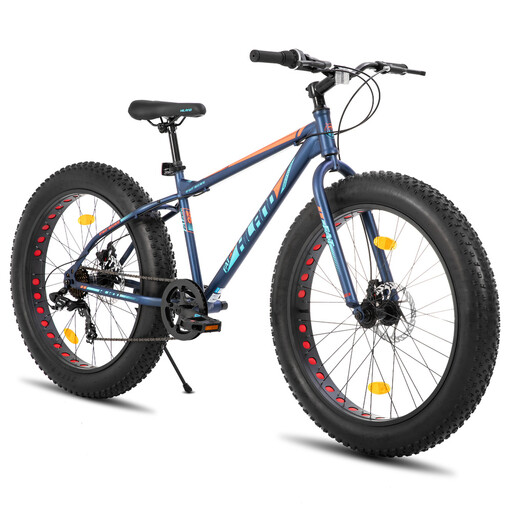
Why it stands out: The 24-inch HILAND Roon bridges the gap between kids' bikes and full-sized adult fat bikes. Its durable hi-ten steel frame is designed to absorb impacts and provide a long-lasting foundation for adventure.
Advantages:
Who it's for: Teenagers and smaller adults looking for a versatile and eye-catching fat bike mountain bike for recreational rides on varied surfaces.
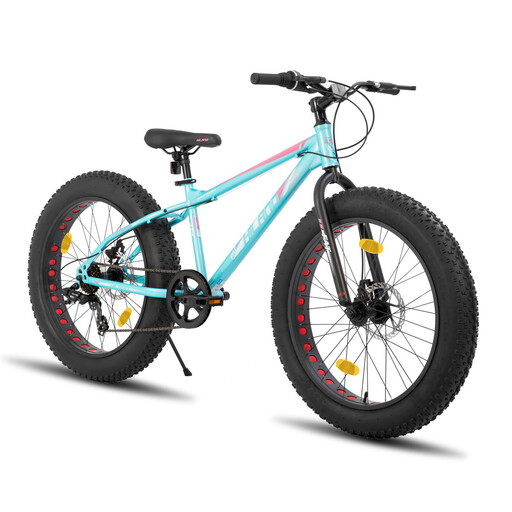
Why it stands out: This model is the full-sized version of the Roon, aimed at adults seeking a straightforward and robust bike for snow and sand. The sturdy steel frame and proven components make it a solid entry point into the world of fat bikes.
Advantages:
Who it's for: Budget-conscious adult fat bike riders who want a versatile bike for tours off the beaten path and value a striking appearance.
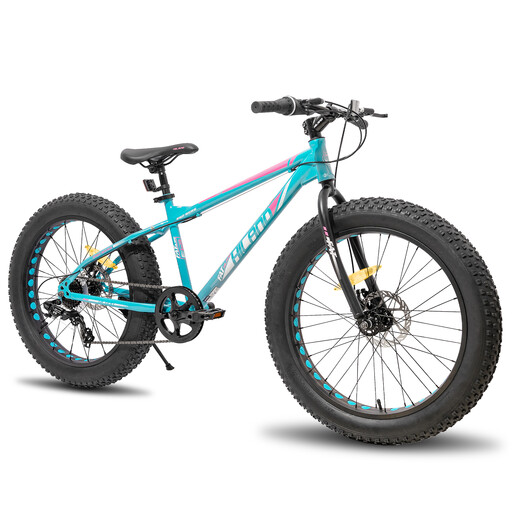
Why it stands out: The 20-inch HILAND Fat Bike allows even younger riders to safely experience the fun of a fat bike. The geometry and components are tailored to the needs of children without compromising on off-road capability.
Advantages:
Who it's for: Kids who want a robust and cool-looking kids' fat bike model for rides in the park, on forest trails, or at the beach.
If the fat bikes presented here don't fully meet your expectations, or if you'd like to compare other models, especially in the youth bike category, you can find a wider selection of bikes for young riders in our Girls' Bikes category.
1. What is the main advantage of a fat bike mountain bike? The key advantage lies in the enormous contact patch of the wide tires. This results in significantly better traction on loose or soft surfaces like sand, snow, mud, or loose gravel. Additionally, the tires act as natural suspension, increasing ride comfort on uneven trails.
2. Is a fat bike also suitable for everyday use on asphalt? A fat bike can be used for daily commuting, but it's not optimised for this purpose. Due to the higher weight and greater rolling resistance of the tires, riding on asphalt is more strenuous than with a city or trekking bike. A mountain bike with thick tires primarily showcases its strengths off-road.
3. How do I find the right frame size for a fat bike? As with other bikes, the right size is based on your height and inseam length. The wheel size serves as an initial guide: 20-inch fat bikes for kids (approx. 120–145 cm), 24-inch fat bikes for teens and smaller adults (approx. 140–160 cm), and 26-inch fat bikes for most adults (from approx. 160 cm). For a precise fit, the frame height specified in the product details should also be considered.