
Lieferung heute & morgen

Qualitätsgarantie

Willkommens-Angebote freischalten: KOSTENLOSE Lieferung | Bis zu 80 % RABATT | Kostenlose 30-Tage-JoyPlus-Testphase
App herunterladen
By the Joybuy Product Recommendation Officer, August 30, 2026
Artificial plants offer an attractive way to add more life and colour to rooms without the hassle of plant care. However, the market can be overwhelming, and not every artificial plant meets the expectations of stylish decor. Many buyers only realize after some time that their new decor piece looks cheap, fades quickly, or simply doesn't match their interior. To help you with your selection, we'll highlight the most common pitfalls and show you which features to look for.
A conscious purchasing decision begins with knowing the typical flaws that often only become apparent after the purchase.
To avoid these mistakes, you should check a few key parameters before buying. These will help you make a durable and aesthetically pleasing choice.
Realistic artificial plants are distinguished by the use of high-quality materials like polyethylene (PE) or special fabric blends. Pay attention to details that mimic a real plant:
These features are crucial for whether a plant is convincing even up close, whether as modern table decor in the dining room or as greenery in the form of office artificial plants.
The container is an integral part of the decoration. Potted artificial plants should have a solid and stylistically appropriate base.
Think carefully about where the plant will be placed. A long, low arrangement like artificial succulents is excellent as a centerpiece on a dining table. Taller decorative artificial grass can fill an empty corner or brighten up a desk. Measure the available space to ensure the proportions are right and the plant looks neither too bulky nor too insignificant.
Based on the quality criteria mentioned, we have identified some products that are suitable for different application profiles.
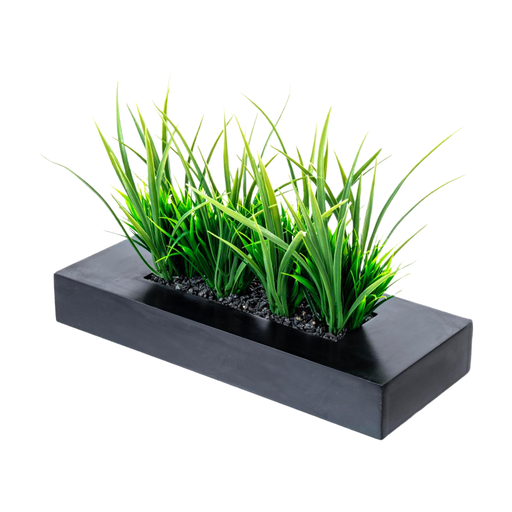
Why This Fits Their Persona: Ideal for a tidy, modern work environment. The design is unobtrusive and professional, yet adds a touch of green without distracting from work. Perfect for desks, reception counters, or conference rooms.
The matte black wooden box is sturdy and stylish, avoiding the pitfall of a cheap, unstable plastic pot. The minimalist design looks high-quality and not cluttered.
The combination of four grass tufts and black pebbles creates a clean, structured look. The included bottom pads protect sensitive surfaces.
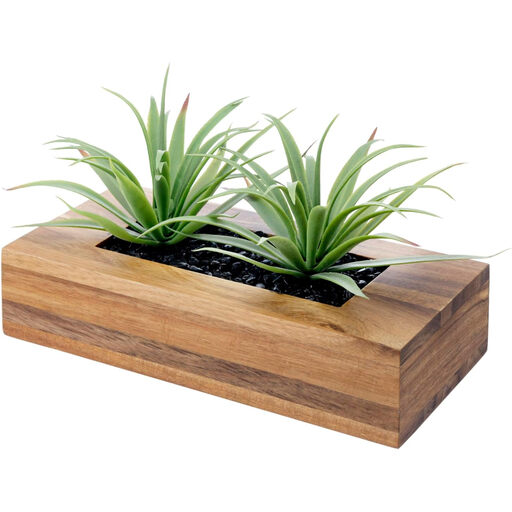
Why This Fits Their Persona: Perfect for lovers of natural materials and a warm, inviting atmosphere. The solid acacia wood pairs well with Scandinavian, rustic, or Boho interior styles and adds an organic accent.
The solid acacia wood box is a clear statement against cheap plastic pots. The natural material and solid craftsmanship give the arrangement a sense of value and stability.
Its compact, low profile (approx. 24 cm length) makes it a versatile, low-maintenance decor piece for windowsills, shelves, or as a table centerpiece without obstructing the view.
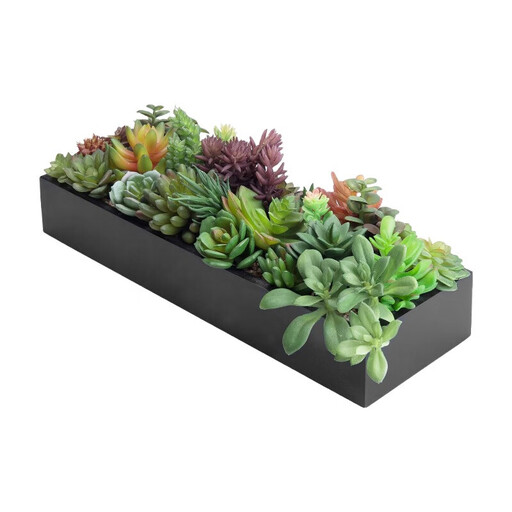
Why This Fits Their Persona: For anyone looking to style a long dining table, a sideboard, or a wide windowsill with a distinctive yet low-maintenance decorative element. The variety of succulent shapes provides visual interest.
The detailed design of the various artificial succulents with different shapes and shades of green looks significantly more realistic than simple, shiny plastic plants, thus avoiding the "plastic look."
The impressive length of approx. 40 cm effectively fills large spaces. The simple black wooden box provides a strong contrast to the green of the plants and suits many modern interior styles.
We've compiled a complete, up-to-date list of products that fully meet these strict selection criteria and applicable safety regulations.
Cleaning is straightforward. For most artificial plants, it's sufficient to regularly remove dust with a soft, dry cloth or a duster. For heavier soiling, the leaves can be gently wiped with a slightly damp cloth. Avoid harsh cleaning agents, as they could damage the material.
Colour fastness depends on the material quality and any UV protection. Higher-quality models are often treated with UV inhibitors that slow down rapid fading from direct sunlight. For a spot on a very sunny windowsill, it is advisable to specifically look for products with explicit UV protection or to rotate the plant occasionally.
Pay attention to the details: Do the leaves have different sizes and shades of colour? Are fine structures like leaf veins visible? Another indicator is the pot—solid materials like wood, ceramic, or heavy plastic suggest a higher overall quality than a lightweight, thin-walled plastic pot. A good artificial plant doesn't try to look perfect, but rather to replicate the natural imperfections of a real plant.