
Lieferung heute & morgen

Qualitätsgarantie

Willkommens-Angebote freischalten: KOSTENLOSE Lieferung | Bis zu 80 % RABATT | Kostenlose 30-Tage-JoyPlus-Testphase
App herunterladen
The right decor can transform a room, but not everyone has the time or conditions to care for real plants. Artificial plants offer a durable, low-maintenance alternative. However, the market can be overwhelming, and quality differences are significant. Before making a purchase, it's crucial to understand the common pitfalls that can lead to a disappointing result.
This guide will help you identify the essential features and make a choice that meets your aesthetic and practical needs.
Investing in artificial plants should enhance your space, not detract from it. Watch out for these three common problems to avoid a bad purchase:
To find long-lasting and aesthetically pleasing faux plant decor, you should examine three core aspects. These will help you objectively assess the quality.
The material is the primary determinant of realism. Basic PE (Polyethylene) is often used for inexpensive models and can appear shiny and stiff. Higher-quality options include:
When you buy fake plants, attention to detail is a clear indicator of quality. Look for varying leaf sizes, fine veins, and natural colour transitions.
The pot significantly contributes to the overall effect. Potted artificial plants should have a solid base. Materials like cement, ceramic, or solid wood not only provide the necessary weight for a secure footing but also enhance the decorative appeal. A heavy pot is especially important for taller plants or artificial grass decor to prevent tipping. The pot's design should harmoniously complement your modern table decor or office decor.
Measure the intended space before you buy. Small artificial plants are excellent for desks, shelves, or side tables. Larger specimens create focal points on the floor or in empty corners. Also, consider the specific conditions of the room. For bathroom decoration, artificial bathroom plants made from water-resistant materials like plastic and ceramic are the right choice, as wood or untreated metals could be damaged by moisture.
Here are some recommendations tailored to specific needs and interior styles.
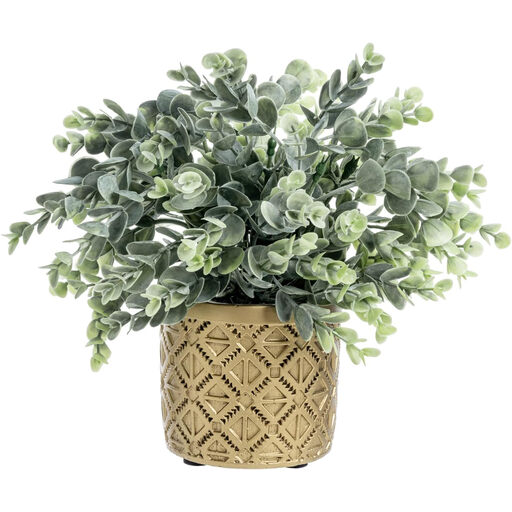
Why This Fits Their Persona: Ideal for professionals seeking a sophisticated and zero-maintenance desk or shelf decoration. The gold-toned cement pot adds a modern, high-end accent to any office environment.
The heavy cement pot ensures stability and avoids the look of a cheap plastic pot. The geometric design is intentionally modern and stylish.
Combines a trendy eucalyptus look with a solid, decorative pot. No maintenance required, making it perfect for busy workplaces.
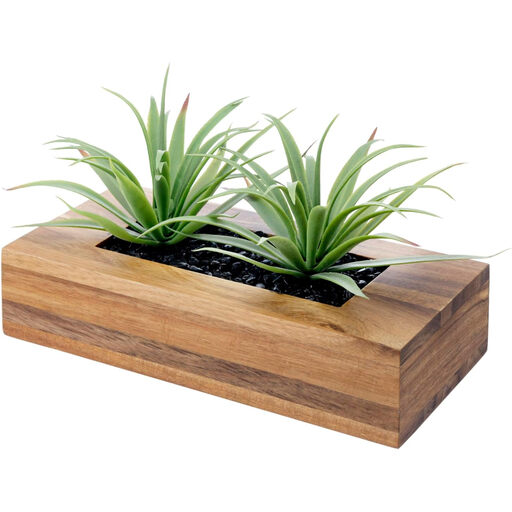
Why This Fits Their Persona: Perfect for anyone looking for a natural yet uncluttered accent. The rectangular solid wood planter fits ideally on windowsills, sideboards, or as a modern table centerpiece.
The planter box, made of solid acacia wood, is a high-quality natural material that stands out from standard plastic pots. The artificial grass look is simple and avoids overly busy, synthetic designs.
Elegant, low-profile design that seamlessly integrates into modern and natural decor styles. The included bottom pads protect sensitive surfaces.
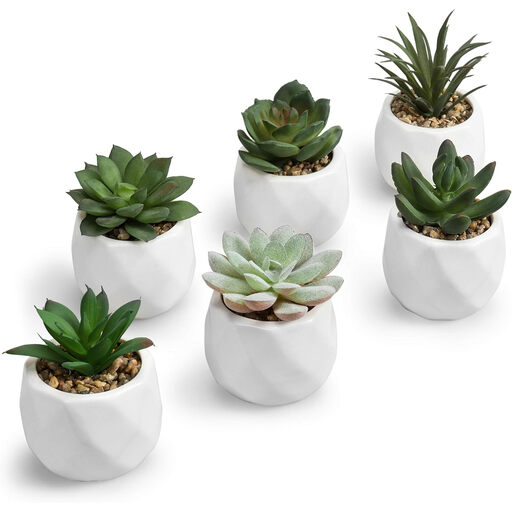
Why This Fits Their Persona: This set offers a straightforward way to liven up multiple small areas like desks, bathroom counters, or bookshelves. The variety of succulents provides visual interest.
The set comes in matching geometric ceramic pots, which guarantees a cohesive look and bypasses the pitfall of mismatched pots. The succulents are designed with rich detail.
Six different plants for maximum decorating flexibility. The compact size is ideal for small spaces. The white pots match almost any interior style.
We have compiled a complete, up-to-date list of products that meet these strict selection criteria and quality standards.
Cleaning is straightforward. For most artificial plants, regularly dusting them with a soft, dry cloth or a duster is sufficient. For heavier dirt, the leaves can be gently wiped with a slightly damp cloth. Avoid aggressive cleaning agents, as they could damage the colours or the material.
The quality has improved significantly in recent years. High-end models use materials like silk or PU, detailed moulds, and elaborate dyeing techniques to replicate the veins, textures, and colour gradients of real plants. The key is to pay attention to detail and avoid products made from shiny, single-colour plastic.
Most artificial plants are designed for indoor use. Direct sunlight, rain, and frost can damage the materials and cause the colours to fade quickly. If you are looking for a plant for outdoor use, look specifically for products labelled as UV-resistant and suitable for outdoor placement. Otherwise, placing them outdoors is not recommended.