
Lieferung heute & morgen

Qualitätsgarantie

Willkommens-Angebote freischalten: KOSTENLOSE Lieferung | Bis zu 80 % RABATT | Kostenlose 30-Tage-JoyPlus-Testphase
App herunterladen
A feather and down duvet 135x200 cm can suit different sleeping conditions, depending on its filling weight and construction. This size fits a single bed in many UK homes and is a popular choice for adults, teenagers and guest rooms.
However, it’s easy to get caught out when buying a duvet. A higher filling weight doesn’t automatically mean a more comfortable sleeping temperature, and the label ‘allergy-friendly’ is no substitute for checking the product details. If you’re looking for a breathable duvet, a machine-washable option or an RDS-certified down duvet, compare the filling, care and certification information carefully.
A summer duvet usually has a lighter filling than a warm winter duvet. But filling weight alone doesn’t tell you how warm a duvet will be. The ratio of feathers to down, the quilting and the cover fabric also affect how comfortable it feels to sleep under.
An all-season duvet or 4-season duvet 135x200 often consists of two duvets that can be fastened together. This lets you combine a lightweight duvet for warm nights with one suited to cooler weather. Before you buy, check whether the set really includes two separate duvets or just one thicker option.
Down is lighter and loftier, while feathers have quills that give them a different feel and structure. Many products contain a blend of both, so it’s worth checking:
According to the product description, the DOWNFOCUS option has a filling of 90% feathers and 10% down, with a combination of 200 g/m² and 450 g/m². These figures help you compare the options, but your choice should also take account of your room temperature and how warm you like to sleep.
An OEKO-TEX certificate relates to specified tests for harmful substances in textiles; it doesn’t automatically demonstrate animal welfare. An RDS-certified down duvet or a Downpass reference, on the other hand, relates to requirements for the supply chain and the treatment of down and feathers, provided the relevant certification is stated for the specific product.
If you have sensitive skin or a dust mite allergy, also check for a tightly woven cover, clear care instructions and machine-washability. ‘Hypoallergenic’ or ‘non-allergenic’ describes a product feature and isn’t a medical guarantee.
If you want to adapt your bedding from summer through autumn to winter, a two-part duvet gives you more flexibility. If you tend to feel cold at night, a single warm duvet with a higher filling weight may be more practical.
A tightly woven cotton cover can help prevent filling from escaping. Box or square quilting keeps the filling more evenly distributed and can help reduce cold spots. At the same time, the cover should be breathable, so moisture doesn’t build up unnecessarily while you sleep.
So, when you see a breathable duvet described as such, check the material and construction details too. For a machine-washable duvet, the recommended temperature, drying instructions and care label are also important. Not every feather duvet can be washed at the same temperature or tumble-dried in the same way.
The following information may be useful when choosing a duvet:
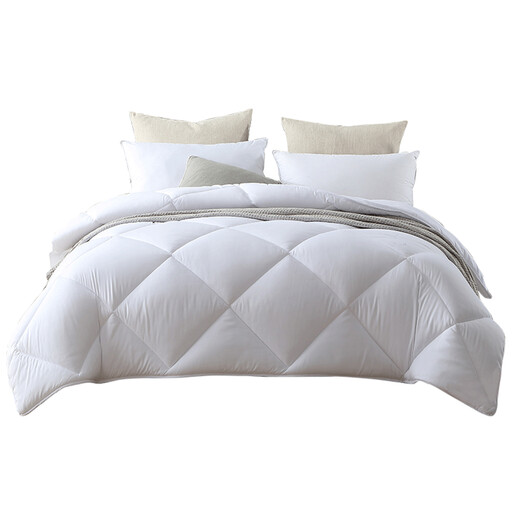
Why it suits this profile: Described as an all-season duvet, this option is for shoppers looking for a versatile choice for summer, autumn and winter, without having to navigate a complicated selection.
The product name specifically describes it as suitable for several seasons, as well as washable and non-allergenic. Check these details against the care label before buying.
Described as breathable, soft and washable, and suitable for year-round use; available in 135 x 200 cm.
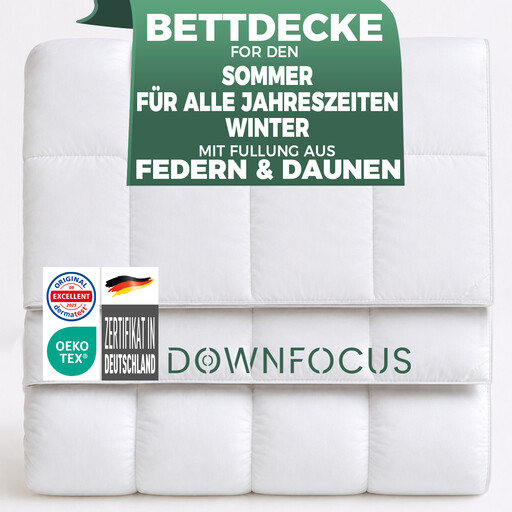
Why it suits this profile: Its two-part design makes it an appealing choice if you want to combine a summer duvet with an additional all-season duvet.
The product description gives separate filling weights of 200 g/m² and 450 g/m². This lets you adjust the warmth to suit the season, rather than relying on a single overall filling weight.
The product description states that it contains 90% feathers and 10% down, and lists OEKO-TEX, RDS and Downpass credentials.
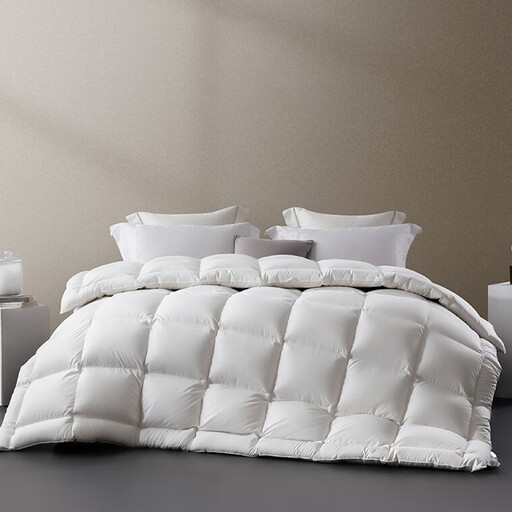
Why it suits this profile: Described as extra warm and thick, this duvet is aimed at people who prefer a cosy option for autumn and winter in cooler bedrooms.
The product name clearly identifies it as an extra-warm, thick winter option. That makes it easier to understand its intended use than a general ‘all-season’ label would.
Described as a duck feather and down duvet for summer, autumn and winter, with extra-warm insulation.
We’ve put together a complete, regularly updated list of products that meet these strict selection criteria and fully comply with the safety regulations in force in the EU.
How long a duvet lasts depends on its filling, stitching, how often it’s used and how well it’s cared for. Shake out your feather duvet regularly, and avoid leaving it compressed for long periods during the day. A breathable duvet cover can absorb moisture and reduce direct contact with the duvet.
Before washing, it’s important to:
A machine-washable duvet isn’t necessarily designed for frequent washing. If you have allergies, washable bedding, regular airing and a tightly woven cover may also be helpful. These steps don’t amount to medical advice.
For warm nights, a lightweight summer duvet with a lower filling weight is usually a better choice than a thick winter option. If temperatures vary, a 4-season duvet may be more practical, provided the individual duvets can be used separately.
This depends on the care label, the cover and how you use the duvet. Frequent washing can put strain on the filling and cover fabric. Between washes, regular airing and shaking out the duvet, along with using a washable duvet cover, are possible ways to keep it fresh.
There’s no one-size-fits-all answer. Check for a tightly woven cover, specific information about suitability for allergy sufferers and whether the duvet is washable. A product description isn’t a medical guarantee and can’t replace personalised advice if you have symptoms.