
Lieferung heute & morgen

Qualitätsgarantie

Willkommens-Angebote freischalten: KOSTENLOSE Lieferung | Bis zu 80 % RABATT | Kostenlose 30-Tage-JoyPlus-Testphase
App herunterladen
Felt-tip pens are ideal for writing, drawing, colouring and creative techniques such as hand lettering. The choice ranges from simple felt tips for children to brush pens, artist pens and dual-tip markers for illustrations. However, a large choice of colours alone doesn’t tell you much about how practical a set will be for everyday use.
A marker set with 60 or 120 colours may seem versatile at first. But a precise tip is essential for fine outlines, notes or manga drawings. Calligraphy and hand lettering, on the other hand, call for a flexible brush tip. If you focus only on the number of pens, you may end up with lots of similar shades but not the right combination of tips.
You can blend water-based pens with water on suitable paper. That doesn’t automatically mean the ink can be completely removed from every fabric or surface. When choosing pens for children, look specifically for washable ink. Even then, it’s best to treat any stains as soon as possible.
Water-soluble ink can be useful for sketches, journalling and watercolour effects. If you want to archive drawings or work over them with other colours, pigment-based or waterproof drawing pens are a better choice. Conversely, waterproof markers aren’t always suitable for children, school exercise books or designs that need to be easy to correct.
The tip determines how versatile a pen is:
A specification such as 0.4 mm fineliner or 1–6 mm flexible brush tip is more useful than a general description such as “multi-functional”. Standard felt-tip pens often have a line width of around 1.0 mm, making them suitable for school, notes and colouring books.
Water-based pens are designed for paper, card and many creative projects. For watercolour effects, choose paper that’s sturdy enough, as thin paper may buckle or let the colour show through on the other side.
Alcohol-based markers usually dry faster and can be suitable for layering. However, they may bleed through paper more, and should be used in well-ventilated rooms. For children and school projects, water-based felt-tip pens are often the more obvious choice, provided you follow the safety information and age recommendations.
A triangular barrel can help you hold a pen comfortably during longer writing sessions. Caps should fit securely and be replaced after every use. Some models feature DRY SAFE, which, according to the product description, means the pen should not dry out for a certain period without its cap, based on the stated test standard. Even so, this doesn’t replace the need to cap pens carefully.
Store many felt-tip pens horizontally, particularly if the manufacturer recommends this for the ink. Replacement tips are a useful feature for frequent users. Take extra care with children under three, as small parts may pose a choking hazard. Always check the age recommendation.
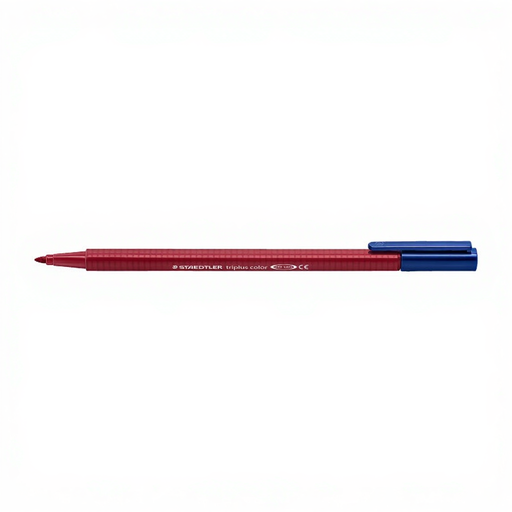
Why this product suits this profile: With a line width of around 1.0 mm, this single felt-tip pen is a handy way to add a specific colour to your existing collection without having to buy a large set.
The specified tip width and single colour make it easy to choose. According to the product description, the ink is water-based and washable from most fabrics.
Triangular barrel, durable synthetic tip and, according to the product information, a DRY-SAFE design with a cap that meets safety standards.
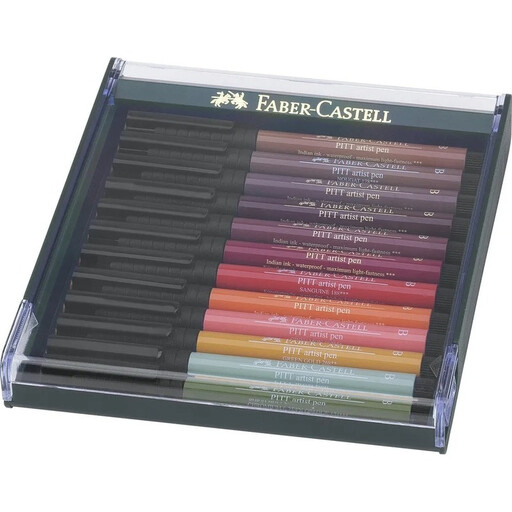
Why this product suits this profile: This 12-piece set in earth tones is designed for anyone looking to create hand lettering, sketches, bullet journals or illustrations with a carefully chosen colour palette.
The product description specifies a flexible brush tip and pigmented, waterproof drawing ink. This makes it easier to tell what the pens are designed for than with a generic set of felt tips.
Flexible brush tip, 12 earth tones and, according to the product information, waterproof, permanent ink. Remember to store the pens horizontally, as recommended.
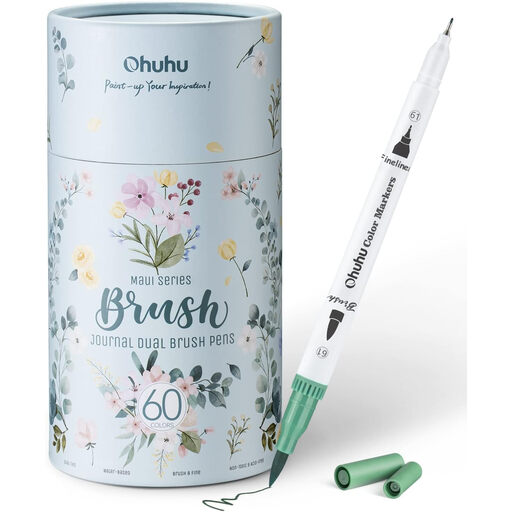
Why this product suits this profile: The combination of a 0.4 mm fineliner and a 1–6 mm brush tip gives you different tools for colouring books, drawing, journalling and calligraphy.
Two tips on each pen reduce the need for several separate types of pen. According to the product description, a colour chart helps you match the numbered colours.
60 colours, two tips per pen, water-based ink and five replacement tips, according to the product information. For watercolour effects, you’ll need suitable, heavier paper.
We’ve put together a complete, regularly updated list of products that meet these strict selection criteria and fully comply with the safety regulations in force in the EU.
For children, look for models with water-based, washable ink, secure caps and an age recommendation that’s right for them. Products with small parts should be kept out of reach of children under three. “Washable” usually refers to the fabrics specified by the manufacturer, and doesn’t guarantee that every stain will come out completely.
How long they last depends on how often you use them, how much pressure you apply, the paper and how you store them. Replace the caps as soon as you’ve finished drawing. For some inks, storing pens horizontally can help maintain an even flow. If you use your pens often, replacement tips or a set with several tip options are useful features.
Brush pens with flexible tips are ideal for hand lettering, as the line width changes with the pressure you apply. A fineliner makes a useful addition for outlines and small letters. If you need waterproof results, check the ink type and the information on water resistance before you buy.