
Lieferung heute & morgen

Qualitätsgarantie

Willkommens-Angebote freischalten: KOSTENLOSE Lieferung | Bis zu 80 % RABATT | Kostenlose 30-Tage-JoyPlus-Testphase
App herunterladen
A heavy feeling in your stomach or uncomfortable bloating can significantly disrupt your daily life. In such moments, many people reach for a cup of herbal tea, and the combination of fennel, anise, and caraway is a time-tested classic. However, the market is crowded, and not every product that promises well-being delivers on its claims. Before you make a decision, it's important to know the most common pitfalls that can lead to an unsatisfying purchase.
The two most common problems when buying herbal teas are:
This guide will help you navigate these issues and find a digestive tea that suits your needs.
To select a suitable herbal tea for your well-being, you should pay attention not just to the name, but especially to the details. Three parameters are particularly revealing.
A look at the ingredient list is the quickest way to assess a tea's quality. For a fennel-anise-caraway tea, the list should ideally be short and clear: Fennel, Anise, Caraway. Products that list terms like "flavouring" or types of sugar (e.g., dextrose, fructose) are often a compromise. Pure herbal blends offer a more authentic taste experience and do without unnecessary additives. Such a tea can be a good choice as a tea for stomach aches or as a general digestive tea, as it focuses on the essential components.
Quality seals provide information about cultivation and processing standards. Look for recognised certifications that prove responsible production:
Such seals are an indicator that the manufacturer values the quality of their raw materials, which is often reflected in the final product.
Proper preparation is crucial to release the active ingredients from the herbs and to ensure a safe food product. The manufacturer's instructions on steeping time and water temperature are not arbitrary recommendations. Herbal teas should always be infused with boiling water. A steeping time of 5 to 8 minutes is common to ensure that the herbs can fully develop their properties and that the product is microbiologically safe. A fennel tea that is steeped for too short a time can taste watery, while steeping it for too long can make it bitter.
Based on these criteria, we have compiled a selection of products suitable for different needs and preferences.
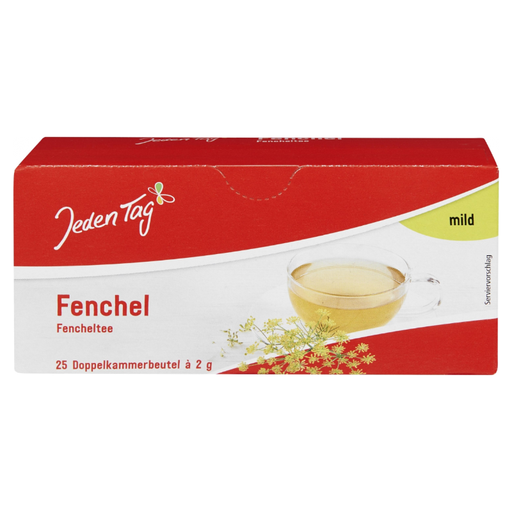
Why This Fits Their Persona: A straightforward and budget-friendly option for those who specifically want the benefits of fennel. Ideal for daily family use.
The ingredient list consists of just one component: 100% fennel. This ensures no hidden sugars or artificial flavours.
Rainforest Alliance certified, which guarantees a certain standard in raw material sourcing at a very accessible price point.
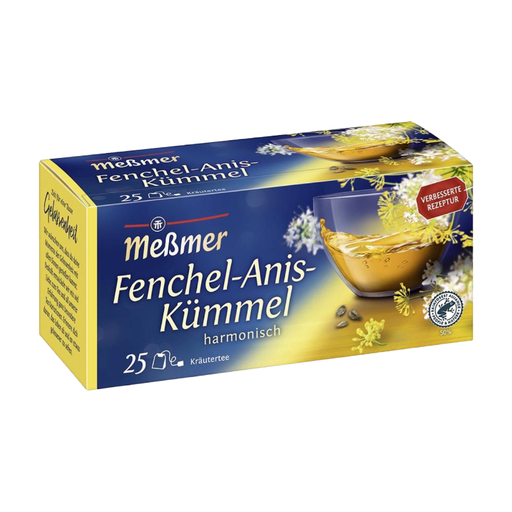
Why This Fits Their Persona: Perfect for anyone seeking the traditional, harmoniously balanced flavour of the three herbs. A reliable choice from a well-known brand like `Me?mer Tee`.
The ingredient list is clear and limited to the essentials: fennel, caraway, and anise. No additional flavourings are used.
The blend is specifically designed for a balanced flavour profile. Additionally, the tea is gluten-free, lactose-free, and Rainforest Alliance certified.
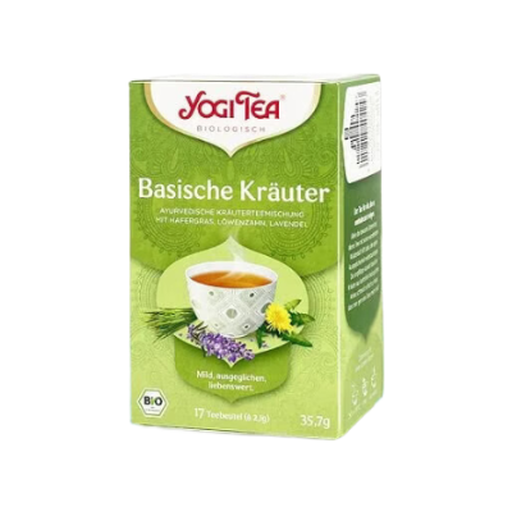
Why This Fits Their Persona: For consumers who take a holistic approach and value organic ingredients and a complex herbal blend for overall well-being.
Its organic certification ensures the absence of synthetic additives and pesticides. The ingredient list is transparent and complete.
An Ayurvedic herbal blend that includes dandelion and lavender in addition to fennel, aimed at promoting inner balance. A `herbal tea for well-being` in the broadest sense.
We've compiled a complete, up-to-date list of products that fully meet these strict selection criteria.
For most healthy adults, enjoying two to three cups of fennel-anise-caraway tea per day is generally safe. However, it is advisable to listen to your body's signals and not to exceed the recommended daily intake stated on the product packaging.
The herbal combination of fennel, anise, and caraway has been traditionally valued for generations as a household remedy for feelings of fullness and bloating. The essential oils they contain are known for their characteristic properties. This is a food product, not a medicinal one; therefore, specific medical effects cannot be claimed.
Tea bags primarily offer convenience and easy portioning. However, the quality can vary significantly. Loose-leaf tea often consists of larger, whole leaf or plant parts, which many tea connoisseurs prefer. For everyday use, a high-quality tea bag, where attention has been paid to the purity of ingredients and good raw material quality, is a very practical and good choice.