
Lieferung heute & morgen

Qualitätsgarantie

Willkommens-Angebote freischalten: KOSTENLOSE Lieferung | Bis zu 80 % RABATT | Kostenlose 30-Tage-JoyPlus-Testphase
App herunterladen
The world of Asian seasoning pastes can seem complex at first glance. Anyone wanting to prepare authentic dishes like Mapo Tofu, Jajangmyeon, or Korean BBQ often faces a shelf full of jars with different labels. However, finding the right fermented bean paste is crucial for authentic flavor. As a Joybuy Product Recommendation Officer, this guide is designed to offer you clear direction and help you select the perfect paste for your next culinary project. We'll focus on the facts and applications so you can make an informed decision.
Choosing the right paste depends heavily on the intended dish and your personal taste preferences. Here are some objective criteria to help you decide.
Asian bean pastes are deeply rooted in their regional cuisines. A Chinese bean paste like Doubanjiang from Sichuan is the foundation for spicy dishes, while a Korean soybean paste like Chunjang for Jajangmyeon delivers a completely different, savory-sweet flavor. Check which cuisine the paste is primarily intended for. If you're looking for a dipping sauce for grilled foods, Ssamjang is a suitable choice. If you need a base for a stew, a cooking paste is more appropriate.
The type of bean largely determines the flavor profile.
Some pastes are intended as ready-to-use condiments, while others are a base ingredient that needs to be cooked. A chili oil with beans like Lao Gan Ma Chili Oil can be drizzled directly over food. Cooking pastes like Chunjang or Doubanjiang only release their full aroma when fried in oil before other ingredients are added.
Here is a selection of different bean pastes, each representing specific applications in Asian cuisine.

What makes it stand out: This product is a classic among Chinese condiments. It combines fermented black soybeans (Douchi) with crispy chili pieces in an aromatic oil. The flavor is complex, salty, and rich in umami, complemented by a pleasant heat and a crunchy texture.
Pros:
Who it's for: Ideal for anyone looking for a versatile condiment to quickly and easily add more flavor and an interesting texture to their meals. It's less of a cooking base and more of a finishing oil and topping.

What makes it stand out: This paste, also known as Pixian Doubanjiang, is considered a key ingredient in Sichuan cuisine. It is made from fermented broad beans, salt, and chilies using traditional methods. Its aroma is robust, salty, and spicy. For full flavor development, it should be fried in hot oil until the oil turns reddish.
Pros:
Who it's for: A must-have for home cooks who want to prepare authentic Sichuan dishes. If you love the characteristic flavor of Mapo Tofu, you need this paste as your foundation.
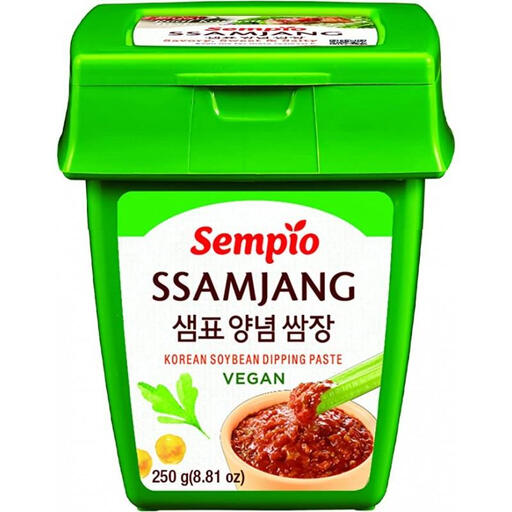
What makes it stand out:Ssamjang is a seasoned Korean mixed paste. It typically combines soybean paste (Doenjang) and chili paste (Gochujang) with other ingredients like garlic, onions, and sesame oil. The result is a well-balanced paste that is salty, slightly sweet, and mildly spicy.
Pros:
Who it's for: Perfect for lovers of Korean cuisine, especially Korean BBQ. Anyone looking for a simple and flavorful dipping sauce that pairs well with meat, lettuce wraps (Ssam), and vegetable sticks will find this an excellent choice.
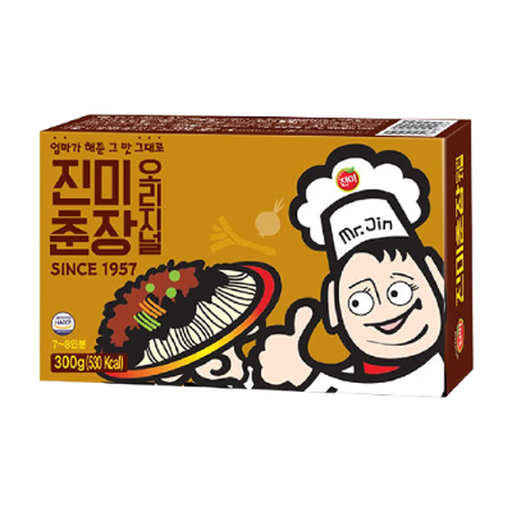
What makes it stand out: This paste, known as Chunjang, is the essential ingredient for the famous Korean-Chinese noodle dish, Jajangmyeon. It is made from fermented soybeans and wheat flour, and has a deep black color and a rich, savory, and slightly sweet flavor.
Vorteile:
Who it's for: Indispensable for anyone who wants to recreate the popular dish Jajangmyeon at home. If you're looking to buy the right black bean paste for this specific dish, this is the one.
This selection covers some of the most common use cases, but the world of bean pastes is even more diverse. If you are looking for other varieties or a specific spicy bean paste, you can find additional options in our broader category.
Explore our full range of Asian seasoning pastes here
1. What is the difference between Chinese and Korean bean paste? The main difference often lies in the ingredients and flavor profile. Chinese pastes like Doubanjiang are frequently based on broad beans and chilies and are known for their robust, salty heat. Korean pastes like Doenjang (soybean paste) are earthy and salty, while Gochujang (chili paste) has a sweet and spicy note. Ssamjang and Chunjang are, in turn, specific mixed or specialty pastes for particular dishes.
2. How do I store fermented bean paste after opening? Once opened, most fermented bean pastes should be stored tightly sealed in the refrigerator. This slows down the fermentation process, preserves freshness, and prevents contamination. Always use a clean utensil to scoop paste from the jar.
3. Can I eat fermented bean paste straight from the jar? That depends on the type of paste. Condiments and dips like Lao Gan Ma Chili Oil or Ssamjang are designed for direct consumption. Cooking pastes like Pixian Doubanjiang or Chunjang, however, should be fried in oil before eating. This step is crucial to activate their full aroma and neutralize any potential bitterness.