
Lieferung heute & morgen

Qualitätsgarantie

Willkommens-Angebote freischalten: KOSTENLOSE Lieferung | Bis zu 80 % RABATT | Kostenlose 30-Tage-JoyPlus-Testphase
App herunterladen
Fermented soy products are the heart of many Asian cuisines, lending dishes a distinctive depth and rich umami flavour. But anyone looking to buy natto or find the right fermented tofu for a traditional recipe often faces challenges. The selection can be overwhelming, and not every product labelled "Asian" delivers on its promise.
This guide will help you navigate the common pitfalls and select the products that truly meet your culinary needs. We'll clarify which criteria really matter and how you can avoid disappointment from unsuitable or low-quality products.
The search for authentic ingredients can be frustrating when the result doesn't meet expectations. This is often due to subtle but crucial product details.
To make an informed decision, you should check two key aspects before adding a product to your cart.
The quality of a fermented soy product is directly linked to its production process and ingredients. Look for the shortest, most understandable ingredient list possible.
Asian seasoning pastes and products can be broadly categorised by taste and form. This classification helps you find the right product for your dish.
Based on these criteria, we have curated a selection of products suitable for various culinary goals.
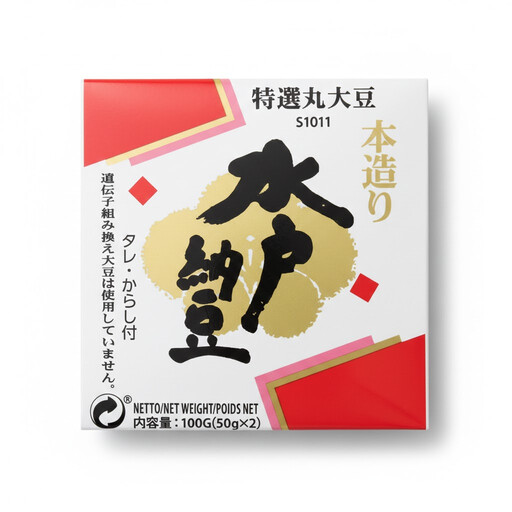
Why it's a great fit: Perfect for anyone looking to buy and try natto for the first time. The small portions and included sauce and mustard make preparation straightforward, offering an authentic flavour experience typical of a Japanese breakfast.
This product avoids the "authenticity" trap by offering a genuine natto experience. The clear instructions and included seasoning kit also prevent incorrect use.
All-in-one package for immediate consumption after thawing. The separate packets for sauce and mustard allow for customised seasoning.

Why it's a great fit: Wang Zhi He is a heritage brand whose fermented tofu is a staple in many Chinese households. It's suitable as a salty accompaniment to congee and steamed buns or as a seasoning base for braised dishes like red-cooked pork belly.
The brand's long heritage, dating back to 1669, stands for consistent, authentic quality. The product description provides clear use cases, preventing it from being used incorrectly.
Versatile enough to be used as a direct condiment or a cooking ingredient. The recipe is based on traditional production methods.
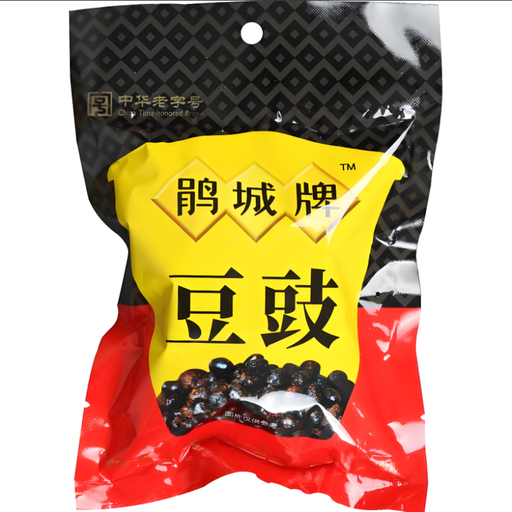
Why it's a great fit: These fermented black beans (douchi) are an indispensable base ingredient for countless Sichuan dishes, such as Mapo Tofu or steamed spare ribs. They provide the fundamental salty-savoury flavour that defines these dishes.
The product consists only of soybeans, salt, and water. It is not a finished sauce but a pure ingredient. This gives the cook full control over the flavour profile and bypasses the trap of over-seasoned ready-made sauces.
Concentrated, pure umami flavour. The whole beans can be chopped or used whole as needed, offering maximum flexibility in cooking.
We have compiled a complete, up-to-date list of products that meet these strict selection criteria.
1. How do I properly store fermented soy products after opening? Most products, especially pastes and tofu in brine, should be stored in an airtight container in the refrigerator after opening. For fermented tofu, ensure the cubes remain fully submerged in the brine. For pastes, it's advisable to always use a clean spoon to prevent contamination. Frozen products like natto must also be refrigerated after thawing and consumed within a few days.
2. What is the difference between Japanese miso and Korean doenjang? Both are Asian seasoning pastes made from fermented soybeans, but they differ in production and taste. Japanese miso is often fermented with the addition of rice or barley, which tends to give it a smoother and sometimes sweeter profile. Korean doenjang is traditionally made only from soybeans and brine. This results in a stronger, saltier, and more earthy flavour.
3. Are fermented black beans (douchi) the same as black bean sauce? No. Fermented black beans (douchi) are whole, salted, and fermented soybeans that serve as a concentrated seasoning ingredient. Black bean sauce, on the other hand, is a ready-to-use condiment that contains douchi as one of its components but is also enriched with ingredients like garlic, ginger, oil, and often sugar or other spices. Buying the whole beans allows for more precise control over the final taste of the dish.