
Lieferung heute & morgen

Qualitätsgarantie

Willkommens-Angebote freischalten: KOSTENLOSE Lieferung | Bis zu 80 % RABATT | Kostenlose 30-Tage-JoyPlus-Testphase
App herunterladen
Anyone wanting to prepare authentic Chinese, Korean or Japanese dishes will find fermented soybean paste a versatile seasoning base. It adds a salty, savoury umami note to soups, stir-fries, marinades, dips, and rice and noodle dishes. However, products vary considerably in their ingredients, salt content, consistency and uses.
It is therefore worth checking the label carefully before buying. Chinese soybean paste is not automatically interchangeable with Korean doenjang paste, ssamjang or Japanese miso paste.
Some pastes can be used immediately as a dip or seasoning. Others, such as thick Chinese cooking pastes, should first be fried in oil or diluted with water according to the product instructions. Overlooking this distinction can quickly result in a dish that is too concentrated or unbalanced.
Doenjang is a Korean fermented bean paste with a robust, earthy flavour, and is often used in soups, stews and marinades. Ssamjang also contains ingredients such as chilli, garlic or sugar, and is intended as a Korean dipping sauce for lettuce wraps and grilled dishes. Shiro miso, on the other hand, is a milder, often slightly sweet Japanese miso paste made from soybeans and rice.
Fermented black beans, known as douchi, also belong to a different product category. They are generally used as whole or chopped beans in Chinese stir-fries, fish dishes and braises.
Fermented pastes are often high in salt and should therefore be used in small quantities. The stated values for available products, for example, range from 7 g to 15 g of salt per 100 g. They may also contain wheat, sugar, sweeteners, flavour enhancers or preservatives. For a suitable choice, the ingredient list, allergens and nutritional information are therefore more important than general terms such as “traditional” or “authentic”.
For Chinese noodle dishes such as zhajiangmian or robust stir-fries, a classic Chinese soybean paste with a salty, concentrated umami flavour is a good choice. Doenjang is usually more suitable for Korean soups and stews. Ssamjang already brings seasoning, sweetness and gentle heat, and can be served straight away with grilled meat or vegetables.
Miso paste is suitable for miso soup, dressings and glazes, among other dishes. White varieties such as shiro miso are often milder than many Chinese and Korean pastes.
Look for indications such as “ready to eat”, “suitable as a dip” or “fry before use”. A dry, very thick consistency is practical for concentrated cooking bases, but not necessarily for a quick vegetable dip. More fluid or pre-seasoned varieties can be used straight away.
Many products contain soybeans and wheat. If you follow a gluten-free diet, pay particular attention to the declaration of wheat or gluten-containing cereals. Most products need to be stored in the refrigerator after opening. Depending on the product, unopened goods can be kept at room temperature in a cool, dry place.
For households that use the product regularly, a larger jar may offer better value. If you would first like to try a particular flavour profile, 150 to 300 g is often a more practical choice.
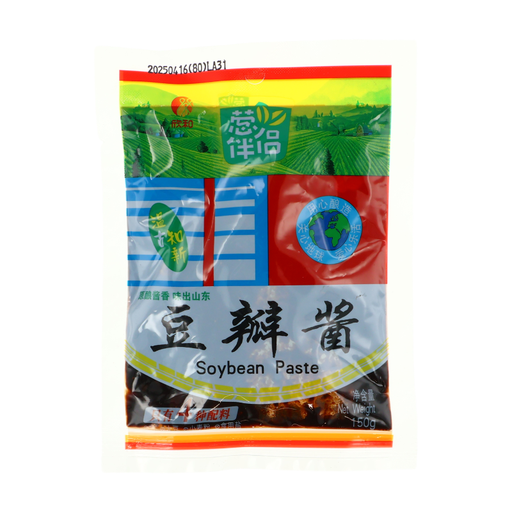
Why this product suits the profile: The 150 g pack is a good way to try a classic Chinese seasoning paste without buying a large jar straight away. It can be used as a dip or for cooking.
The product information lists the ingredients, allergens and a salt content of 10.3 g per 100 g. This makes it easier to judge the required quantity before buying.
A compact quantity, a straightforward ingredient list featuring soybeans, wheat flour, water and salt, plus versatile use in stir-fries and sauces.
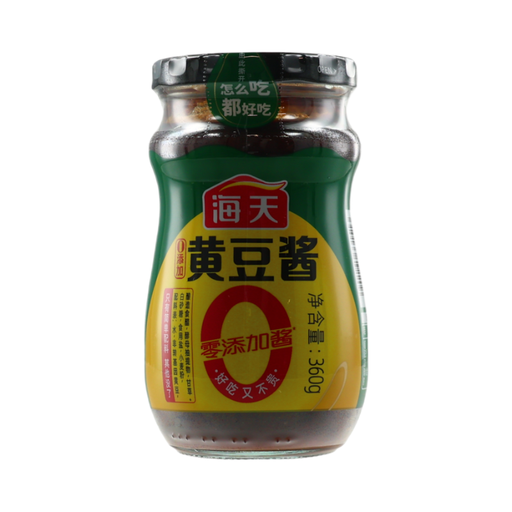
Why this product suits the profile: According to the product description, the recipe consists of water, soybeans, wheat and salt. This will appeal to buyers who prefer a short ingredient list.
The stated recipe does not list any preservatives, colourings or flavour enhancers. However, allergens such as soya and wheat still need to be taken into account.
A 360 g jar with a short recipe, suitable as a dip, dressing or base for zhajiangmian, braised dishes and hot-pot sauces.
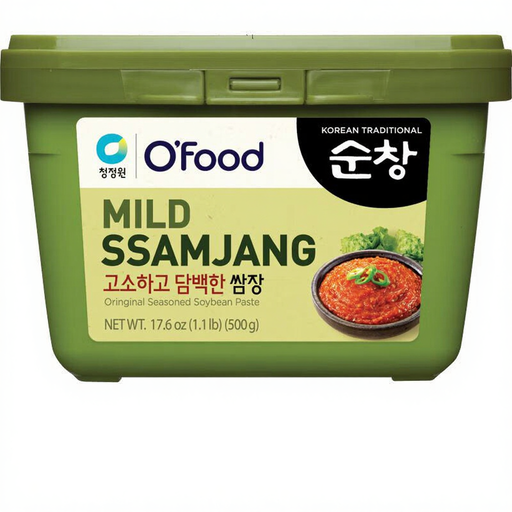
Why this product suits the profile: Ssamjang is already blended with red pepper seasoning, garlic and onion, making it particularly suitable for Korean barbecue dishes, lettuce wraps and quick dips.
The term “mild” indicates a gentler level of seasoning. Wheat, soya and peanuts are also listed as allergens, allowing you to plan its use more realistically.
A 500 g pack that can be used straight away as a dip and, according to the product information, is also suitable for marinades and lettuce wraps with grilled meat.
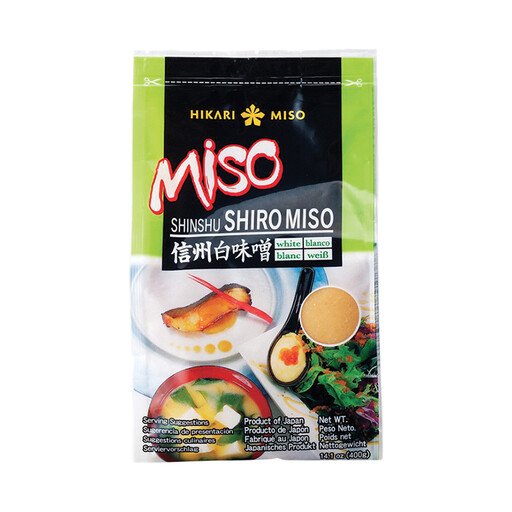
Why this product suits the profile: Shiro miso made from fermented soybeans and rice offers a light, mild flavour profile for miso soups, dressings, marinades and glazes.
The product is clearly identified as white shiro miso. This makes it easier to distinguish from darker, more robust doenjang or Chinese pastes.
A 400 g pack, described as suitable for vegetarian and vegan diets, with a short ingredient base of water, soybeans, rice, salt and alcohol.
We have put together a complete, regularly updated list of products that fully meet these strict selection criteria and the safety regulations applicable in the EU.
For a Chinese seasoning paste, a small teaspoon stirred into oil, stock or water is often enough. This helps distribute the intense flavour more evenly. If using an Asian seasoning sauce that already contains sugar or a sweetener, reduce the additional salt and sugar added to the recipe accordingly.
Opened jars should generally be kept in the refrigerator, with clean utensils used each time and the jar sealed properly afterwards. The specific best-before date and storage instructions on the packaging are the ones that matter. According to some product information, visible white crystals can occur naturally in fermented products. If you are unsure about the smell, colour or condition of the packaging, do not use the product.
Depending on the variety, it can be served straight away as a dip, diluted with water or stock, or fried in oil. It works well with vegetables, noodles, rice, soups, marinades and braised dishes. Start with a small amount and adjust the seasoning afterwards.
Doenjang is a robust Korean soybean paste for soups, stews and marinades. Ssamjang is a pre-seasoned Korean paste, typically with gentle heat, and is suitable as a dip. Miso paste is often fermented with rice in Japan and ranges from mild and slightly sweet to strongly salty. The product should therefore be chosen according to the recipe and the desired intensity of seasoning.
There is no single shelf life that applies to every variety. The best-before date, manufacturer’s instructions and storage conditions after opening are the key factors. The product descriptions for many pastes recommend refrigeration at around 0 to 4°C. Always use clean utensils and check the product before eating.