
Lieferung heute & morgen

Qualitätsgarantie

Willkommens-Angebote freischalten: KOSTENLOSE Lieferung | Bis zu 80 % RABATT | Kostenlose 30-Tage-JoyPlus-Testphase
App herunterladen
An essential shopping guide from the Joybuy Product Recommendation Officer
Fermented tofu is a concentrated seasoning made from fermented soybeans. Depending on the variety, its flavour can range from mildly salty and creamy to spicy, alcoholic or intensely pronounced. In Germany, it is often served as a side dish with rice and rice porridge, but it can also add a savoury depth to sauces, marinades and braised dishes.
At first glance, choosing fermented tofu seems straightforward: open the jar, remove a cube and serve. However, common purchasing pitfalls include confusing product names, highly variable salt levels and packaging that does not suit the intended use.
Depending on the recipe, Chinese fermented tofu is fermented with salt, alcohol, spices, chilli, sugar or red rice. A white variety can taste relatively subtle, while stinky tofu has a far more pronounced aroma. Rose tofu combines the savoury base with a floral note.
If you have only tried mild tofu so far, do not search solely for the term “fermented”. The specific variety and intended use are much more important.
Fermented tofu is usually not eaten in large quantities like plain tofu, but used in small portions as a seasoning or side dish. A 340 g jar can be enough for many individual meals. Single portions such as 20 g × 9 or 18 g × 9 are practical for occasional consumption, but create more packaging waste.
Before buying, consider how you intend to use the product: will it be a regular cooking ingredient, or will it only occasionally be served with rice, bread or porridge?
Fermented soy products can provide a meaningful amount of protein, while also containing considerable levels of salt. Wang Zhi He Traditional Bean Curd lists 10 g of protein and 8.75 g of salt per 100 g. Liu Bi Ju Fermented Bean Curd contains 10.2 g of protein and 9.0 g of salt per 100 g. For portion planning, these figures are more relevant than broad claims about “traditional quality”.
Anyone with a soy or wheat allergy must check the full ingredients list. Many recipes contain soybeans and wheat flour; some products also contain sesame, mustard or alcohol-based ingredients.
Do not check the ingredients list only for soybeans. Depending on the product, it may also contain wheat flour, alcohol, chilli, sesame, sweeteners, flavour enhancers or firming agents. Hai Hui Si Fermented Tofu with Sweetener Spicy lists soybeans, chilli, sesame, E621, E511 and E955 among its ingredients. This variety is individually packaged in 20 g portions.
If you prefer to avoid sweeteners, look specifically for recipes without the relevant additives. For a vegan diet, the complete ingredients list must also be checked, as the term “plant-based protein” alone does not provide a complete product assessment.
Depending on the product, unopened items should be stored in a cool, dry place protected from direct sunlight. Several products require refrigeration after opening. Wangzhihe Stinky Tofu, for example, specifies storage at 0–4 °C after opening. Natto follows a different storage concept: JFC Marudaizu Natto is stored frozen at below −18 °C and must not be refrozen after thawing.
For regular family use, 240 or 340 g jars are often the more practical choice. Single portions may be better suited to lunchboxes, single-person households or a first tasting.
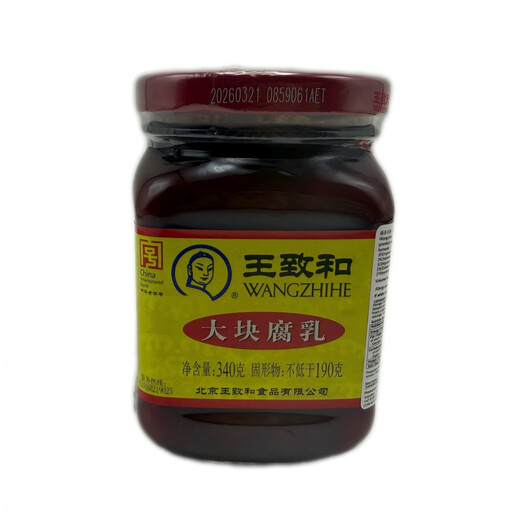
Why it fits: The 340 g pack is well suited to households that want to enjoy fermented tofu with rice or rice porridge, or use it in cooking.
The product information clearly states the ingredients, allergens, nutritional values, net weight and storage instructions, making it easier to assess the product objectively before buying.
340 g contents; 10 g of protein and 8.75 g of salt per 100 g according to the product information; refrigerate after opening.
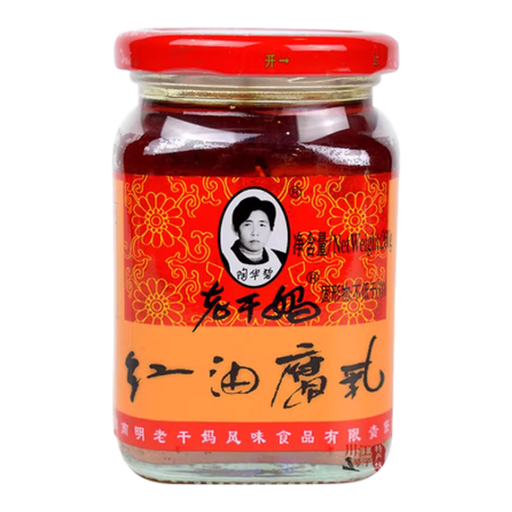
Why it fits: The recipe combines chilli, oil and spices for a robust flavour and can be used in small quantities as a dip or cooking ingredient.
The ingredients list makes it clear that the product contains chilli and oil. Anyone looking for a mild side dish can therefore rule out this variety in advance.
260 g contents; ingredients include soybeans, soybean oil, chilli, alcohol and spices; seal and refrigerate after opening.
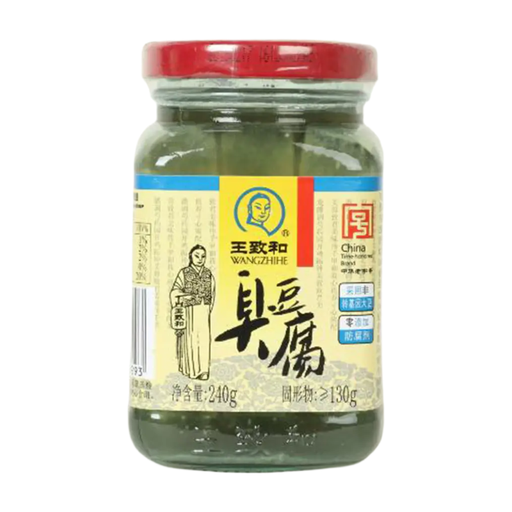
Why it fits: Stinky tofu is aimed at those specifically seeking the distinctive aroma of Chinese specialities and wanting to serve it with noodles, rice or as a side dish.
The name signals the product’s intense character, so it is not accidentally purchased as a neutral tofu substitute.
240 g contents; 12.8 g of protein and 2,980 mg of sodium per 100 g according to the product information; store at 0–4 °C after opening.
If you prefer a milder, more floral flavour, consider Wang Zhi He Rose Bean Curd 340 g. For stocking up on cooking ingredients, the Liu Bi Ju Fermented Bean Curd 340 g pack is also worth considering. According to the product information, both products contain soybeans and wheat.
The category features a continuously updated selection of fermented soy products, seasoning pastes and plant-based protein products for a wide range of culinary uses.
Natto consists of fermented soybeans and has a distinctly stringy texture. JFC Marudaizu Natto 100 g is sold frozen and served with sauce and mustard. It is therefore not directly comparable to creamy fermented tofu.
Doubanjiang is a fermented bean paste commonly used for stir-frying, marinating or as a dip. Shinho Liu Yue Xiang Doubanjiang is available in an 800 g pack and, according to the product information, contains 21.25 g of salt per 100 g. With Chinese seasoning sauces of this kind, a small amount is usually sufficient.
Anyone planning their protein intake in a targeted way can combine fermented soy products with other foods. According to the product information, vegan protein powder such as Nutri+ 3K Protein Powder Vegan provides 23 g of protein per 30 g serving. It is a food supplement, not a substitute for a varied diet.
A cube can be served directly with rice porridge, rice, noodles, steamed buns or bread. For sauces and marinades, it is usually mashed and combined with liquid, oil or additional spices. Because it often contains a high level of salt, start with a small amount.
This depends on the individual product label. After opening, the jar should be tightly sealed and refrigerated. Use clean utensils, check the best-before date and follow the manufacturer’s storage instructions. If you notice an unusual odour, mould outside the product’s intended fermentation characteristics or damaged packaging, do not consume the product.
The products listed are primarily made from soybeans, but the specific ingredients list must always be checked. Alcohol-based ingredients, flavourings or other components may be relevant depending on your dietary requirements. Anyone with allergies to soy, wheat, sesame or mustard should pay particular attention to the allergen information.