Spontaneous park photographers
You want to take close-up shots of accessible fern fronds while out walking, without changing lenses. OM SYSTEM describes the Tough TG-7 as a compact camera with close-up modes.


For spontaneous close-ups without changing lenses, a compact camera that can focus at close range is the simpler option. For carefully composed detail shots, consider a system camera with a genuinely suitable macro lens. What matters is the framing you want, the magnification ratio of the specific lens and the cost of the complete setup – not just the word ‘macro’. In windy conditions, image stabilisation can compensate for camera movement, but not for a moving fern frond.
You want to take close-up shots of accessible fern fronds while out walking, without changing lenses. OM SYSTEM describes the Tough TG-7 as a compact camera with close-up modes.
You want to capture fine textures at a large scale and include a compatible macro lens in your choice. OM SYSTEM gives the M.Zuiko Digital ED 60mm F2.8 Macro a magnification ratio of 1:1.
You’re looking for compositions that show the whole frond and its background, rather than extreme magnification alone. OM SYSTEM recommends choosing your shooting angle and background carefully.
| Your priority | What to check before buying | Who is this important to? |
|---|---|---|
| Magnifying fine textures | The magnification ratio of the specific lens or the close-up capability of the built-in lens; consider the focusing distance and shooting position separately. | If I want to show the leaflets large in the frame, I look at the magnification of a suitable lens. Around 33% of consumers prioritise detail magnification. |
| Framing the whole frond | Focal-length range or angle of view, and the options for shaping the background by changing the shooting angle. | If the shape and surroundings of the whole frond matter to me, I want to be able to choose the framing flexibly. Around 27% of consumers prioritise showing the entire frond together with its background. |
| Sharpness in wind or low light | Options for adjusting the aperture and shutter speed, as well as any image stabilisation; for moving fronds, also consider using a sufficiently fast shutter speed. | In windy or low-light conditions, I want to be able to control sharpness without relying on stabilisation alone. Around 20% of consumers prioritise sharpness in changing shooting conditions. |
| Portability and total kit cost | Check what’s included, compatibility and the cost of the camera body plus the lens you actually need, rather than just the camera kit. | If I want to take my camera along on a walk in the park, a manageable overall setup matters to me. Around 20% of consumers prioritise easy carrying and the cost of the complete kit. |
Close focusing and magnification ratio are not the same thing. OM SYSTEM gives the Tough TG-7 a close-focusing distance of up to 1 cm, while the M.Zuiko Digital ED 60mm F2.8 Macro is specified at 1:1.
For the detail you want to photograph, check the magnification ratio of the specific lens and consider the focusing distance separately.
A system camera kit isn’t automatically a macro setup. The RF-S 18–45mm supplied with the Canon EOS R50 kit is a zoom lens, not a dedicated macro lens.
Compare complete, compatible camera-and-lens combinations with a compact or bridge camera.
An additional macro lens adds to the effort and cost of the complete setup.
Stabilisation can counteract camera movement, but it won’t keep a fern frond still when it’s blowing in the wind. Canon Academy explains the trade-off between depth of field, light and shutter speed in close-up photography.
When photographing moving fronds, consider the light and shutter speed too; don’t rely on stabilisation alone.
The Tough TG-7 is a compact camera for spontaneous close-ups. For carefully composed detail shots, you can build a system around the OM-5 Mark II and a suitable macro lens.
The EOS R50 is a system camera body that can be paired with a standard zoom or a suitable RF macro lens, depending on your subject.
The RX10 IV is a bridge camera for photographing subjects at different distances in the park, without needing to change lenses.
The NIKKOR Z MC 105 mm 1:2,8 VR S is a lens option for a compatible Nikon Z system and carefully composed macro shots.
These Joybuy products offer camera options for taking photos on the go and using different compositions. Before buying, check whether each camera is suitable for the close-up shots you want to take.
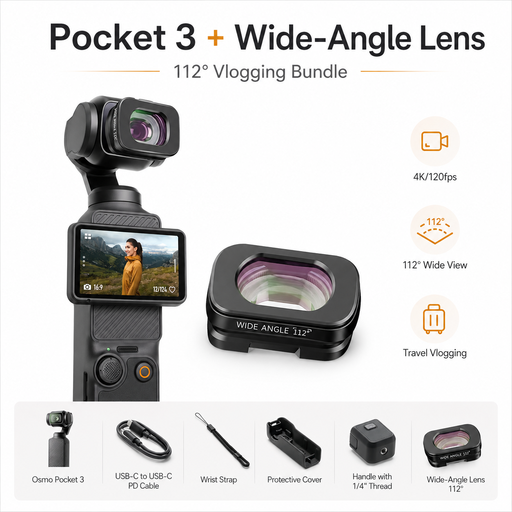 No image available
The product description says this bundle is designed for landscape and outdoor photography; the wide-angle lens may be useful if you want to fit more into the frame.
Specifications listed in the product name: 1-inch CMOS, 4K/120 fps and 3-axis gimbal.
Check whether the close-focusing capability is sufficient to capture fine fern textures.
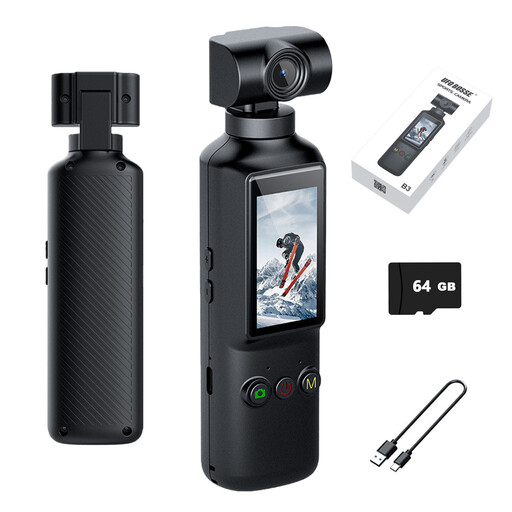 No image available
The product name describes this compact camera as suitable for travel and outdoor activities; for fern photography, check whether its close-focusing capability suits your subject.
Specifications listed in the product name: 270° rotating lens, 5.1-cm HD display, Wi-Fi, 1,000-mAh battery and USB-C port.
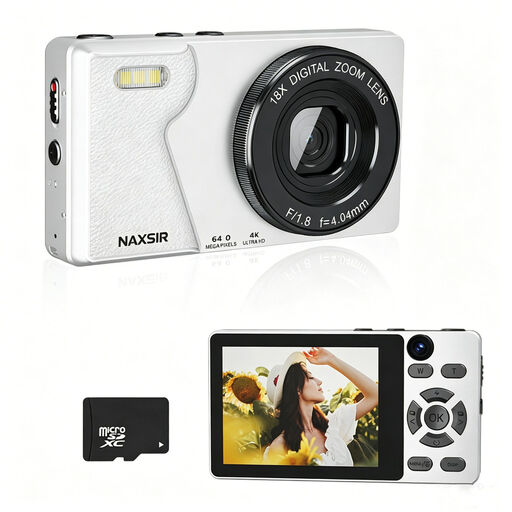 No image available
This camera is described as a compact vlogging camera for beginners; for close-ups of ferns, check that it can focus at the distance you need.
Specifications listed in the product name: autofocus and 18x digital zoom.
 No image available
The supplied zoom lens offers different framing options; check whether it’s suitable for the close-up range you want or whether you’ll need another compatible lens.
Specifications listed in the product name: APS-C camera and 16–50 mm power zoom lens.
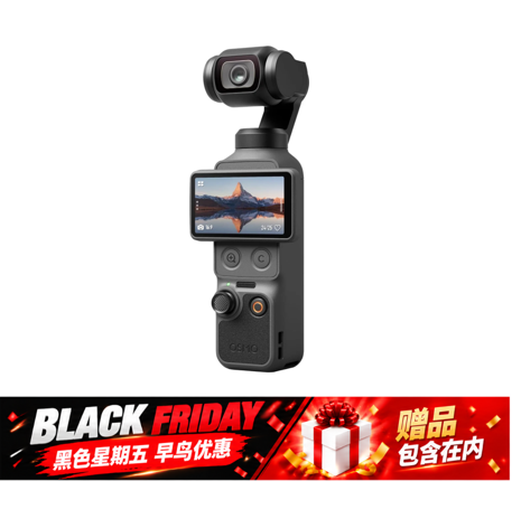 No image available
The product name describes this camera as suitable for vlogging and photography; before choosing it, check whether its close-focusing capability is right for the fern textures you want to capture.
Specifications listed in the product name: 1-inch CMOS, 2x lossless zoom, 3-axis stabilisation and 107 GB built-in storage.
The kit may suit whole fronds and limited close-ups; for much larger details, consider a compatible macro lens. Canon gives the RF-S 18–45mm a maximum magnification of 0.16x with autofocus or 0.26x with manual focus.
A tripod can reduce camera shake, but it won’t keep the frond still. Canon Academy explains the trade-off between depth of field, light and shutter speed in close-up photography; you should also take the subject’s movement into account and follow the rules for setting up in the park you’re visiting.
Keep out of flower beds and treat plants with care. The German Federal Ministry for the Environment explains that the limited rule allowing people to pick small bunches of certain wild plants, including ferns, does not apply to specially protected species. This doesn’t mean you can enter park flower beds or take plants freely; specific rules vary from park to park.
That depends on the specific park and the type of photography. Check the local rules and contact the relevant authority for more elaborate or commercial shoots; Berlin’s park rules don’t automatically apply across Germany.
Compare what’s included with the subjects you want to photograph, as targeted macro photography may require a suitable lens in addition to the camera kit. The Verbraucherzentrale notes that your statutory rights against the seller are not the same as a voluntary guarantee, and that online purchases generally come with a 14-day right to cancel.