
Lieferung heute & morgen

Qualitätsgarantie

Willkommens-Angebote freischalten: KOSTENLOSE Lieferung | Bis zu 80 % RABATT | Kostenlose 30-Tage-JoyPlus-Testphase
App herunterladen
When it comes to monitoring your family's health, a reliable fever thermometer is essential. But the market is saturated with models touting numerous features, which complicates the selection process. Many devices overpromise and underdeliver, leading to inaccurate measurements or impractical handling. This guide will help you identify the important features and avoid common purchasing mistakes.
Before you make a decision, you should be aware of the three most common problems that affect many off-the-shelf fever thermometers:
To find the right device, focus on the following three core aspects. These are the primary determinants of a fever thermometer's reliability and practicality.
The choice of technology depends heavily on the intended use, especially if you are looking for a fever thermometer for babies or children.
A good thermometer delivers not only precise but also consistent results. Look for models that minimise user error. Features like a positioning aid (often a light or sound signal) confirm that the device is being held correctly. For contactless models, a distance sensor is helpful to ensure the optimal measurement distance from the forehead.
Truly useful extra features simplify daily life rather than complicate it.
Here are some recommendations tailored to different needs and households.
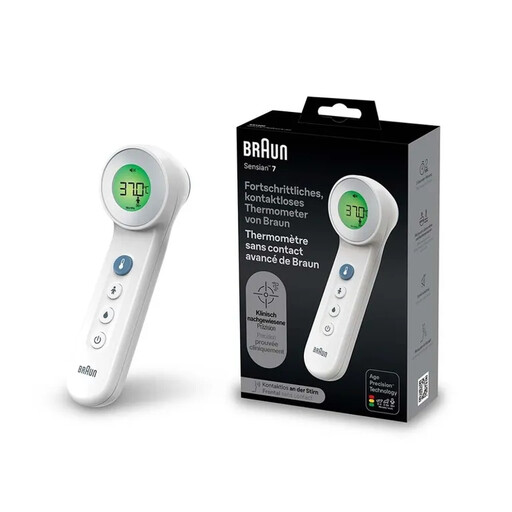
Why It's a Match: Ideal for parents of infants and young children. The Age Precision technology interprets the temperature based on age, and the silent mode allows for measurements without waking the child. The additional function for measuring liquids (milk, bathwater) is a practical bonus.
The PositionCheck technology with a light and sensor helps minimise user error and ensures accurate measurements. The contactless option maximises hygiene.
Age Precision technology with a colour-coded display and 3-in-1 functionality (body, food, liquids).
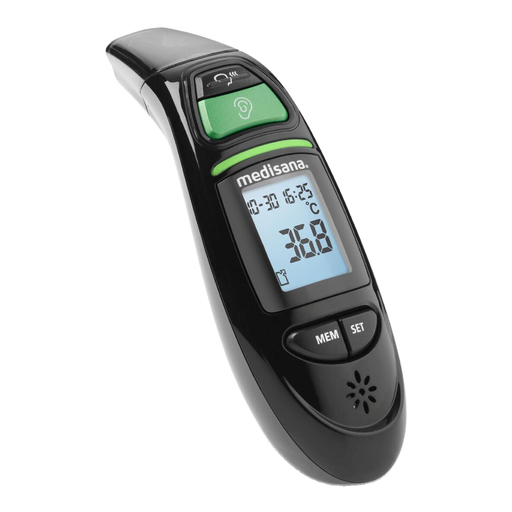
Why It's a Match: This device is a versatile all-rounder. It combines forehead and ear measurement with the ability to measure the temperature of surfaces, liquids, and the ambient environment. One device for almost any conceivable situation in family life.
It bundles multiple functions into one device, eliminating the need to buy different thermometers for different purposes. The visual fever alarm provides clear and quick guidance.
6-in-1 functionality (forehead, ear, surface, liquid, room) and a visual fever alarm with a colour-changing display.
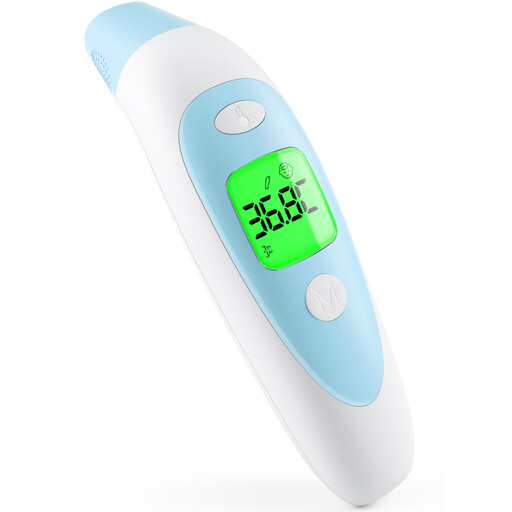
Why It's a Match: For anyone looking for a straightforward, fast, and reliable device for general household use. It covers the most important measurement methods (forehead, ear, object) and focuses on essential functions without unnecessary bells and whistles.
This model avoids complex extra features and offers very simple operation. The measurement is taken in under a second, putting the focus on fast and clear results.
3-in-1 measurement (forehead, ear, object), fever alarm with a colour-coded backlight, and a memory capacity for 32 readings.
We've compiled a complete, up-to-date list of products that fully meet these strict selection criteria and local safety regulations.
Cleaning is simple and crucial for hygiene. After each use, gently wipe the sensor tip and casing with a soft cloth or cotton swab moistened with medical-grade alcohol (70% isopropyl). Let it dry completely before using it again. Never submerge the device in water.
Varying readings from a forehead thermometer can have several causes. It's often due to the wrong distance from the skin, sweat on the forehead, or a rapid change in the ambient temperature. Always take the measurement at the same spot and ensure the forehead is dry. Adhere strictly to the manufacturer's instructions regarding the measurement distance.
Yes, most modern infrared thermometers are suitable for all ages. However, models with age-based fever interpretation (like Age Precision technology) are particularly recommended for babies and children, as the definition of a fever varies with age. A contactless forehead thermometer with a silent mode is often the most comfortable choice for infants.