
Lieferung heute & morgen

Qualitätsgarantie

Willkommens-Angebote freischalten: KOSTENLOSE Lieferung | Bis zu 80 % RABATT | Kostenlose 30-Tage-JoyPlus-Testphase
App herunterladen
A fever thermometer is a useful addition to many home medicine cabinets. Whether you’re caring for a baby, child, adult or someone who needs support, a quick reading isn’t the only thing that matters. You’ll also want a suitable measuring method, a clear display and easy-to-follow cleaning instructions. The thermometer should be simple to use and safe to pack away when you’re travelling, too.
However, some marketing claims can lead to poor buying decisions. The points below will help you compare digital fever thermometers objectively.
A fast thermometer that takes a reading in one second can be convenient. But speed is no substitute for correct use. With infrared devices, the distance and angle, sweat on the forehead or a cold environment can all affect the result. Always follow the instructions and the specified measuring conditions.
An audible or visual fever alarm can help you spot a high reading quickly. However, the thresholds vary by model. A red display isn’t a medical diagnosis. If symptoms persist, readings seem unusual or you’re unsure what to do, seek medical advice.
A contactless thermometer reduces direct skin contact. The sensor, measuring aperture and casing still need to be kept clean as instructed. Infrared devices also need batteries, and should be protected from extreme temperature changes, moisture and direct sunlight.
A classic digital fever thermometer with a flexible tip can measure temperature orally, under the arm or rectally, depending on the model. These thermometers often display readings in 0.1 °C increments and are a good choice if you prefer a familiar measuring method. Babies and young children should only be measured under adult supervision.
A forehead thermometer or ear thermometer usually uses infrared technology. This allows for a quick reading with little or no skin contact. Ear thermometers need to be positioned correctly and aren’t suitable for every situation. If you’re considering an infrared thermometer, check whether it measures body temperature only, or can also measure the temperature of objects, rooms, liquids and surfaces.
Look for an easy-to-read LCD or LED display. A backlight is useful for taking readings at night. A signal that can be switched off, or silent operation, can be helpful if you don’t want to wake a sleeping child.
Depending on the device, a memory function saves the last reading or several readings. This makes it easier to track changes over time, but it doesn’t replace a fever log that records the date, time and measuring method. It’s also worth checking whether you can switch between Celsius and Fahrenheit.
For contact thermometers, clean the tip after each use as instructed by the manufacturer, and disinfect it if necessary. For infrared models, wiping the sensor and casing is usually recommended. ‘Waterproof’ often refers only to the measuring tip, not the whole device.
Also check:
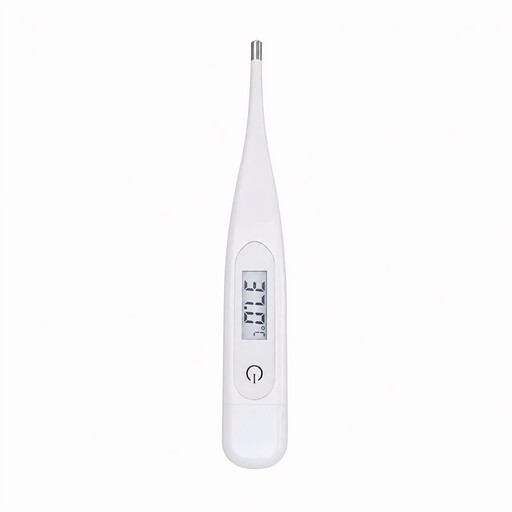
Why it suits this profile: This pen-shaped digital fever thermometer is designed for basic body temperature readings. Its compact size makes it easy to store at home or take with you when you’re out and about.
The measuring range of 32.0 to 42.9 °C, display in 0.1 °C increments and audible signal are all clearly specified.
Mercury-free casing, °C/°F conversion and a compact design.

Why it suits this profile: This thermometer offers both contactless and touch forehead readings, with an age-based guide for babies, children and adults.
PositionCheck, with its aiming guide and distance sensor, helps you position the thermometer consistently.
Two-second readings, silent mode and a colour display with age-based guidance.
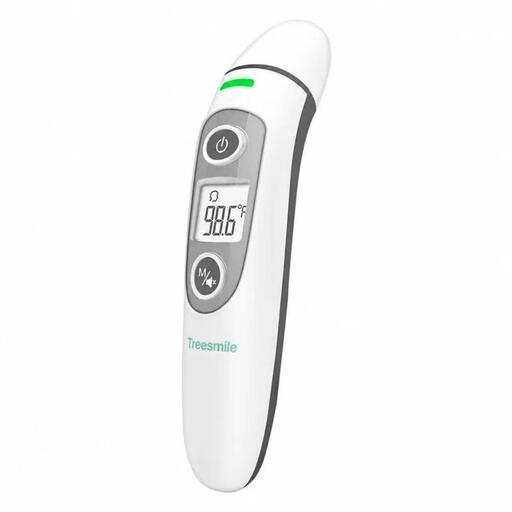
Why it suits this profile: This 3-in-1 device is designed for families who want to measure forehead, ear and object temperatures with a single thermometer.
The measuring modes, 35 memory slots, mute function and automatic shut-off are all clearly specified.
Readings in around one second, an object mode for liquids and surfaces, and a three-colour backlight.
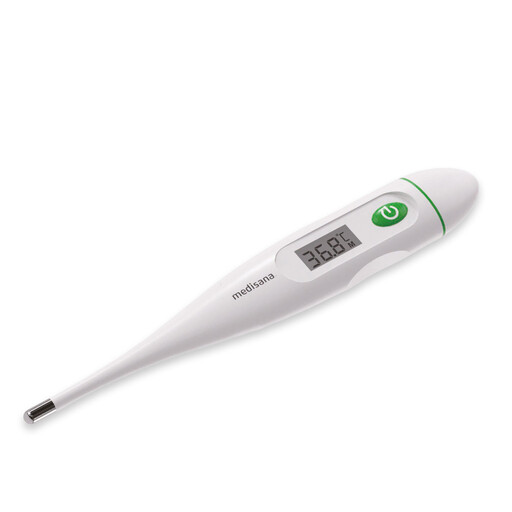
Why it suits this profile: Its flexible tip and three measuring methods make it a good choice for households looking for a straightforward medical thermometer for the whole family.
The approximate 20-second measuring time, water-resistant measuring area and cleaning instructions are described clearly.
Oral, underarm and rectal readings, memory for the last reading and an audible fever alarm.
We’ve put together a complete, regularly updated list of products that meet these strict selection criteria and fully comply with the safety regulations in force in the EU.
Keep to the distance specified by the manufacturer and take the reading from a dry, clean forehead. After exercise, a bath or time spent outdoors, it may be worth waiting a few minutes at room temperature before taking a reading. If the result seems unusual, you may want to check it using another suitable measuring method.
Its lifespan depends on the batteries, cleaning, storage and how much physical wear it experiences. Replace the batteries when the display starts to fade, and store the thermometer in a dry place in its case or pouch. Don’t continue to use a damaged device.
Other than the purchase price, the only ongoing costs are usually batteries and, where needed, disinfectant. If the device uses a button cell or AAA batteries, check the product description to confirm the right type. Contactless models don’t need disposable probe covers unless the manufacturer specifies otherwise.