Mixing alongside others
If you work right next to other people, closed-back headphones can help limit sound leakage. Still, check how well they fit and whether your usual listening level can be heard at your desk.


beyerdynamic recommends closed-back headphones for recording, making them a more practical starting point at a shared desk if someone is working beside you or you’re using a microphone. For quieter sessions, an open-back model may be an option, as long as sound leakage won’t disturb anyone and your audio output can power that specific model adequately.
If you work right next to other people, closed-back headphones can help limit sound leakage. Still, check how well they fit and whether your usual listening level can be heard at your desk.
If you can listen without disturbing anyone, an open-back model may be worth considering for judging balance and spatial detail. Compare familiar music and dialogue passages rather than relying on a model description alone.
If you switch between mixing and recording, check whether headphone sound is picked up by your microphone. beyerdynamic recommends closed-back headphones for this use.
At a shared desk, first consider sound isolation and microphone use. Then look at sound accuracy, comfort and compatibility with your existing audio output.
| What matters | What to check before buying | Who this matters most to |
|---|---|---|
| Isolation at a shared desk | Check the closed-back design, how the ear pads fit and how much sound leaks at your usual listening level. | If other people work right beside you or you’re using a microphone, you’ll want to limit sound leakage. Around 36% of consumers put consideration for others and isolation first. |
| Judging sound | Compare familiar music and dialogue passages. Don’t judge bass, vocal balance or spatial positioning on the manufacturer’s claims alone. | If you want to assess the balance and space of a film score, you’ll need to cross-check with material you know well. Around 29% of consumers prioritise sound accuracy. |
| Comfort during long sessions | Try the ear cup space, headband pressure and ear pads over a realistic working period. Check that replacement pads are available for the exact version. | For long mixing sessions, your headphones should still fit comfortably after extended wear. Around 21% of consumers prioritise long-term comfort. |
| Connection and maintenance | Check the plug and cable routing. If the headphones have a higher impedance, check the output power of the specific headphone socket. | If you want to use the headphones with your existing audio output and maintain them over time, the connection and compatible replacement parts matter. Around 14% of consumers put these considerations first. |
Open-back models may be suitable for critical listening, but they provide less isolation than closed-back headphones. At a shared desk, sound leakage could disturb others or be picked up by a microphone while recording.
Choose an open-back model only if sound leakage won’t be a problem in your working environment. Otherwise, start by looking at closed-back models and test how they work with your microphone while recording.
Higher impedance doesn’t prove that headphones are better for judging sound. According to Focusrite, high-impedance headphones generally need more power from the headphone output.
Check the exact model against your audio output before choosing a 250 or 300 Ohm version.
A product description tells you what a manufacturer has designed a model for; it doesn’t prove how its tuning will sound to you or affect your mix.
Listen to familiar film, music and speech passages, and, where possible, check important mixing decisions using a second listening setup.
The DT 770 PRO is a closed-back monitoring option; the DT 990 PRO is open-back and better suited to undisturbed listening sessions.
The ATH-M40x and ATH-M50x are wired, closed-back monitoring headphones.
The K371 is a closed-back option for mixing and editing; the open-back K702 is better suited to quieter working sessions.
The HD 600 is an open-back headphone for critical mix evaluation when sound leakage at your desk isn’t a problem.
Neumann specifically describes the open-back NDH 30 as being for editing, mixing and mastering.
The Joybuy picks below are over-ear headphones. To see whether they’re suitable for precise film mixing, check their sound accuracy and compatibility with your own setup.
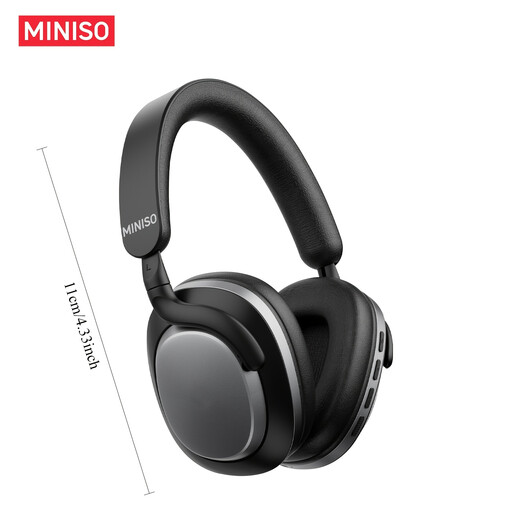 No image available
These wireless over-ear headphones with noise cancelling may suit listening at your desk. Check that they can connect to your audio output in the mode you want to use.
Wireless; noise cancelling; 24-hour battery life.
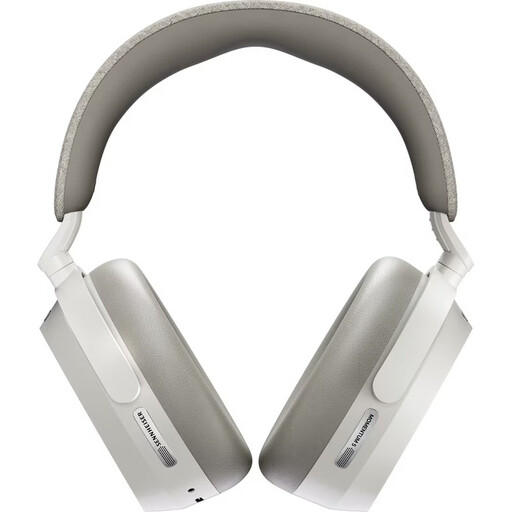 No image available
The closed-back design is relevant for listening at a shared desk. Before using these headphones for mixing, check that their sound tuning and connection suit your setup.
Wireless; closed-back; Bluetooth 5.4; up to 57 hours of battery life with ANC; replaceable battery.
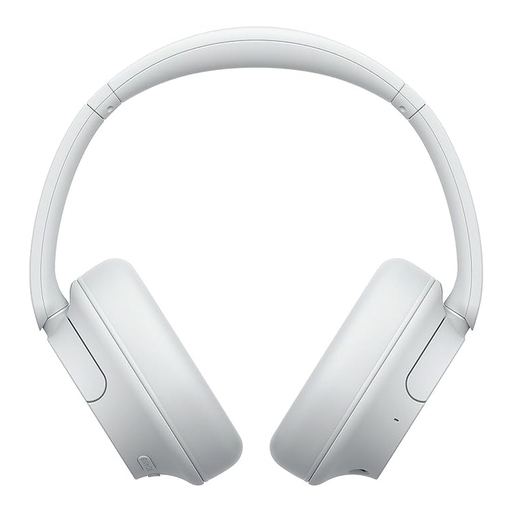 No image available
These are described as wireless over-ear headphones with noise cancelling. If you’re considering them for film mixing, first check how they connect to your setup and assess their sound balance using familiar material.
Wireless; noise cancelling; 192 g; 35-hour battery life; Quick Charge; DSEE; multipoint Bluetooth.
Start with a well-fitting closed-back model and check with a recording to see whether headphone sound gets picked up by your microphone. beyerdynamic recommends closed-back rather than open-back headphones for microphone use; this advice applies specifically to that situation.
Having the right plug doesn’t tell you whether the output provides enough power. Focusrite notes that high-impedance headphones generally need more power from the headphone output. So check the specific interface and headphones together rather than assuming there’s a universal impedance limit.
Try the headband pressure and fit over a realistic working period. beyerdynamic lists replaceable ear pads for the DT 770 PRO; according to AKG’s UK product page, the AKG K702 has replaceable ear pads and a replaceable cable. Replacement parts must be compatible with the exact model version.
Manufacturers’ claims are no substitute for listening with your own material. Try familiar music and dialogue passages, and, where possible, check important mixing decisions using a second listening setup.